Winter Light
,
2023
Patrick Piccinelli
Winter Light
2023
Acrylic, Spray Paint on Canvas
Acrylic, Spray Paint on Canvas
100
100
X
X
80
80
Available
€
2,900
shipping worldwide included
Add to card
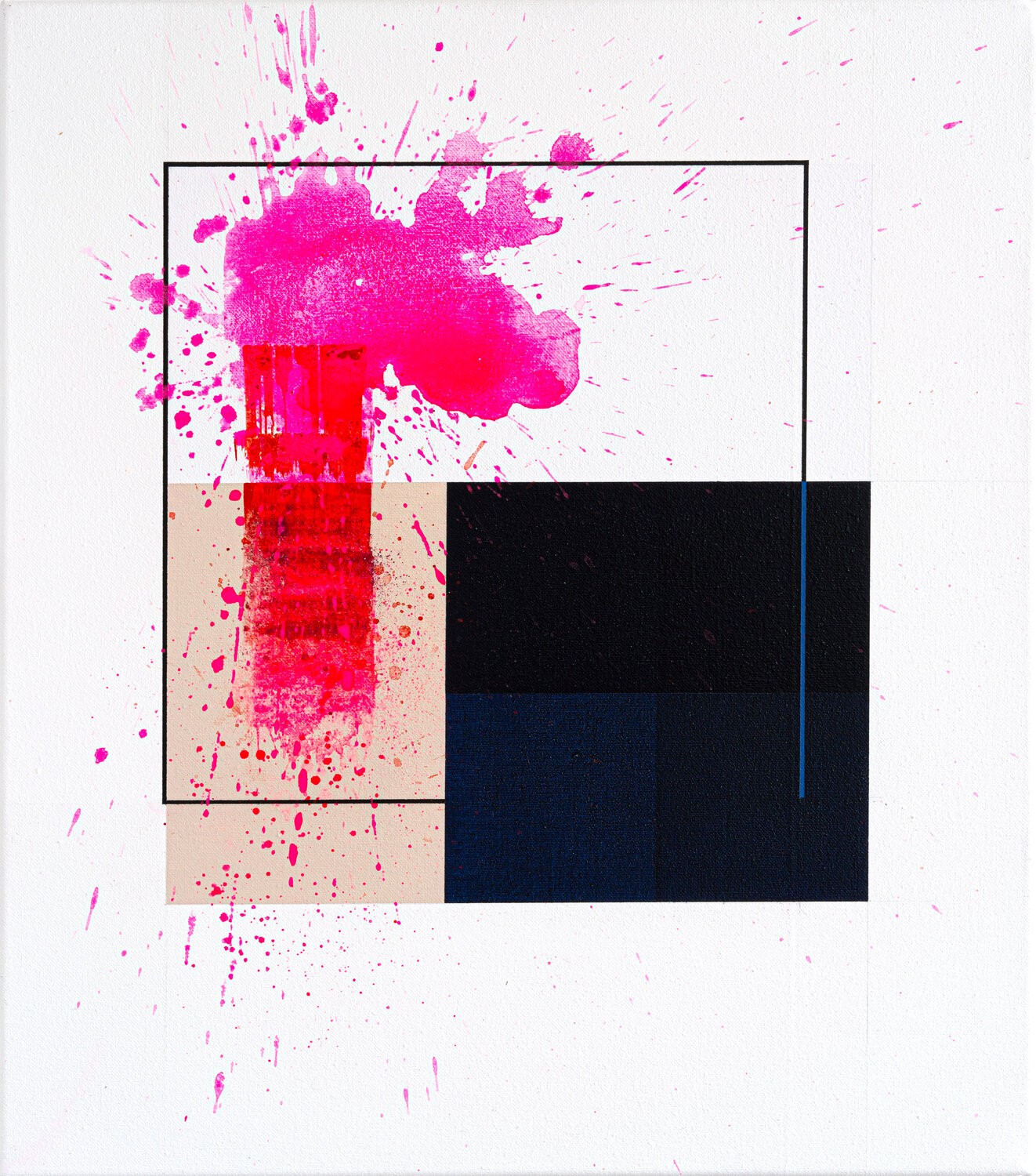
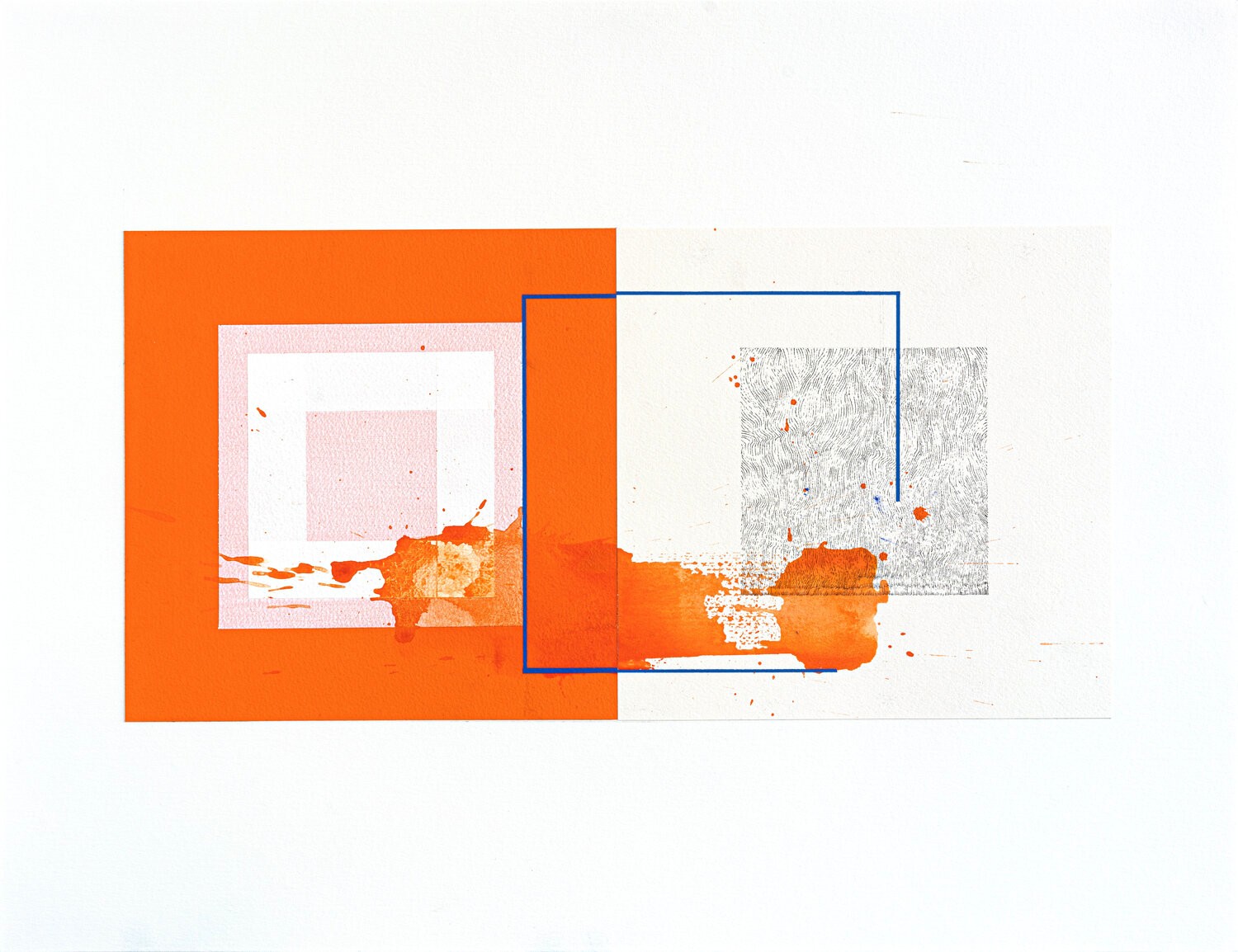
Winter Light (Lumière d'hiver): acrylic paint, oil stick, spray paint, and pigments on canvas.
I am inspired by the distinctive light of the Swiss winter season. I am attuned to the hundreds of shades of gray and blue found in the shifting skies at this time of year. Sunlight—often low on the horizon during the cold season—transforms the landscape of snow-covered fields.
This light is often filtered through clouds and mist, creating sublime, minimalist compositions by softening or obscuring certain landscape details.
This specific emotional response to the landscape is echoed in the print Tea House at Koishikawa: Morning After a Snowfall by the Japanese artist Katsushika Hokusai.
The palette consists exclusively of blues, ranging from the most vivid (cobalt, electric blue) to the darkest (an almost inky black). The deep blue on the left evokes the twilight of short days and the dense shadow cast by a low sun. The blue of the layered strokes captures the unique quality of winter light: at once intense and cold, possessing an almost stark clarity.
Texture plays a key role: horizontal scraping marks on the right side recall frost on a windowpane or striated ice. Splatters in the center evoke water—whether rain, melting snow, or frozen droplets. The irregular impasto of vivid blue suggests the movement of the wind or the intensity of a winter downpour.
The two rectangular blocks—one dark and dense, the other airier and grayish—seem to embody a fundamental tension of winter: darkness versus light, opacity versus transparency. Yet neither prevails; they coexist, separated by the very white light that defines "Winter Light"—that fragile, low-angle light that pierces through without ever truly warming.