Aletsch Glacier
,
2024
Patrick Piccinelli
Aletsch Glacier
2024
Acrylic, India Ink on Canvas
Acrylic, India Ink on Canvas
80
80
X
X
80
80
Available
€
2,900
shipping worldwide included
Add to card
The Aletsch Glacier is located in the Swiss Alps. You can enter the glacier through a gallery; I was a child when I saw it but my visual memory recorded this light filtered by the ice and all these sublime shades of blue!
The geometric structure as glacial cartography:
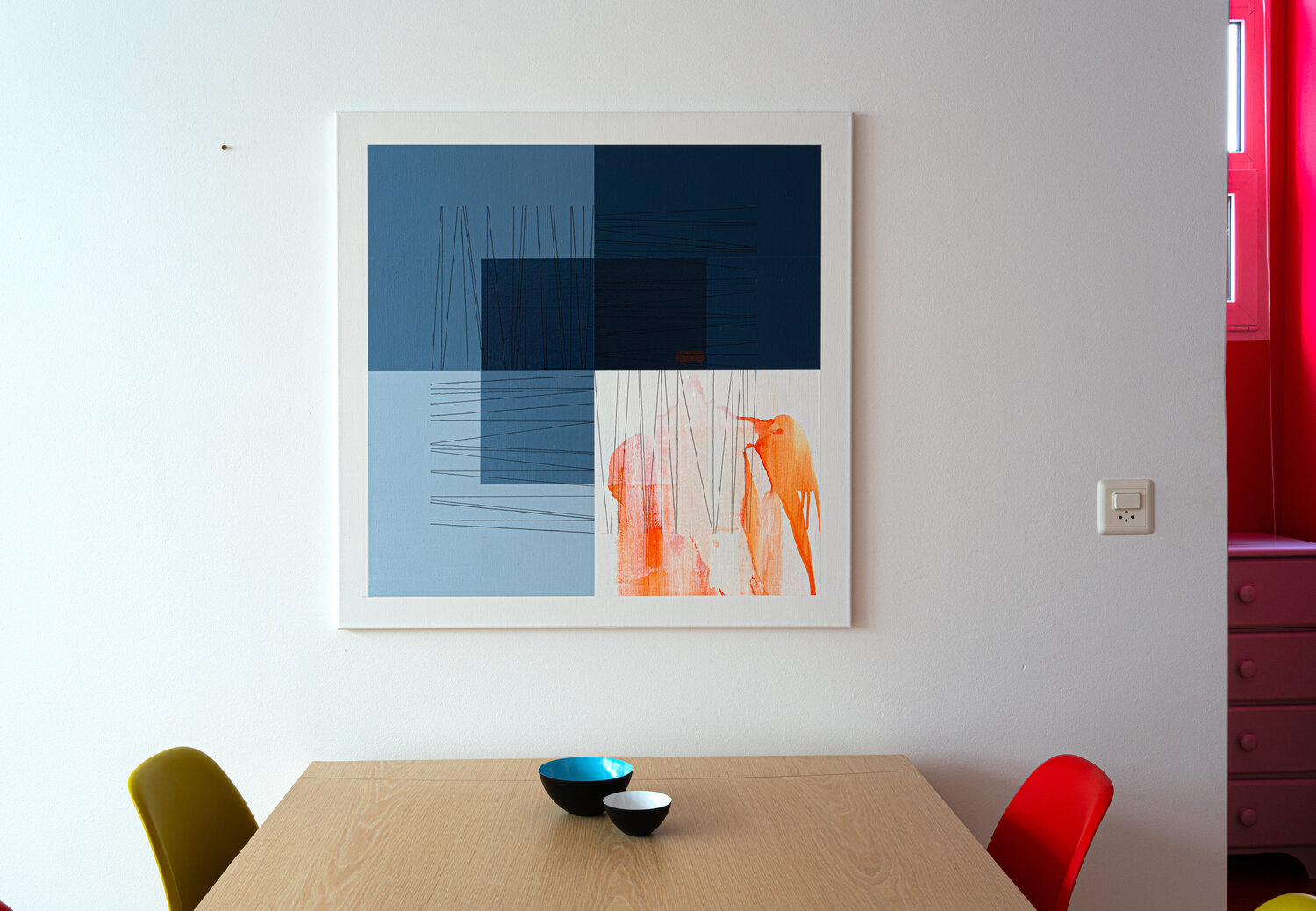
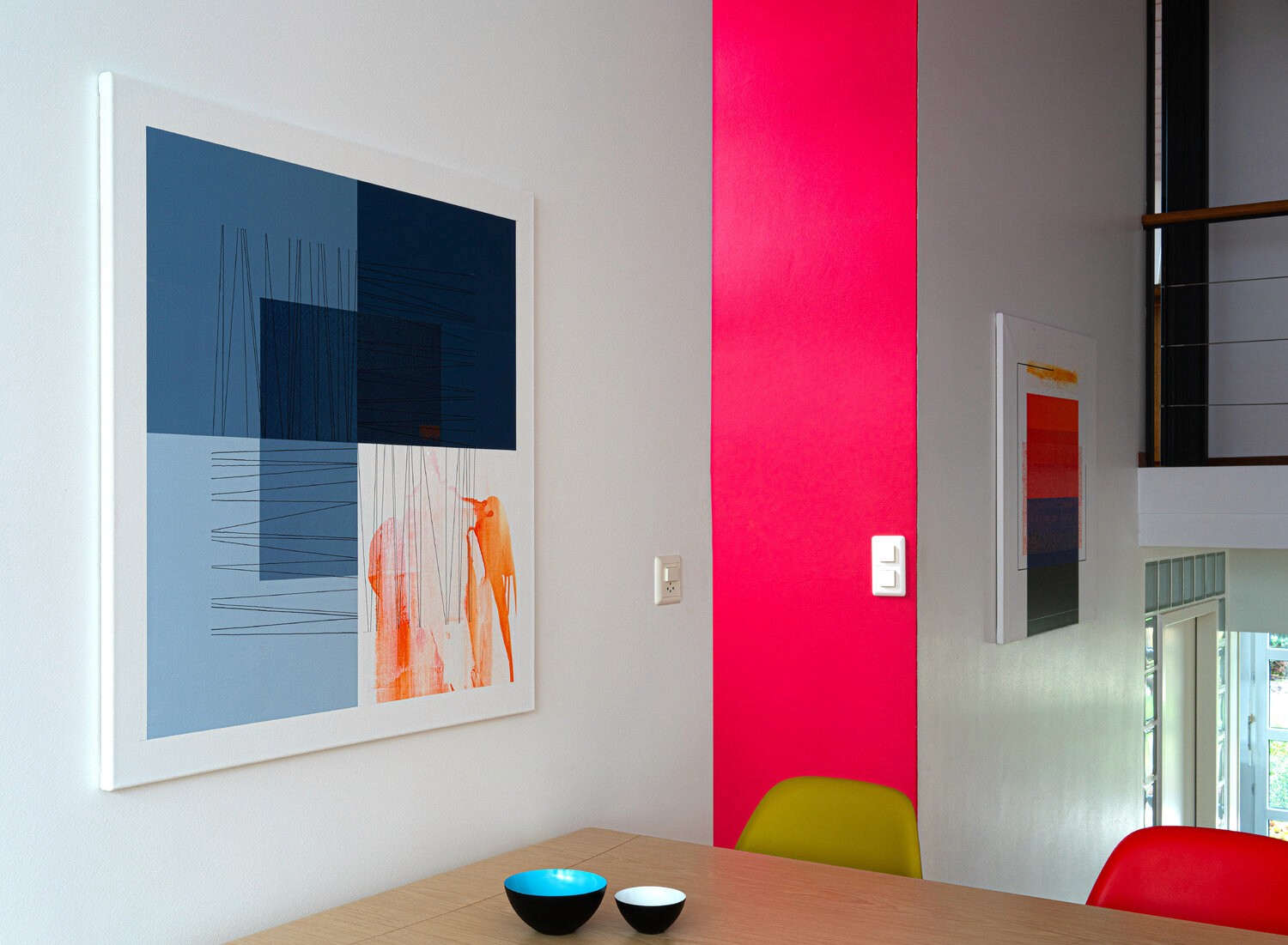
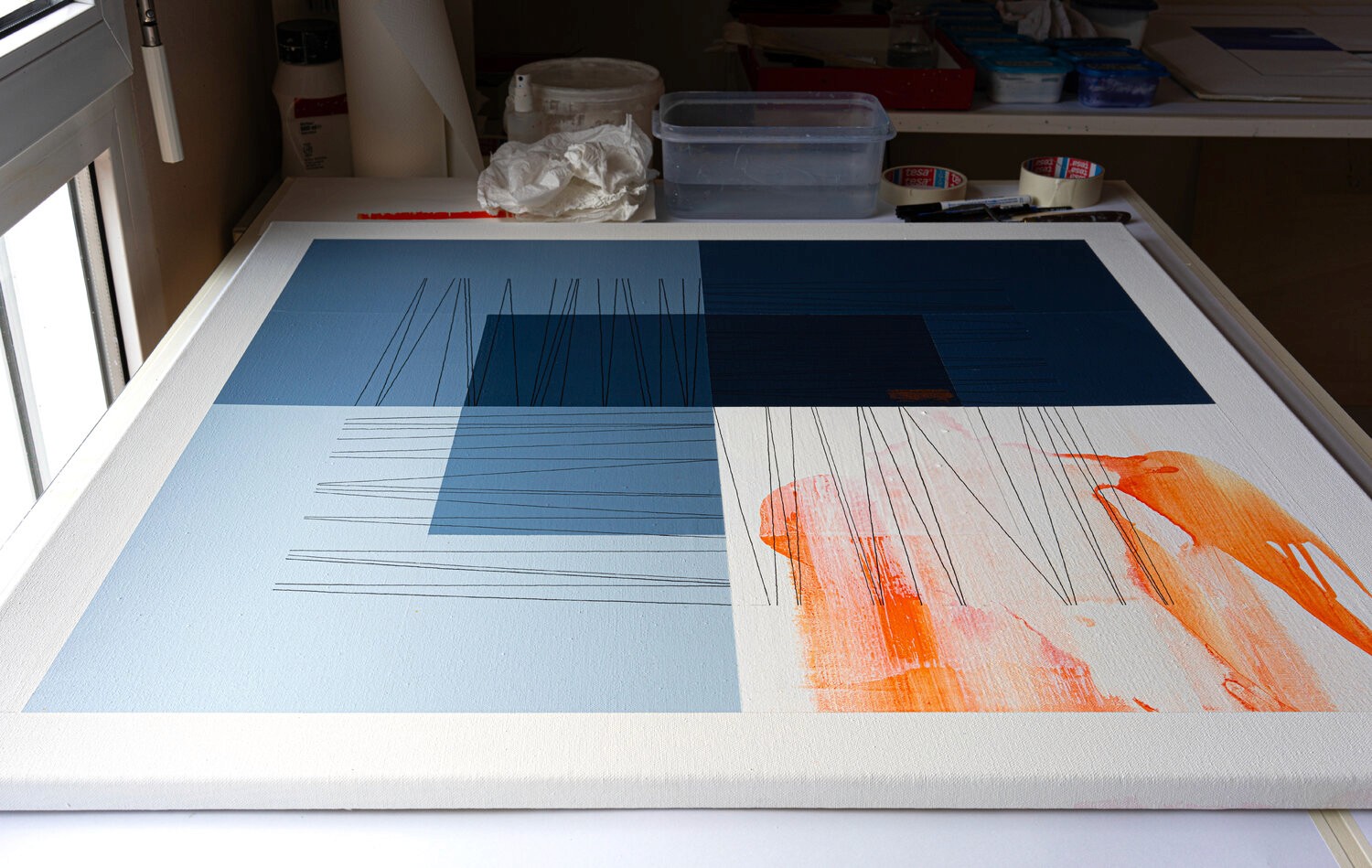
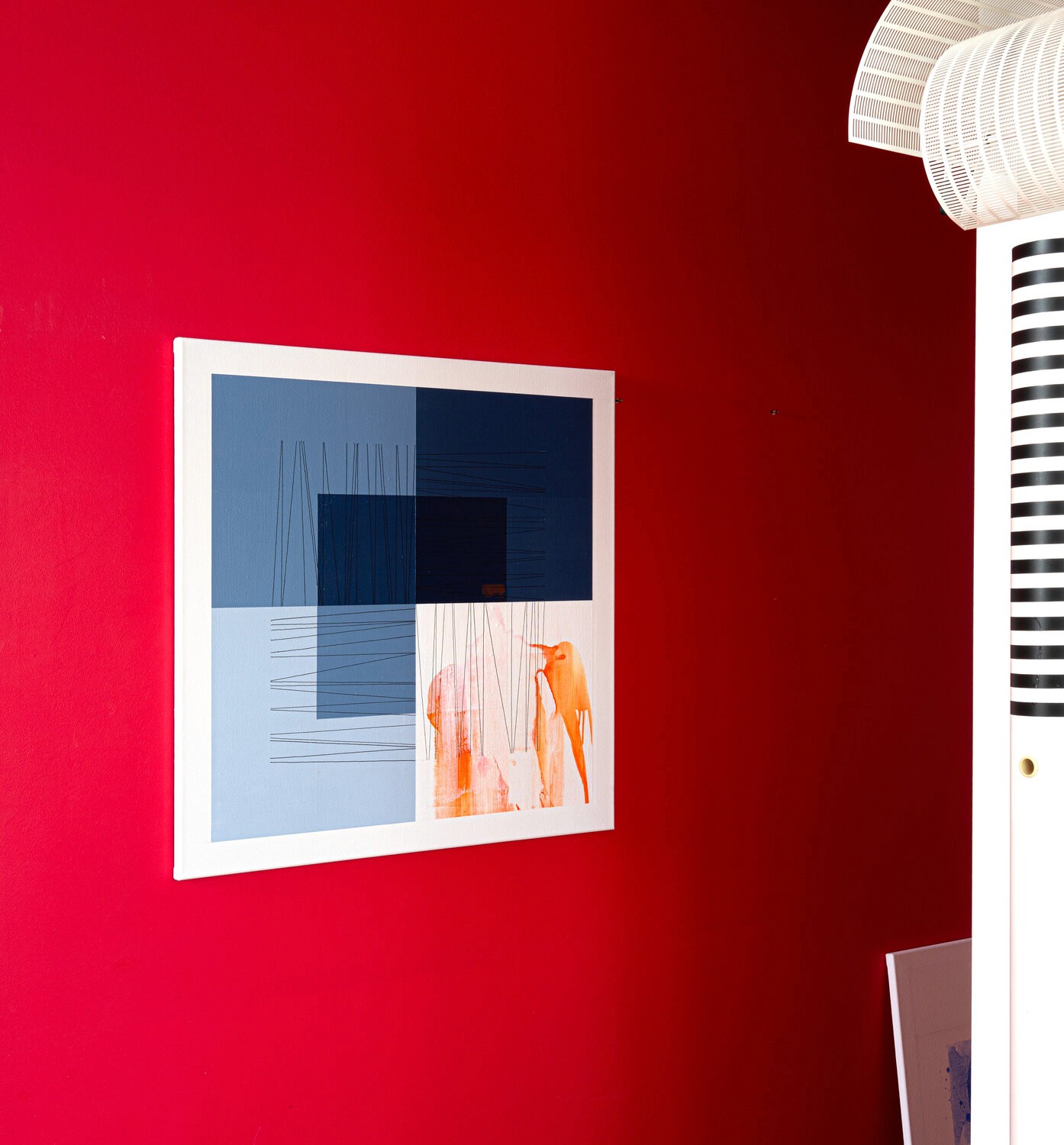
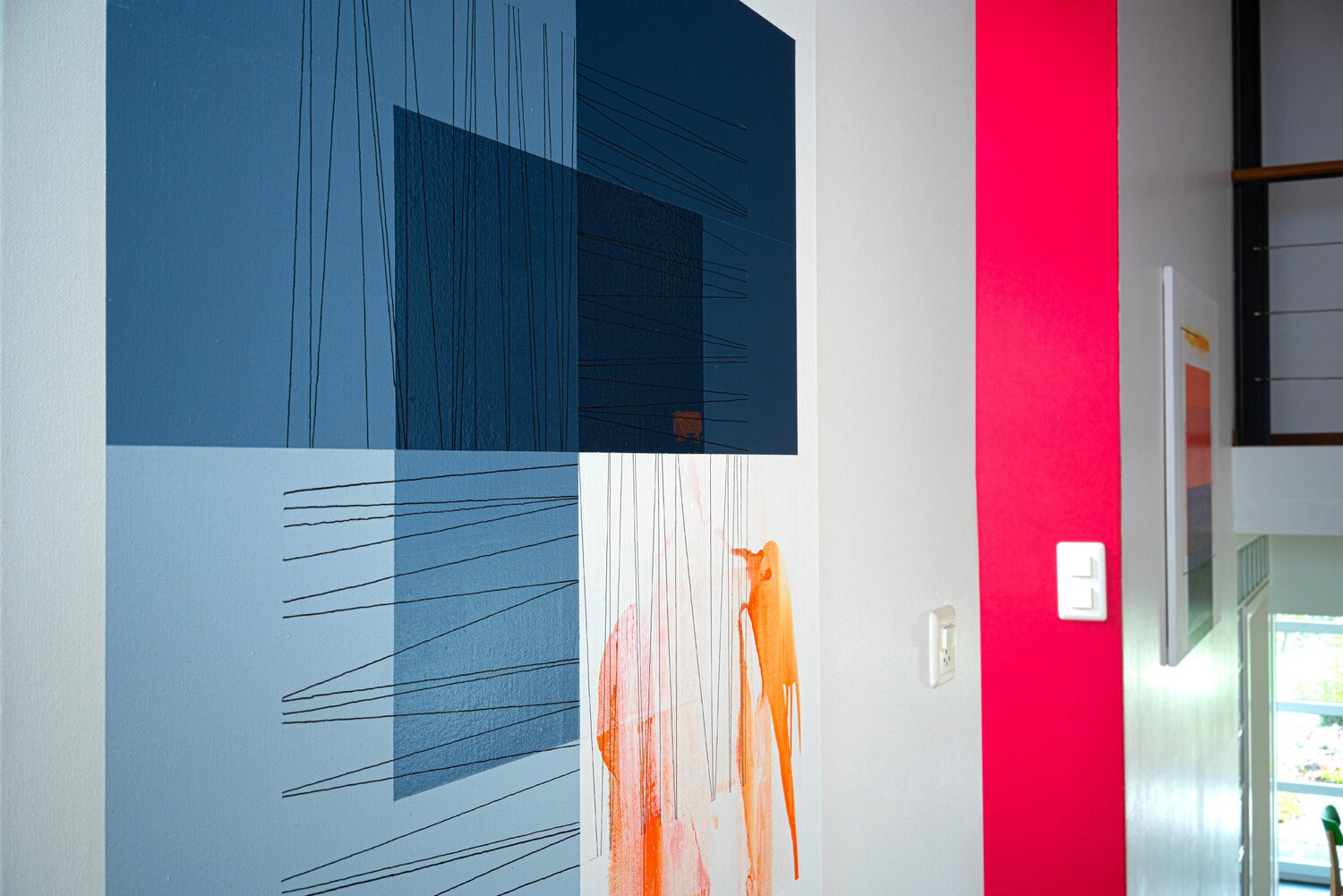
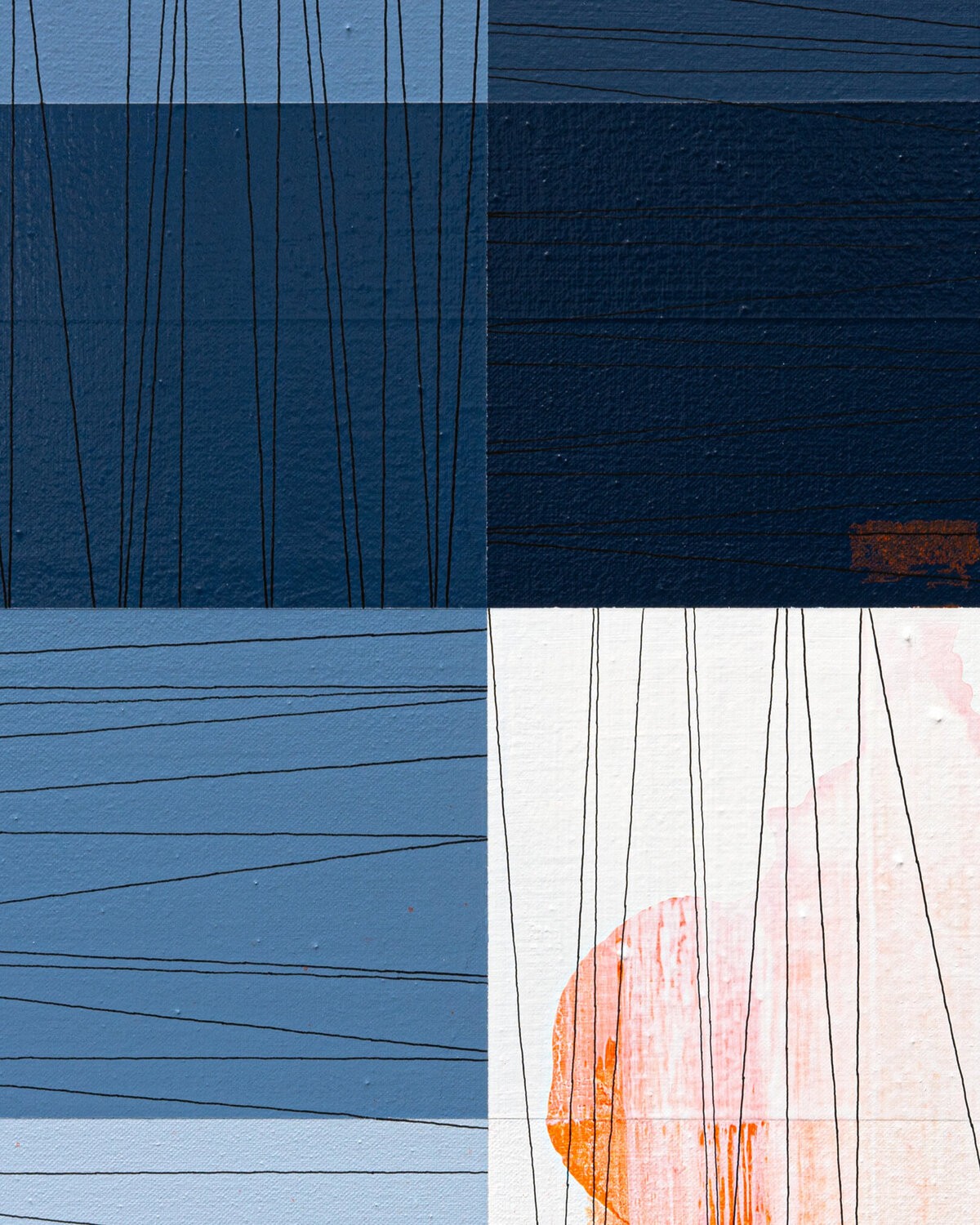
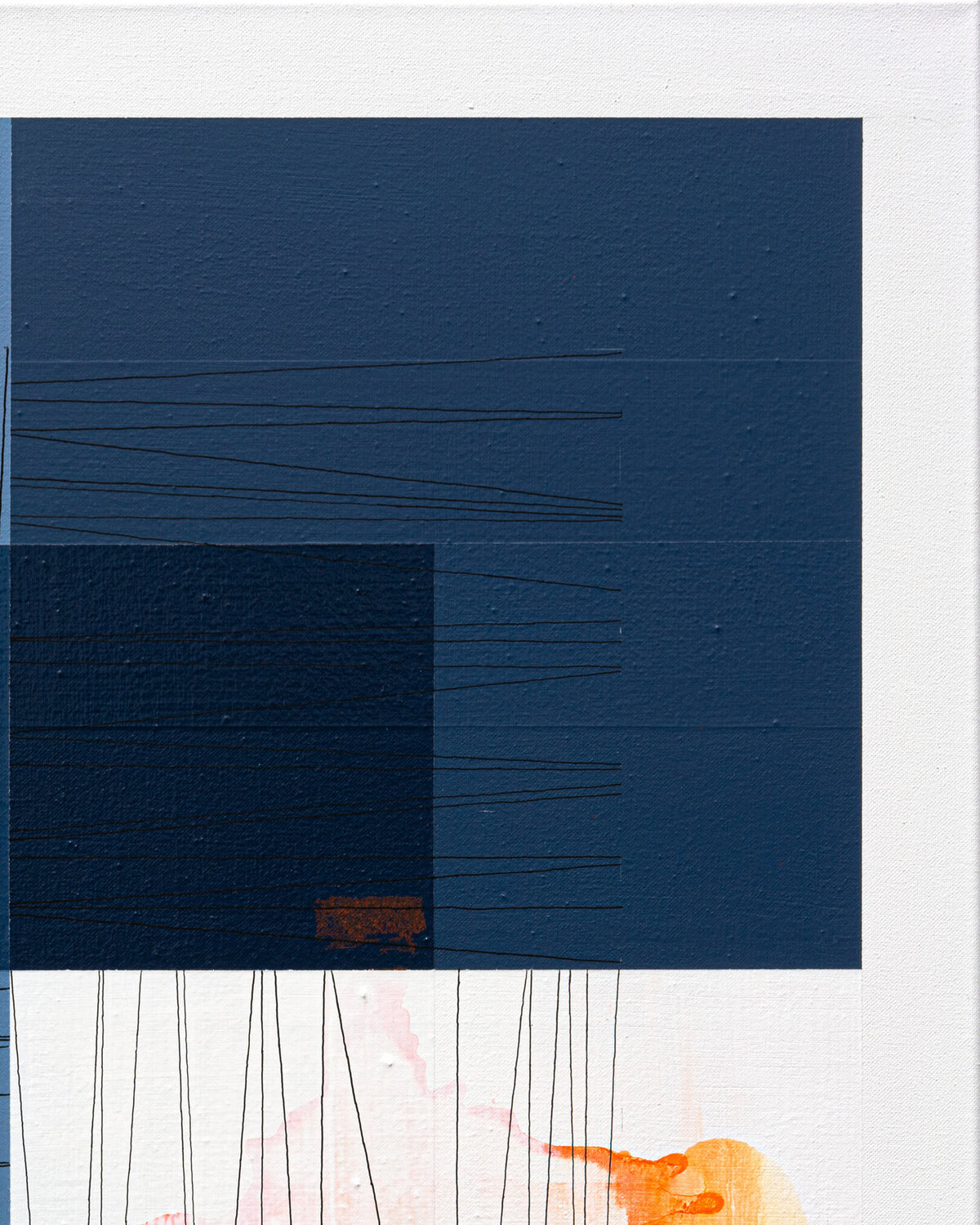
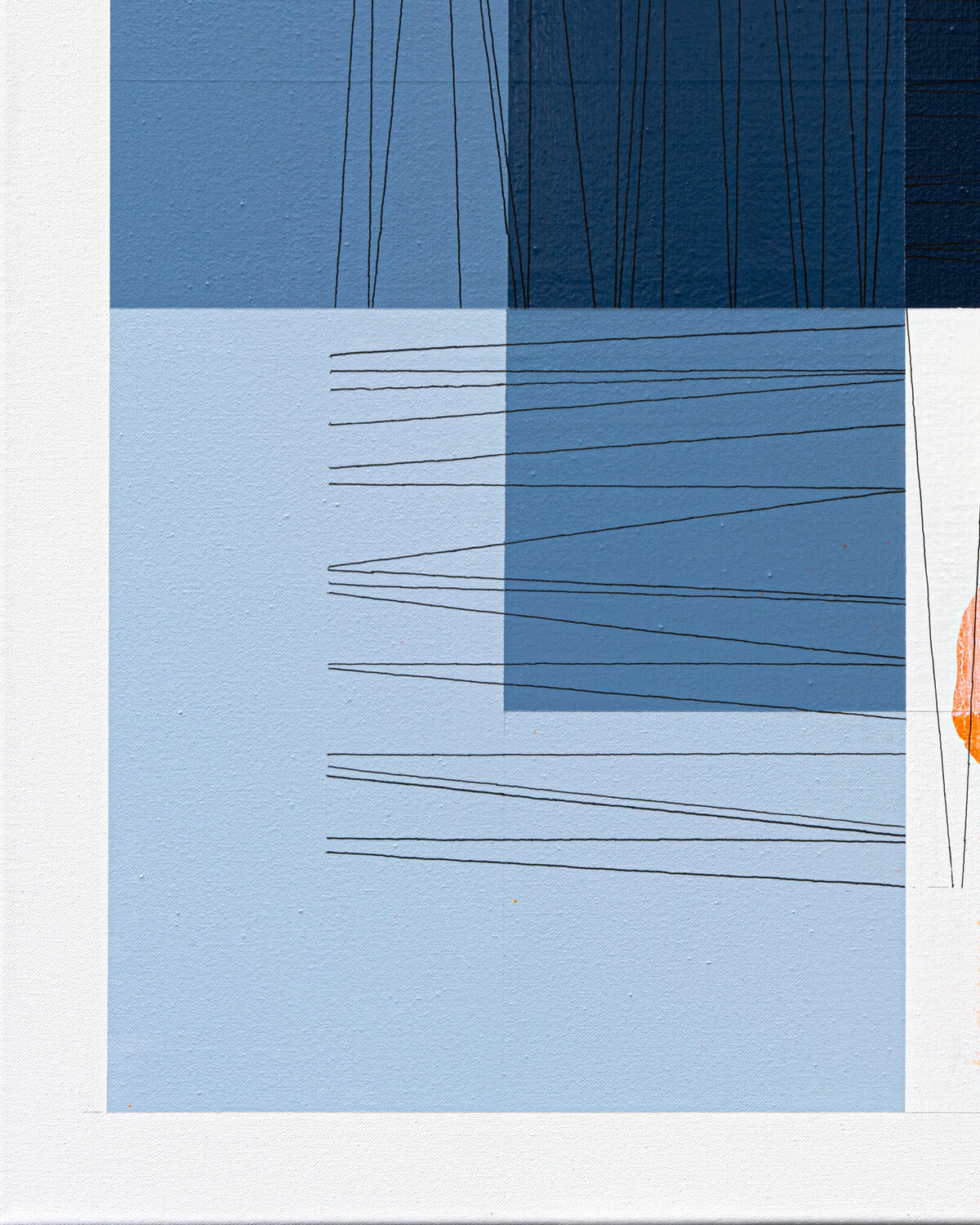
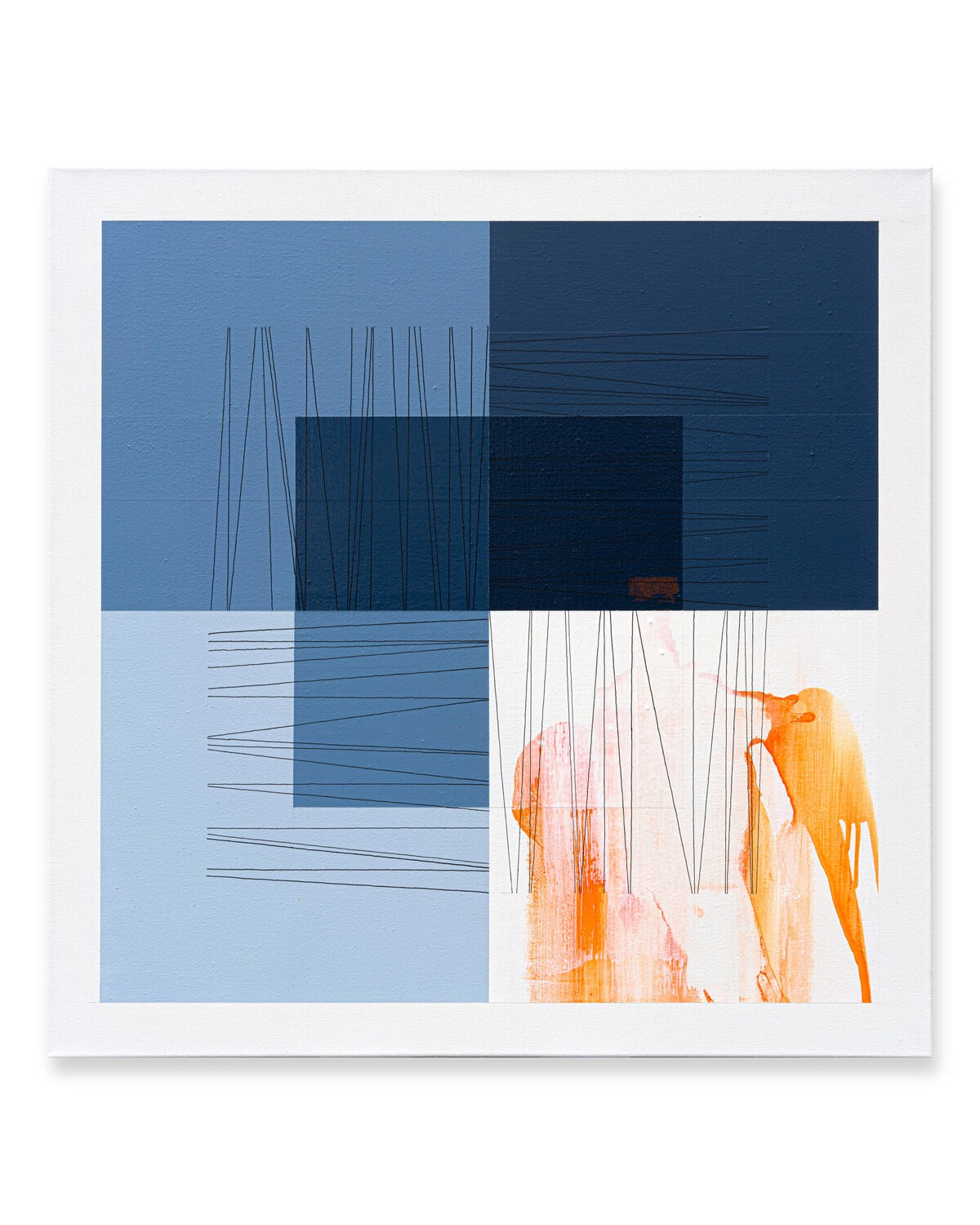
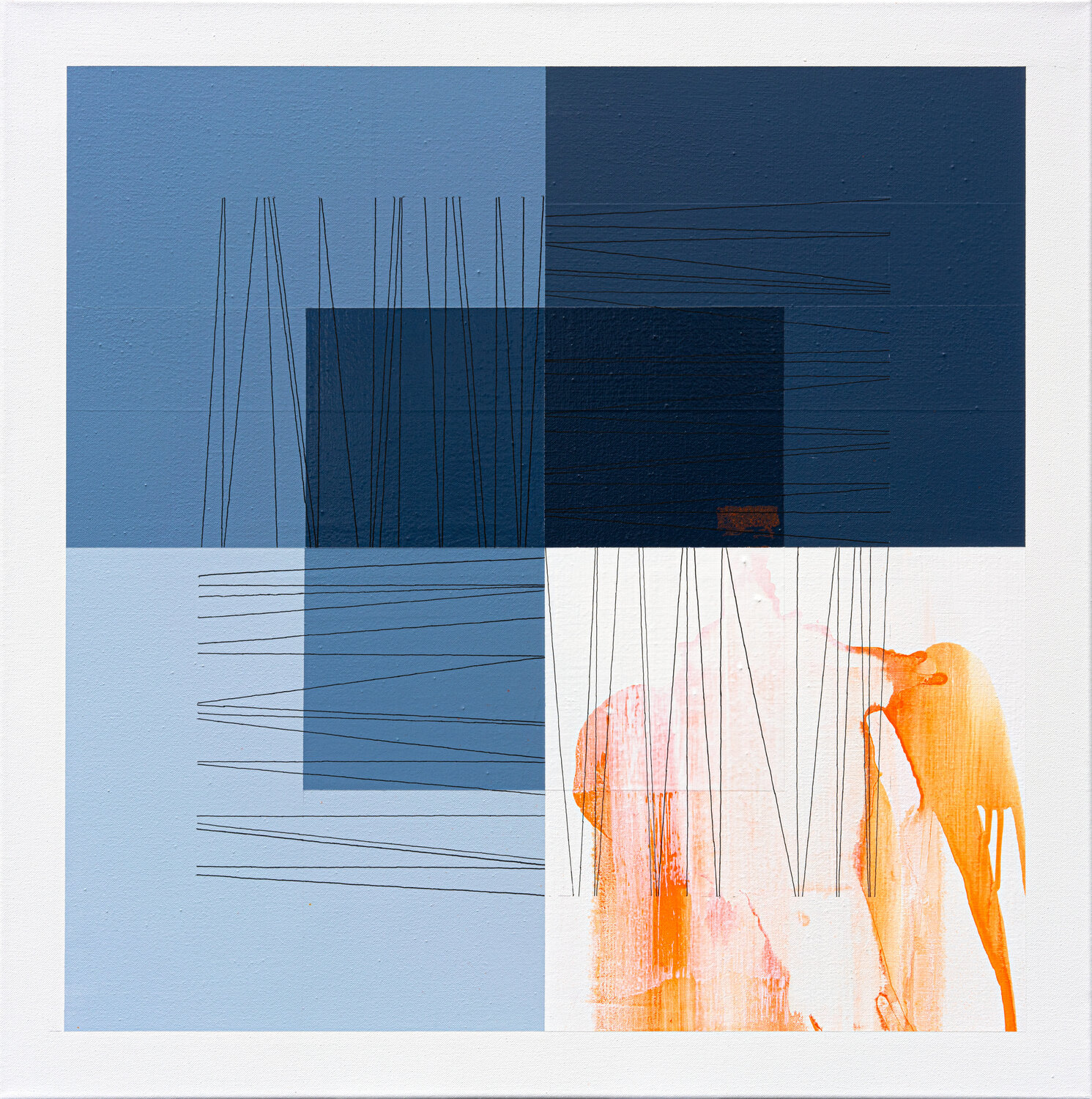
The canvas is divided into four squares, a cold and rigorous grid that immediately evokes scientific surveys or topographic maps used to measure, monitor, and document the progression of a glacier. Blue dominates, from slate blue to near-black, in a chromatic range that corresponds to the visual image of ancient, compressed, deep ice. The Aletsch Glacier, the largest in Europe, is itself a superposition of layers of blue and white. The graphic elements express the slow and inexorable movement of the ice, these flow lines visible in aerial photographs of the Aletsch Glacier, which trace the memory of its movement on the surface.
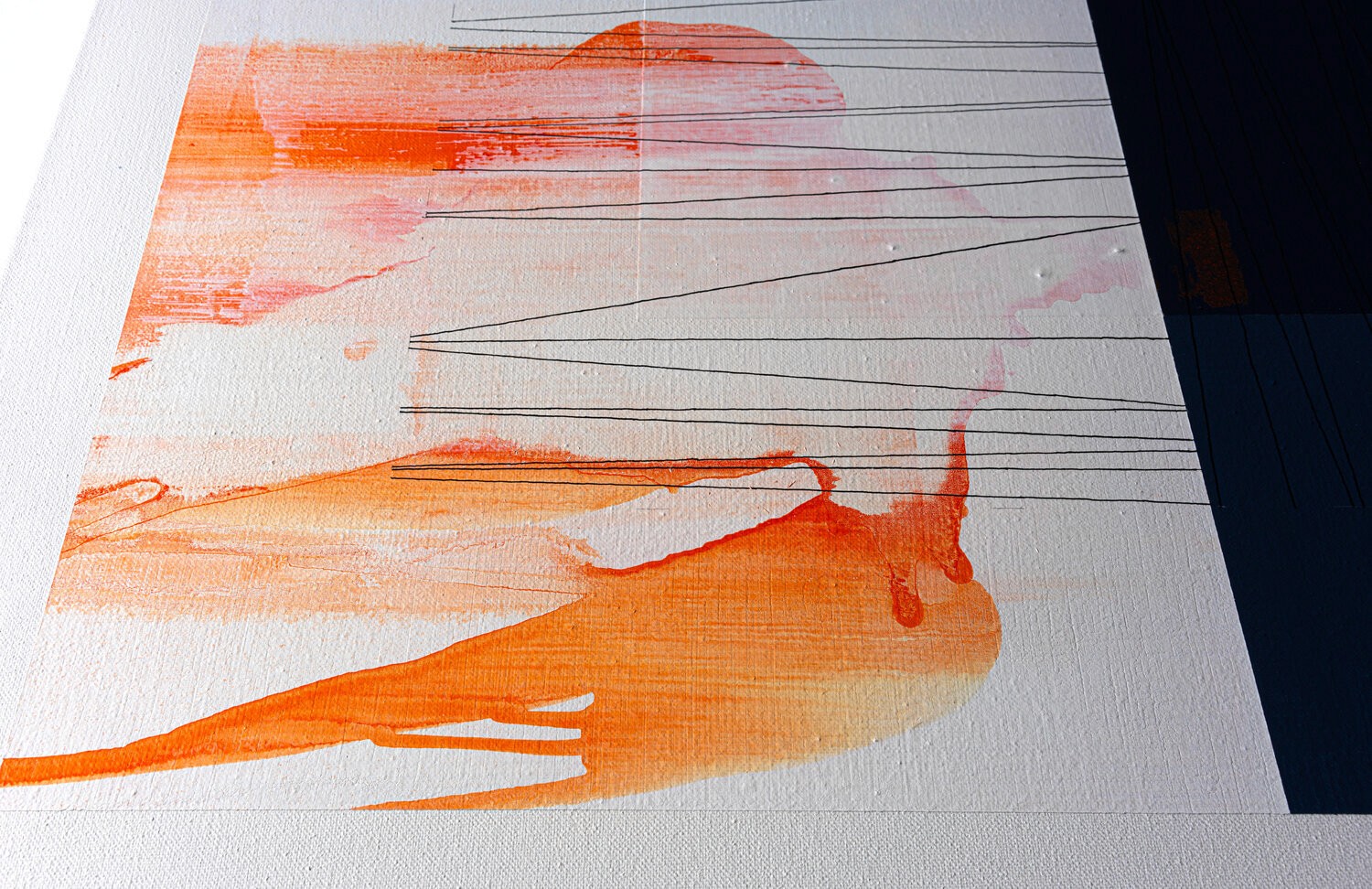
The composition creates a tension between the cold, geometric rigor of the upper left three-quarters of the canvas, the glacier as it once was, stable, massive, structured, and the warm, liquid, organic disorder of the lower right corner, the glacier as it becomes.
The Aletsch Glacier is located in the Swiss Alps. You can enter the glacier through a gallery; I was a child when I saw it but my visual memory recorded this light filtered by the ice and all these sublime shades of blue!
The geometric structure as glacial cartography:
The canvas is divided into four squares, a cold and rigorous grid that immediately evokes scientific surveys or topographic maps used to measure, monitor, and document the progression of a glacier. Blue dominates, from slate blue to near-black, in a chromatic range that corresponds to the visual image of ancient, compressed, deep ice. The Aletsch Glacier, the largest in Europe, is itself a superposition of layers of blue and white. The graphic elements express the slow and inexorable movement of the ice, these flow lines visible in aerial photographs of the Aletsch Glacier, which trace the memory of its movement on the surface.
The composition creates a tension between the cold, geometric rigor of the upper left three-quarters of the canvas, the glacier as it once was, stable, massive, structured, and the warm, liquid, organic disorder of the lower right corner, the glacier as it becomes.