On The Glass, The Mist Separates Me From The World
,
2024
Patrick Piccinelli
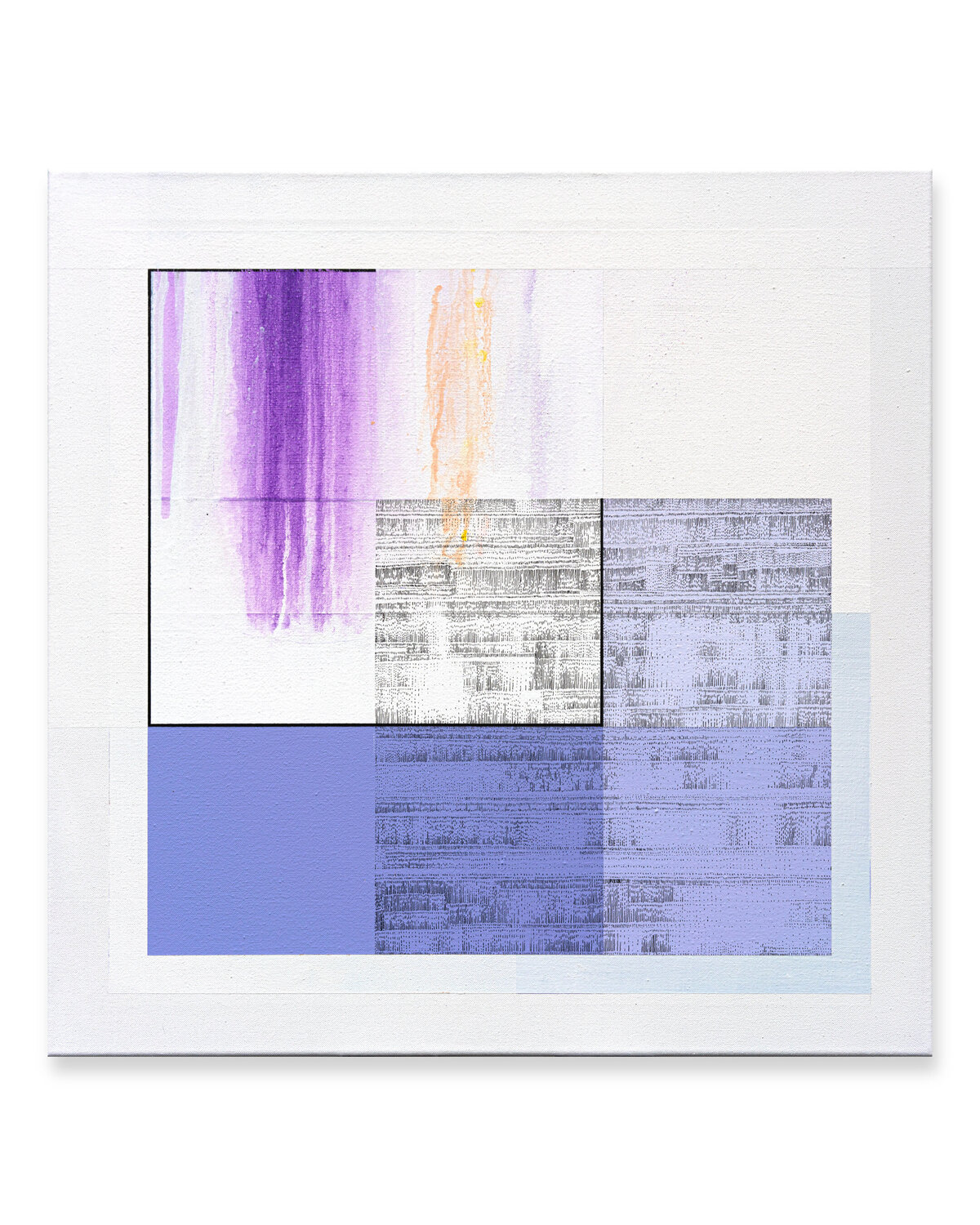
On The Glass, The Mist Separates Me From The World
2024
Acrylic, Ink on Canvas
Acrylic, Ink on Canvas
70
70
X
X
70
70
Sold
Private collection:
Tucson
,
United States
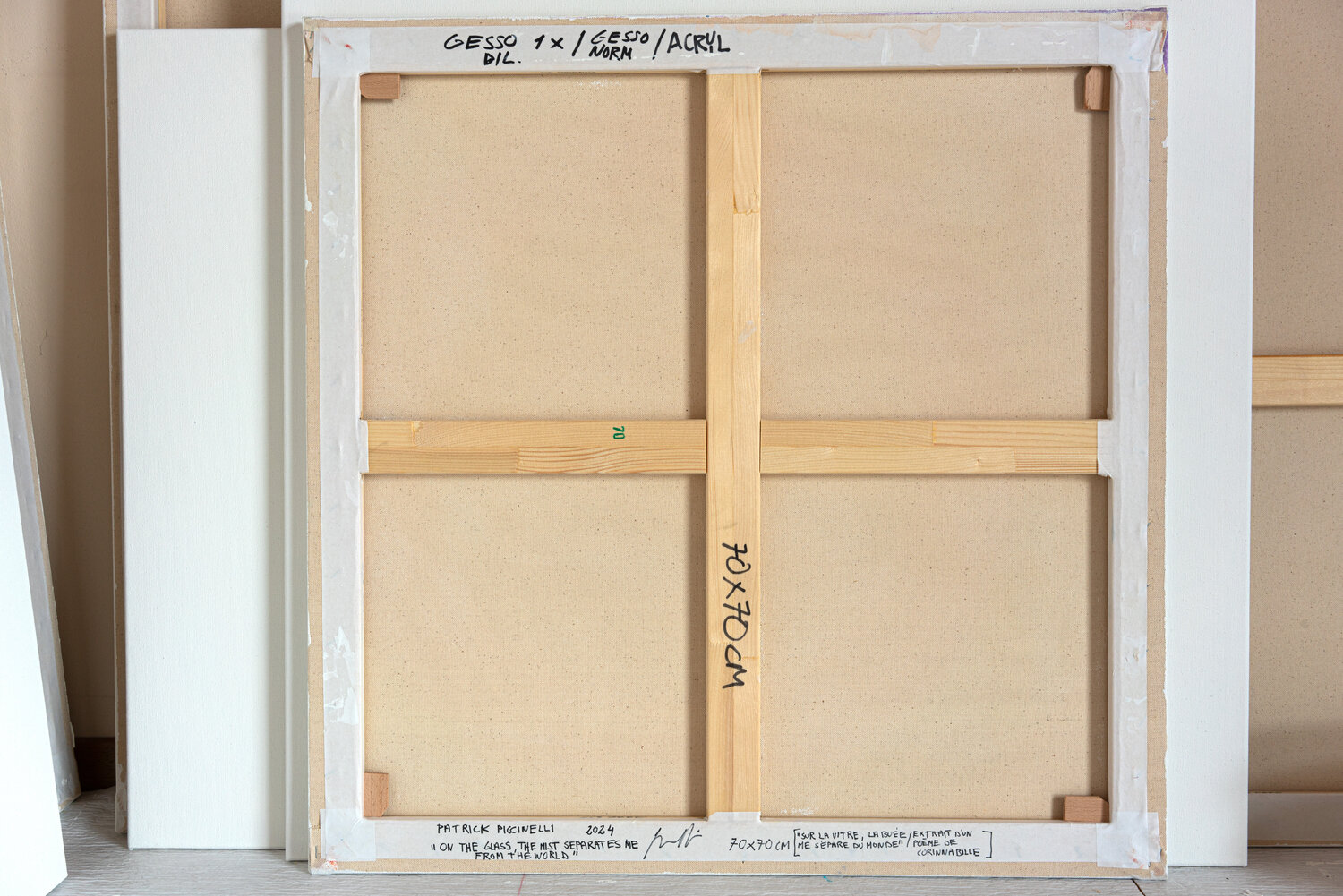
The title is inspired by a poem by Corinna Bille.
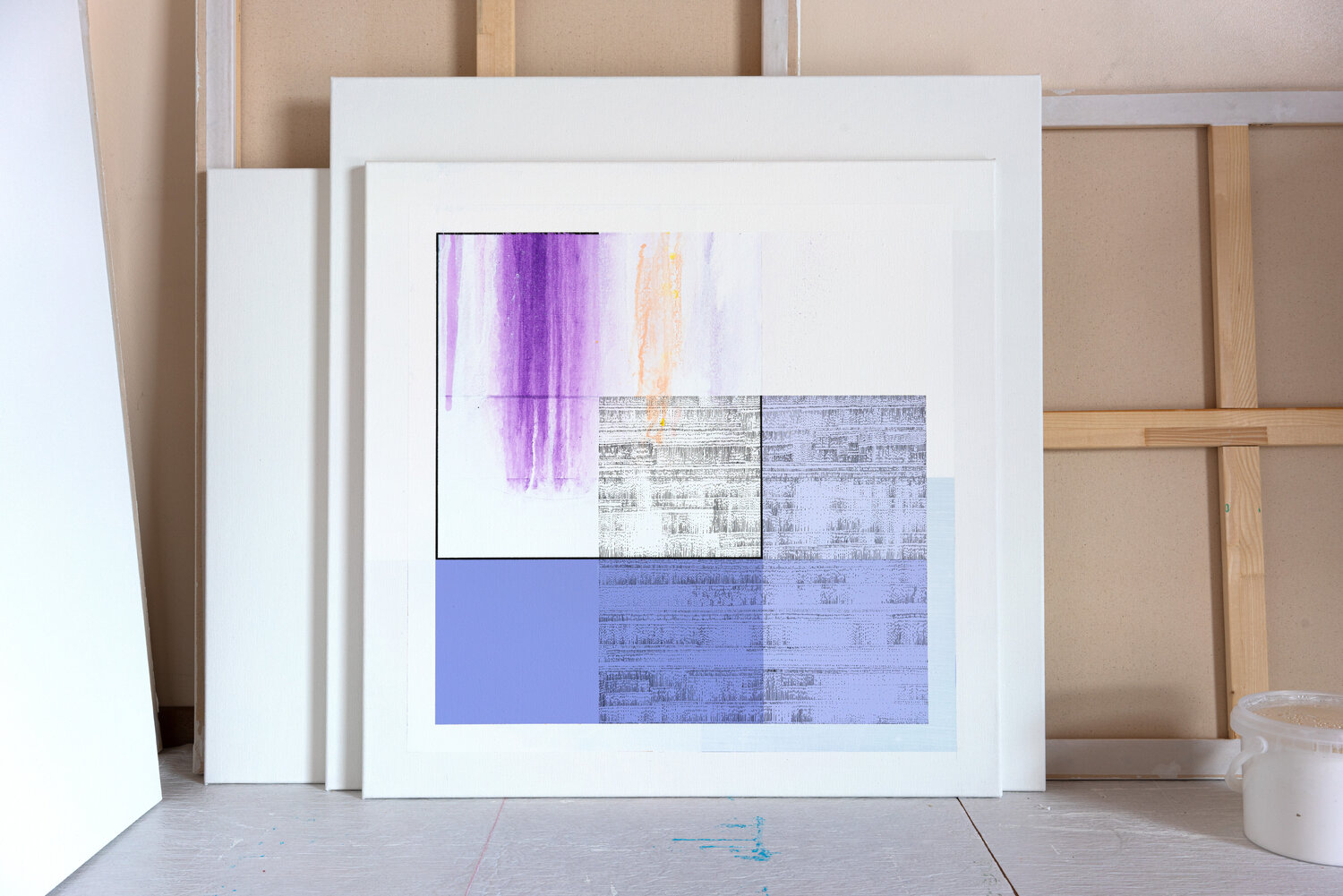
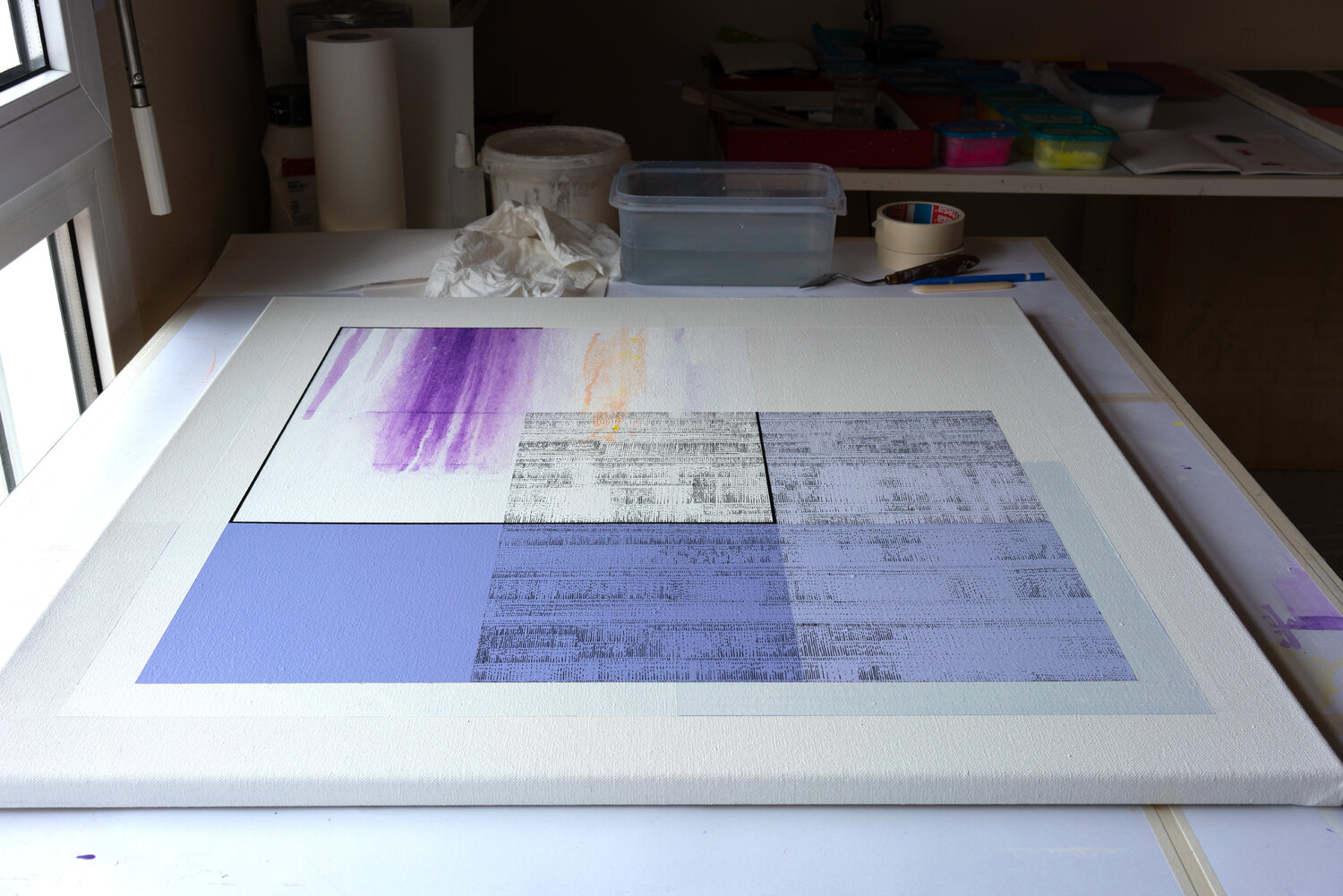
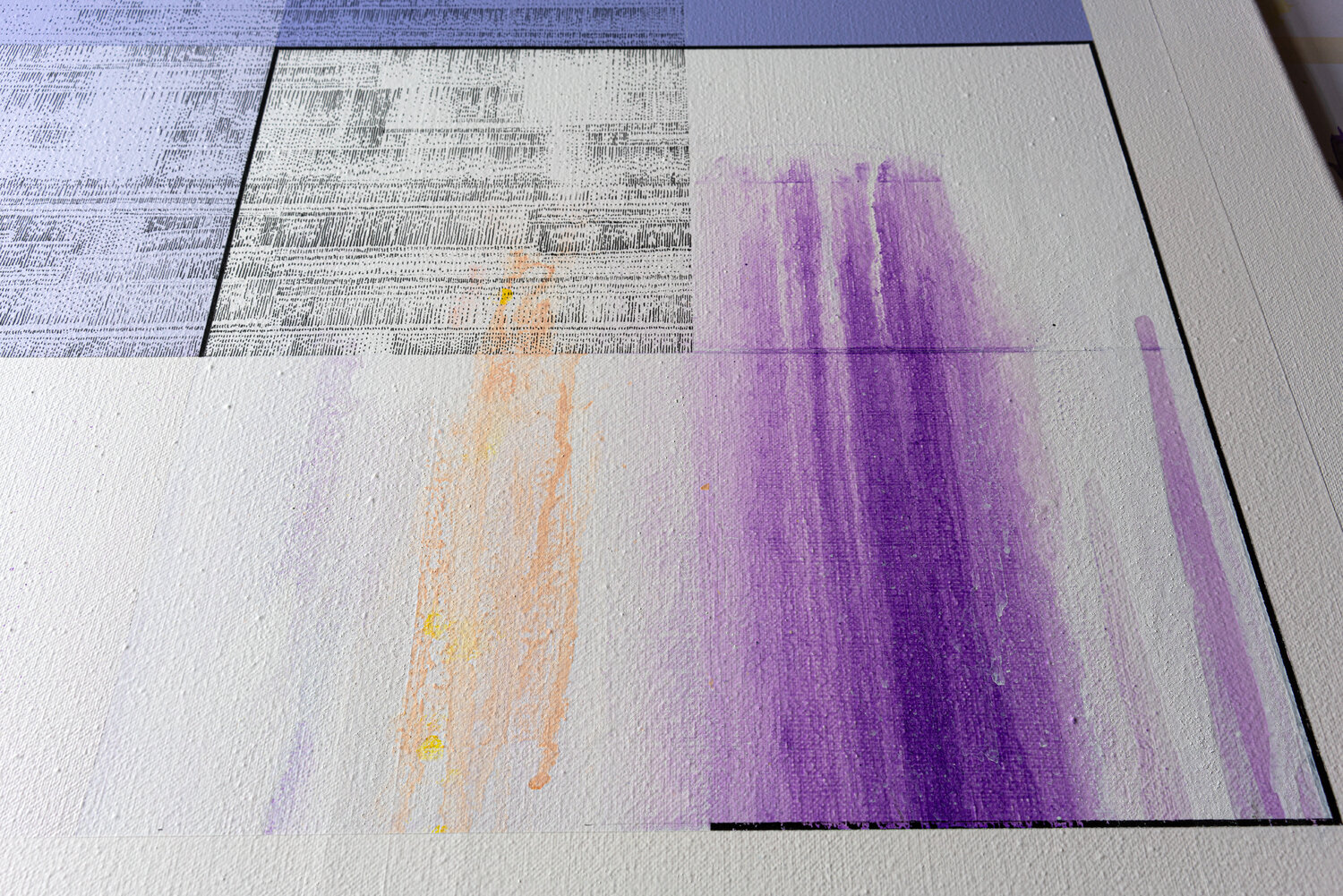
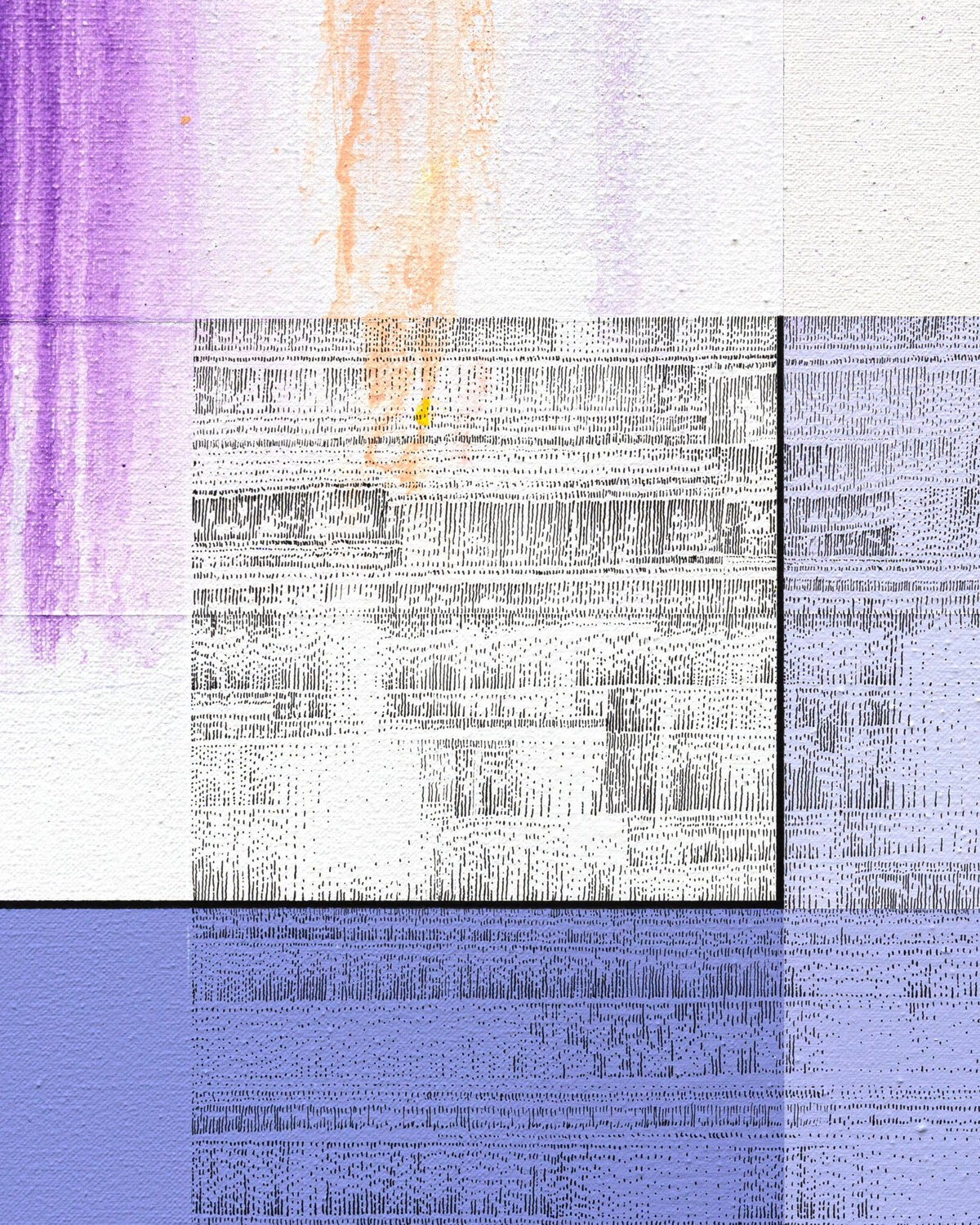
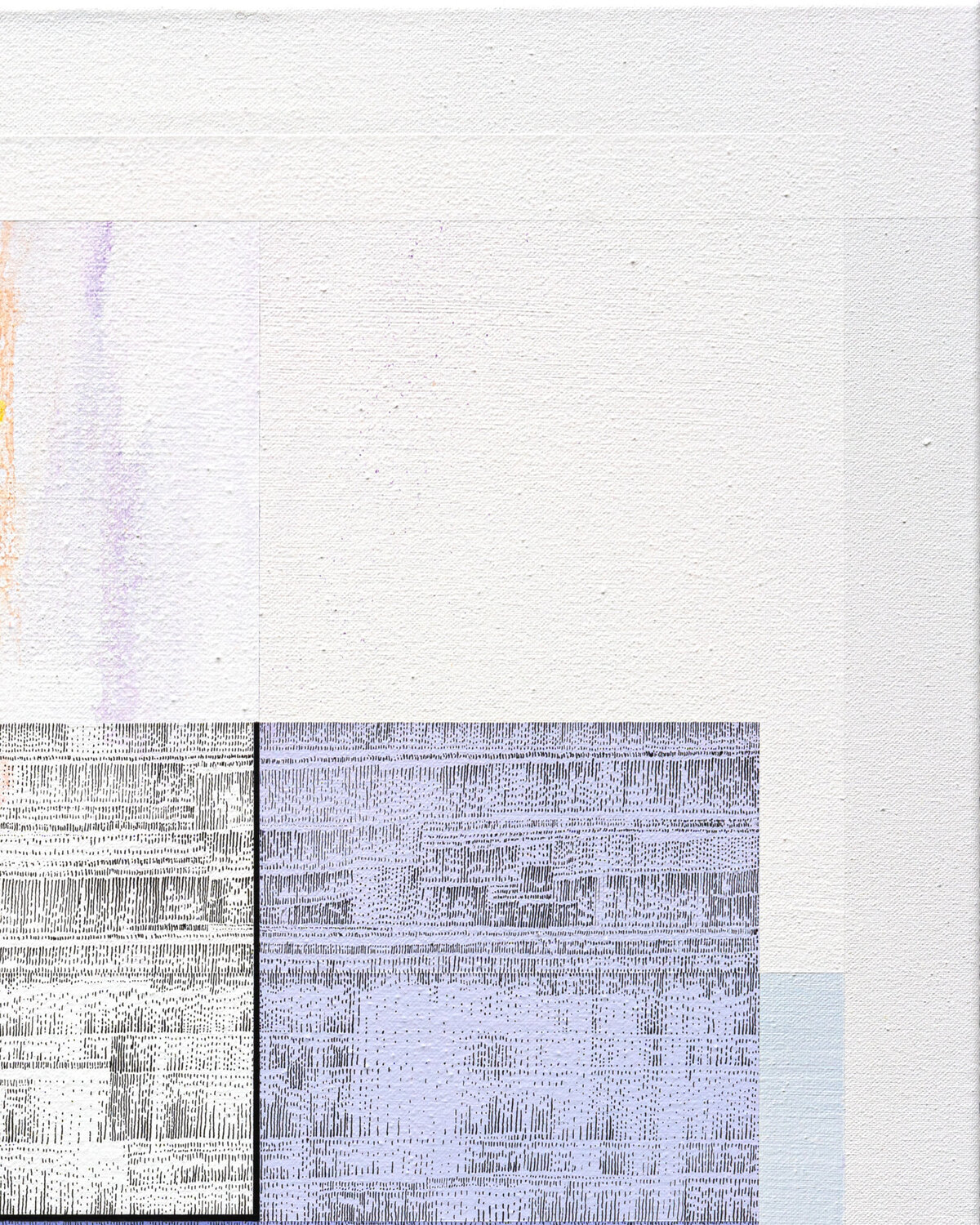
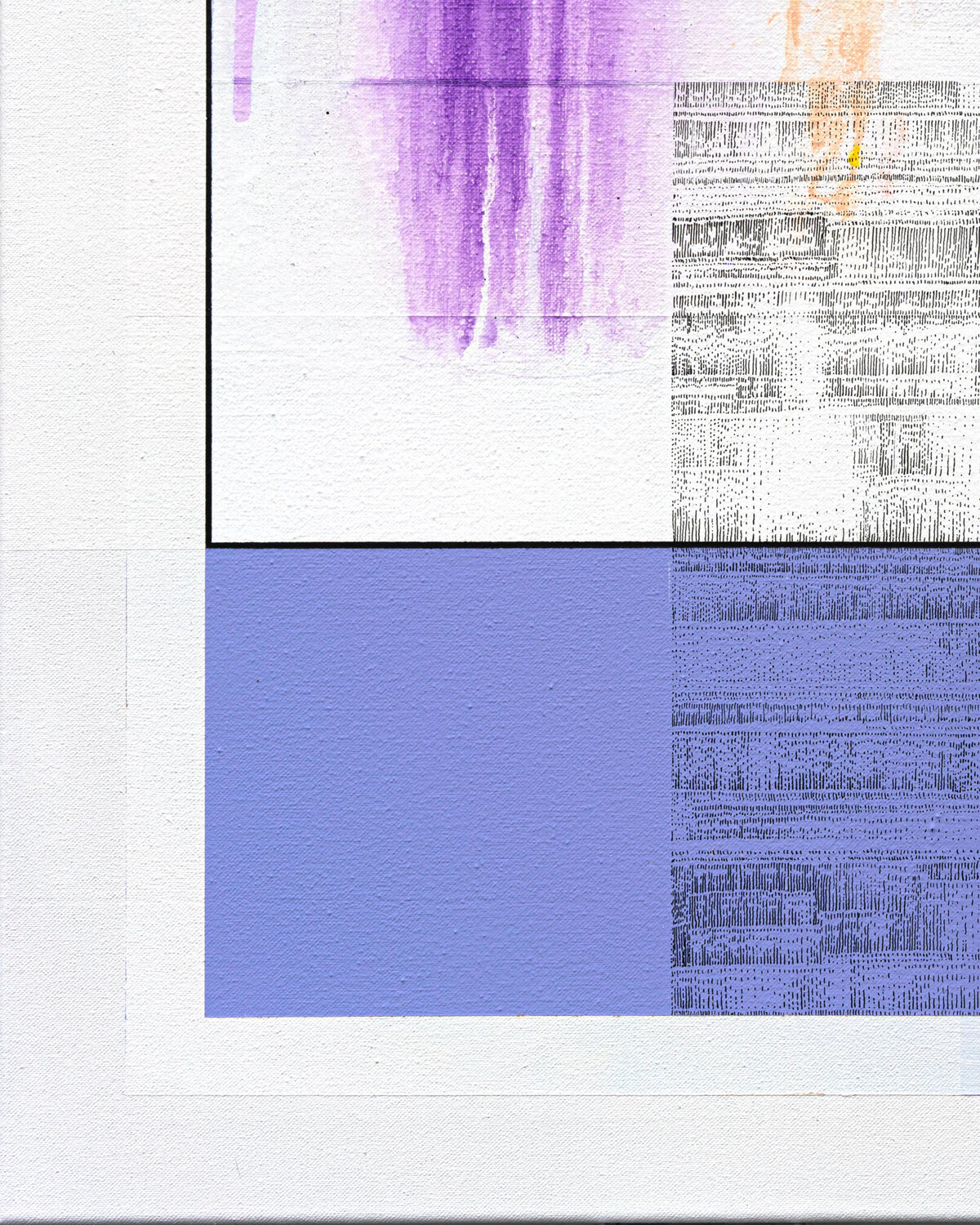
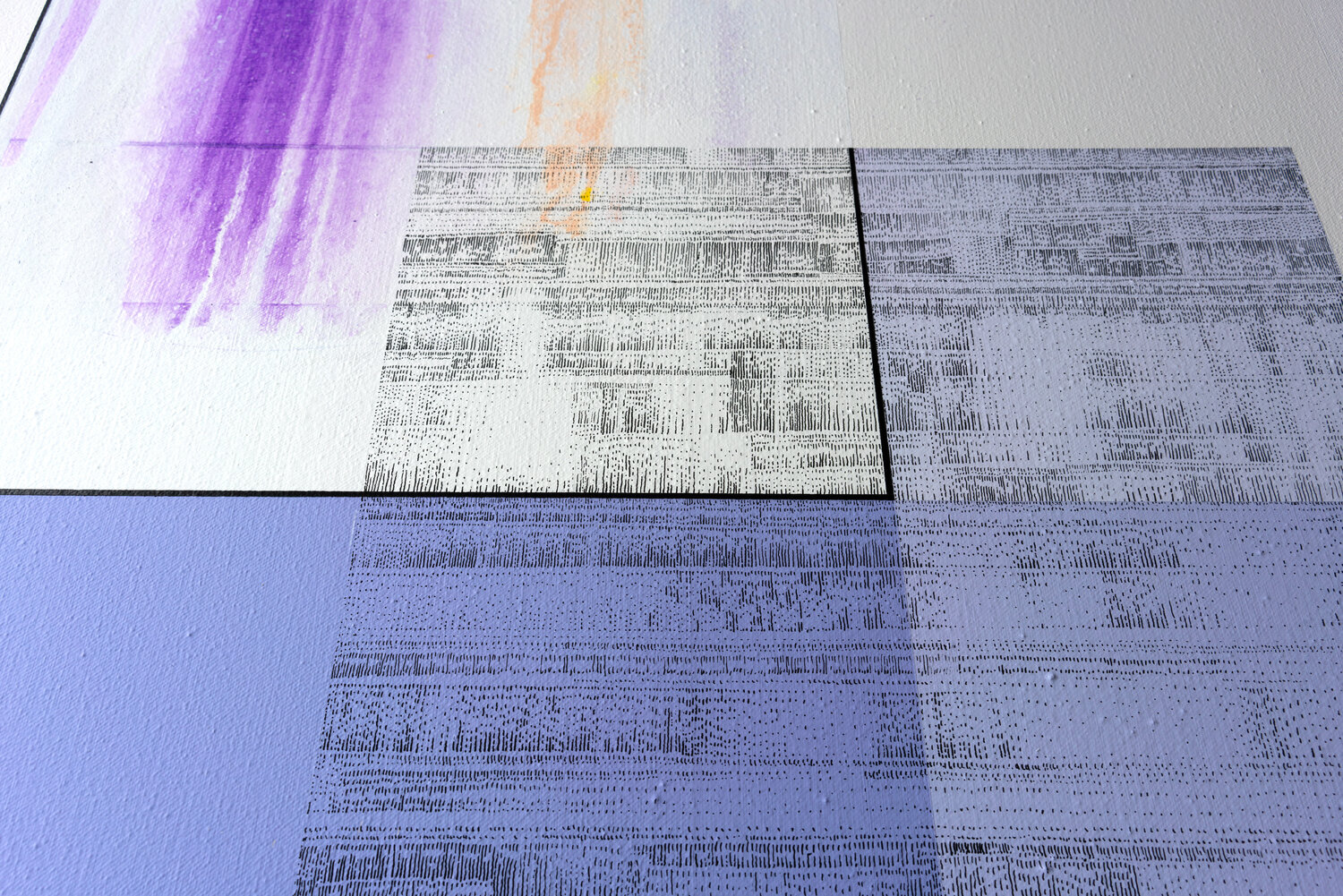
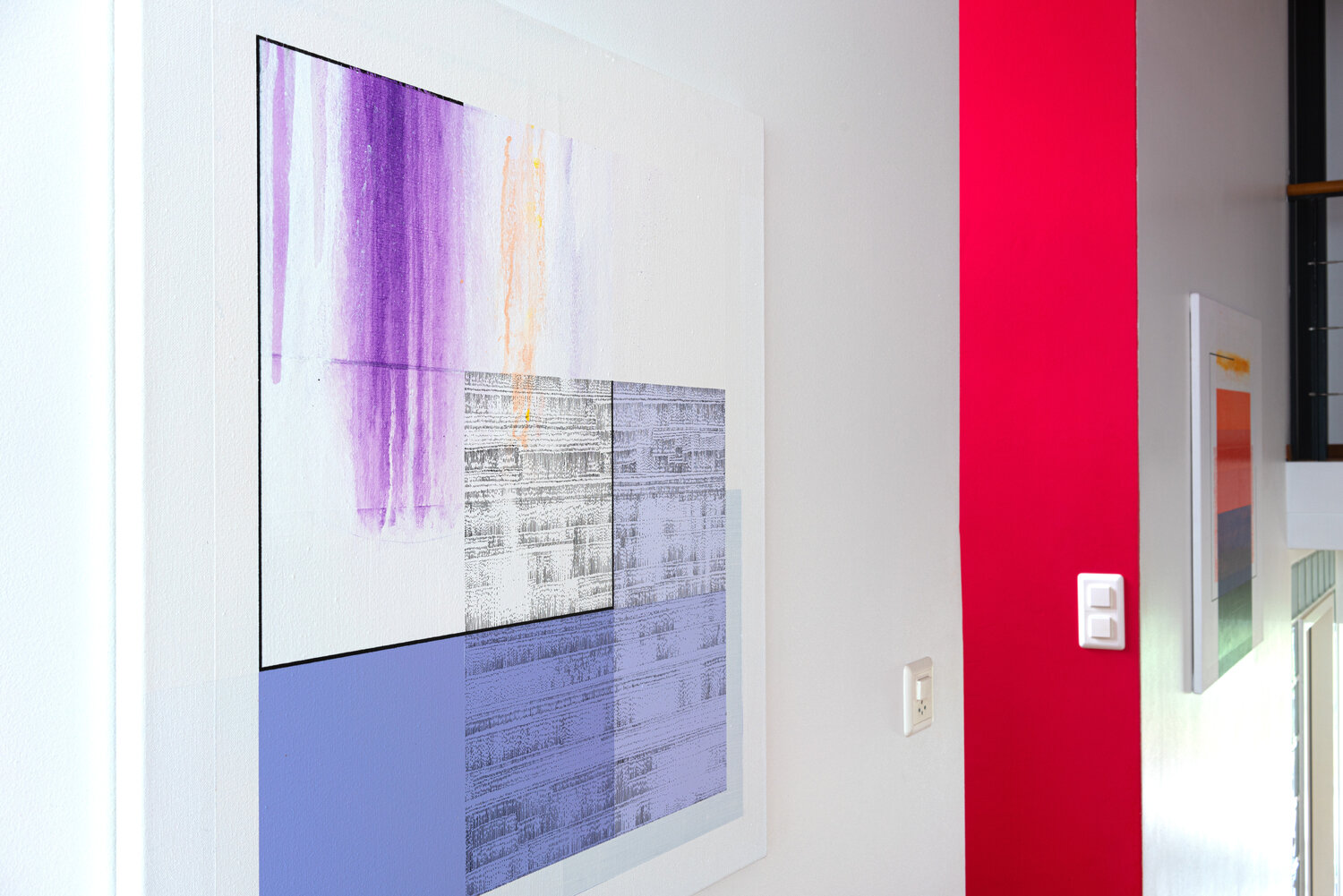
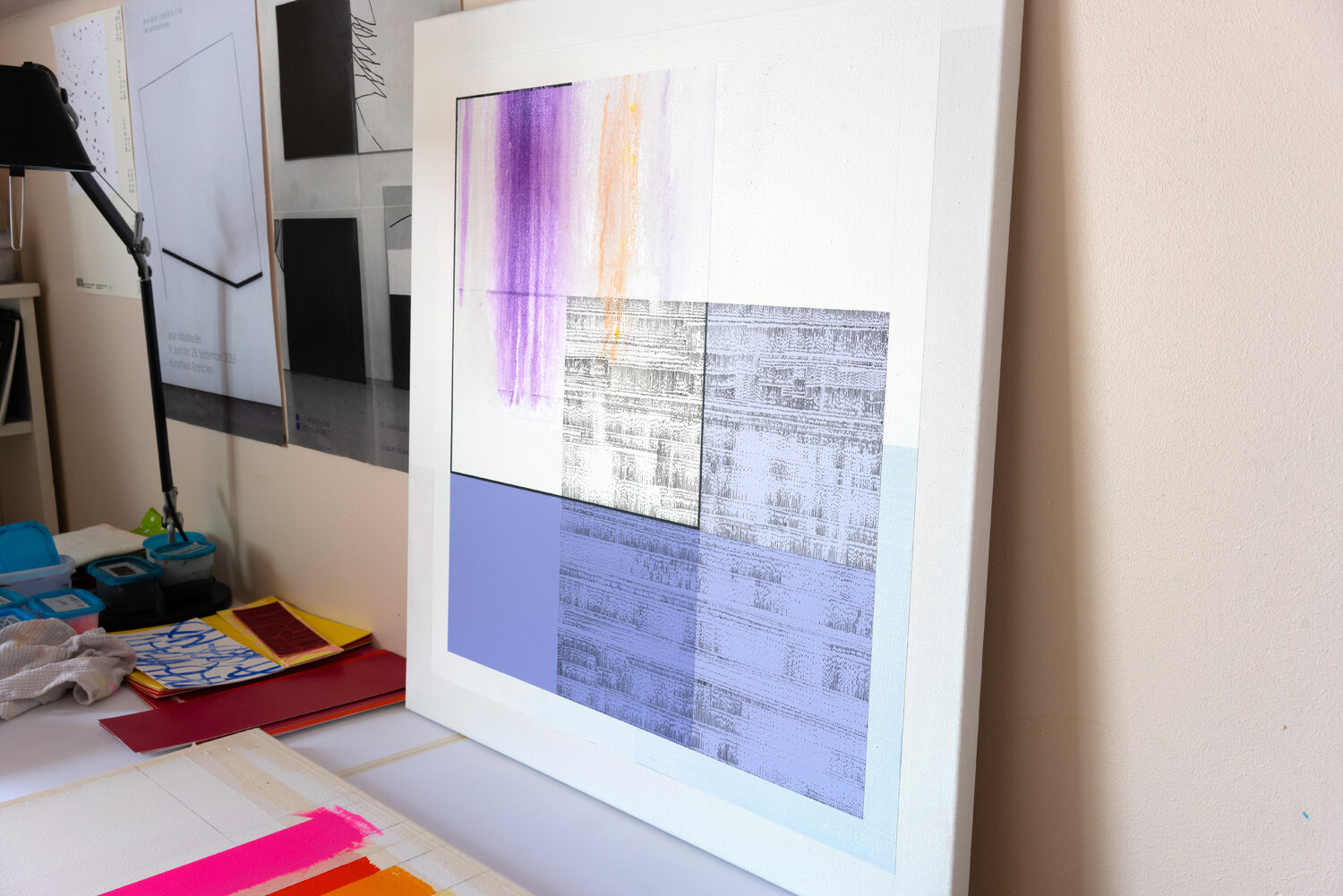
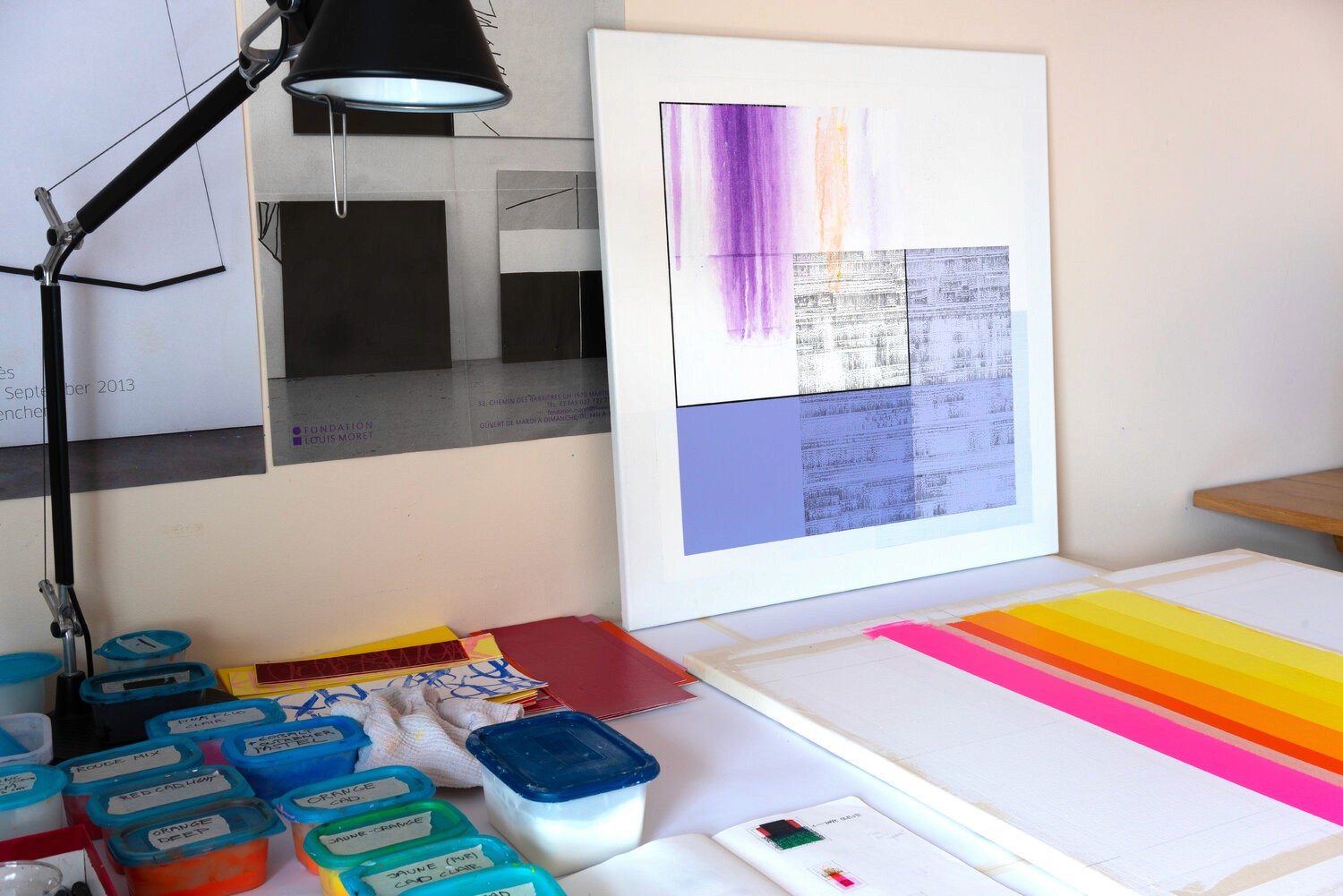
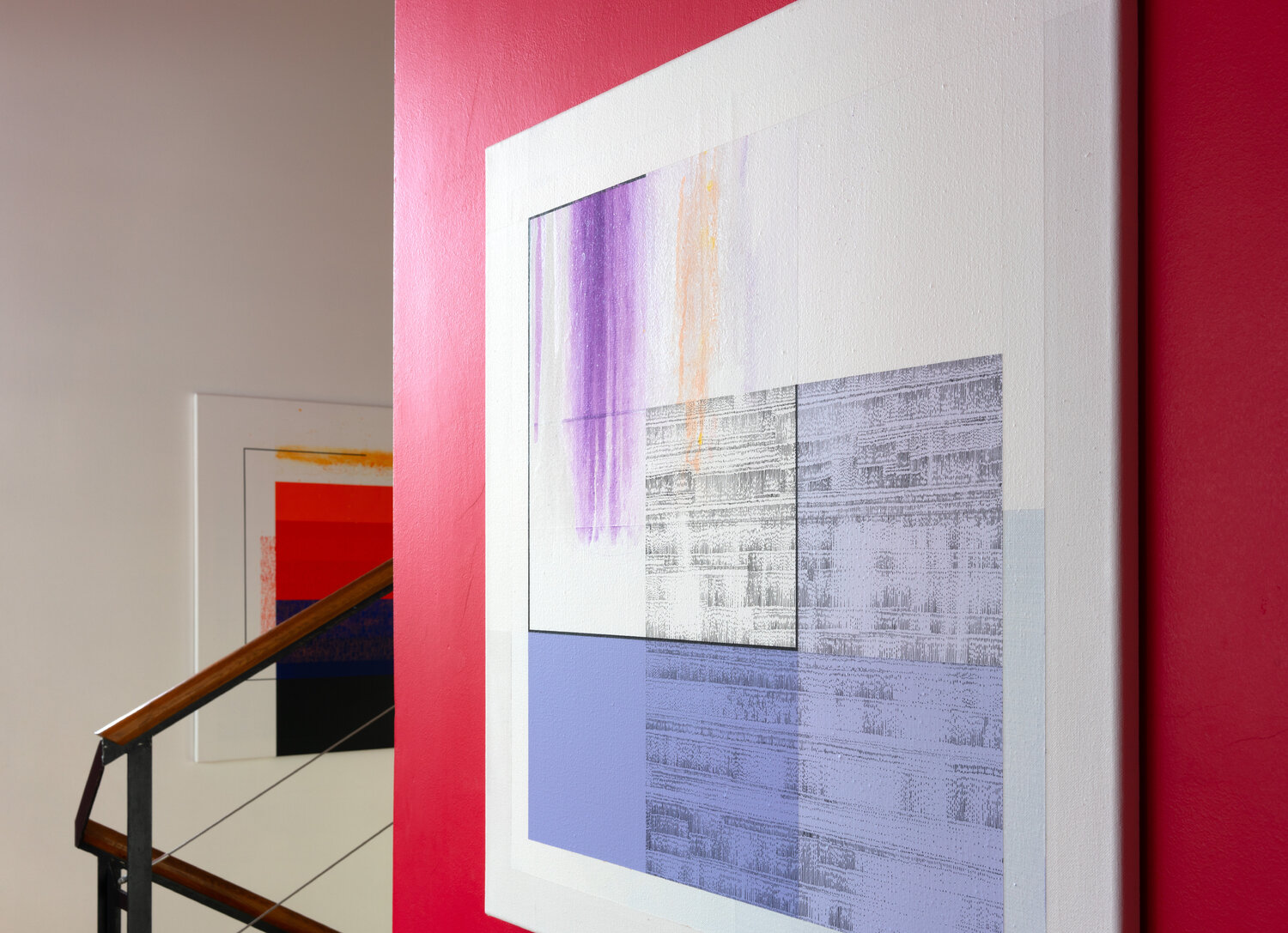
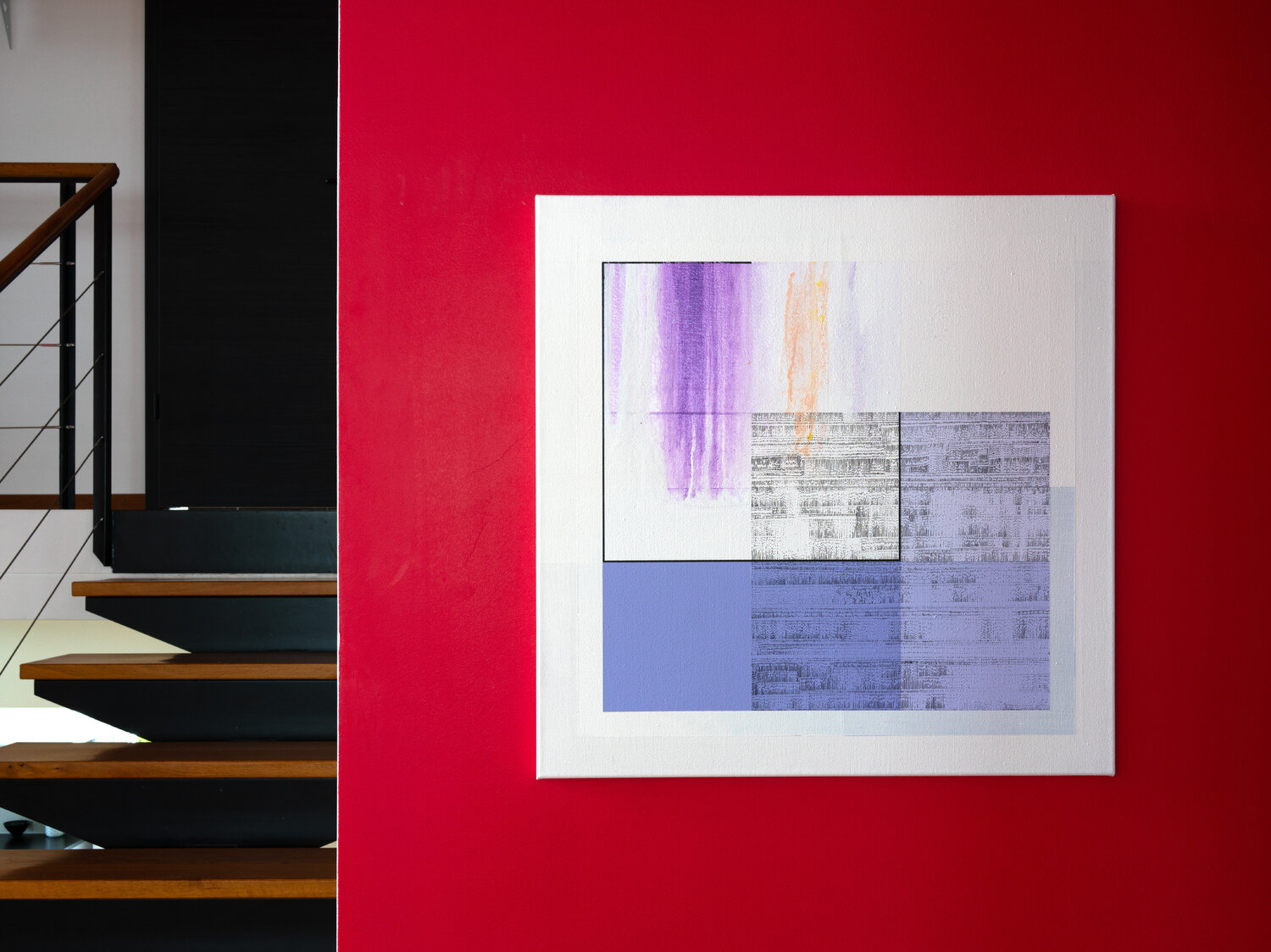
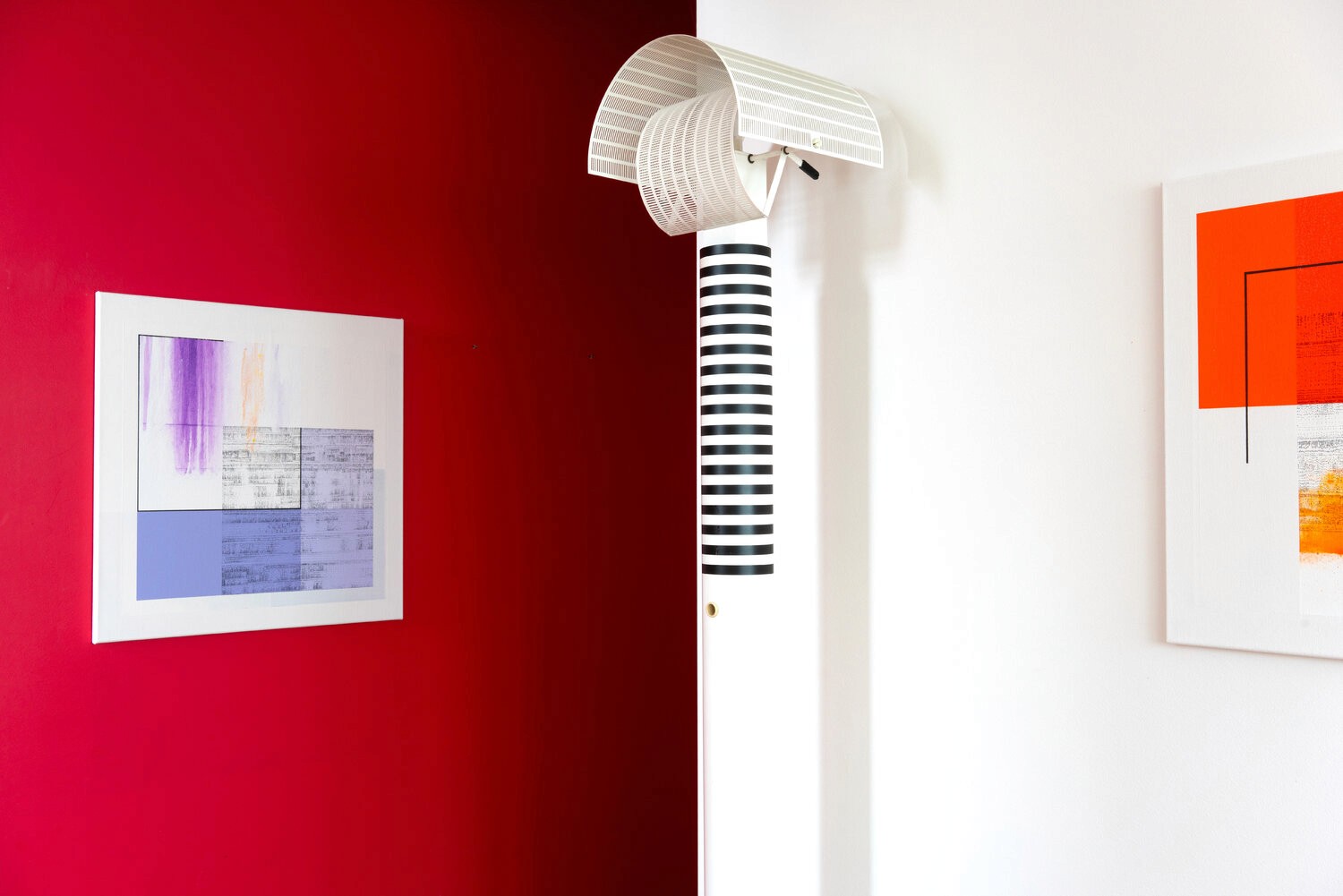
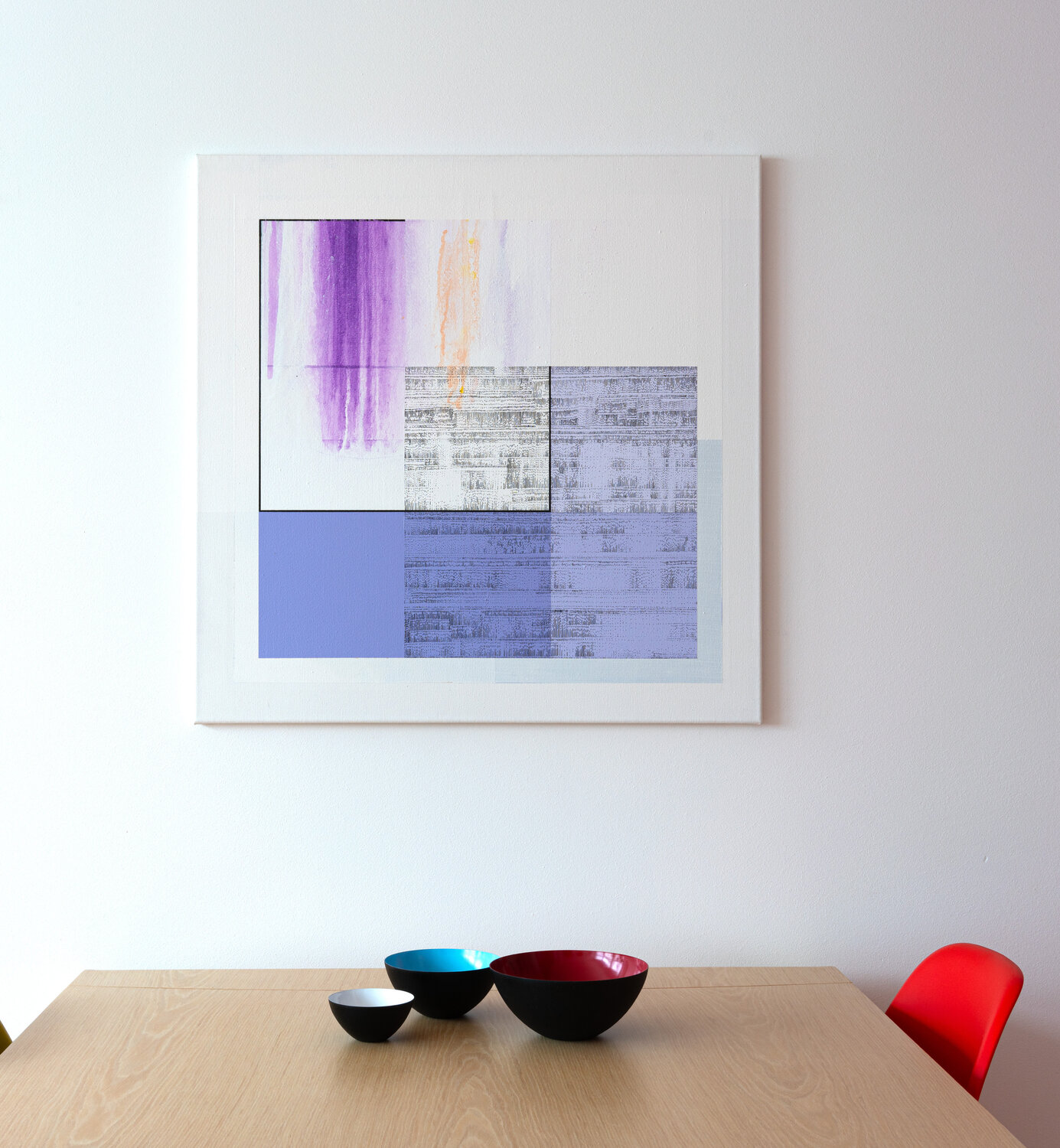
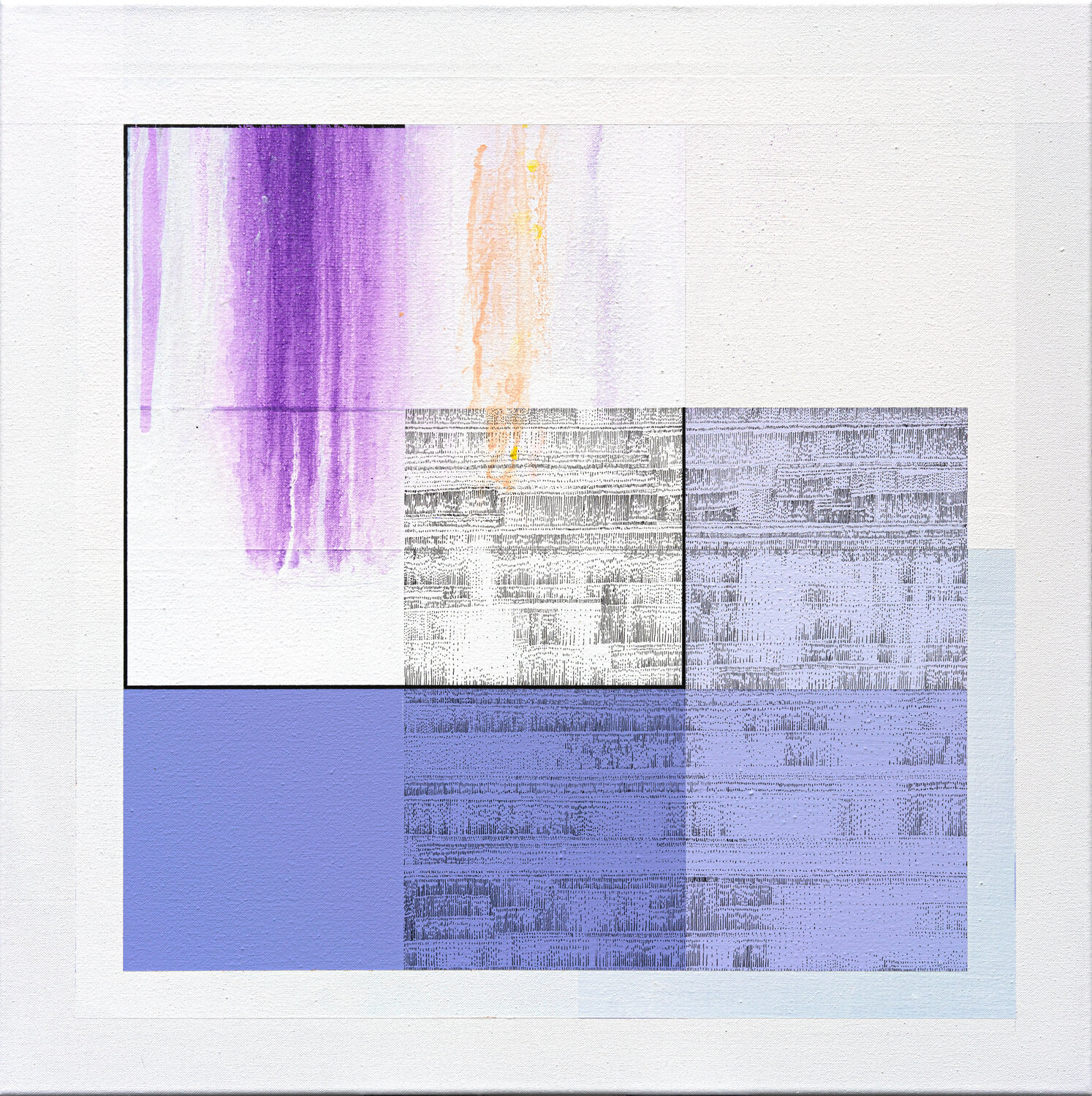
The primary painterly gesture is one of structure: rectangles and a black line forming a square that divides the canvas into distinct zones. It is a fragmented surface. The eye does not move freely; it stumbles, pauses, then moves on. The painting echoes Bille’s words: something stands between the viewer and the world.
The mist: the textured areas.
The central and lower sections are covered in a dense, graphic texture created with a paint marker in a spontaneous burst of improvisation. This graphic zone evokes condensation—breath gathered on a cold windowpane. It is mist made visible: neither fully opaque nor transparent, it blurs without erasing. One senses a presence in the background without being able to identify it. This captures the poem’s sensory "in-between" state: the world’s presence is certain, yet access to it remains uncertain.
On the glass, condensation separates me from the world; it is in this intermediate space—neither fully outside nor fully inside—that the artwork comes to life.
Send feedback
Envoyer des commentaires