Take It To The Limit
,
2026
Patrick Piccinelli
Take It To The Limit
2026
Acrylic paint, collage on paper, sold without frame
Acrylic paint, collage on paper, sold without frame
50
50
X
X
65
65
Available
€
1,600
shipping worldwide included
Add to card
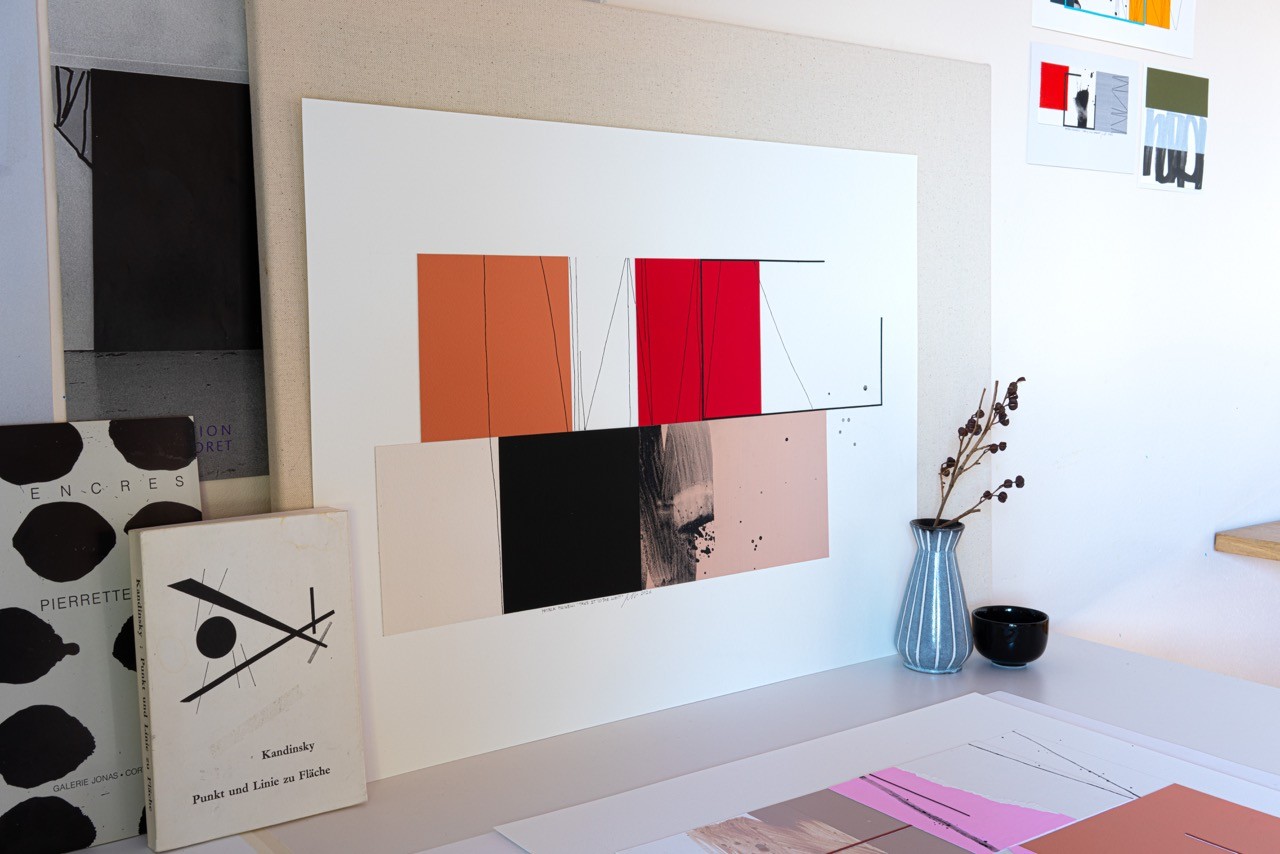
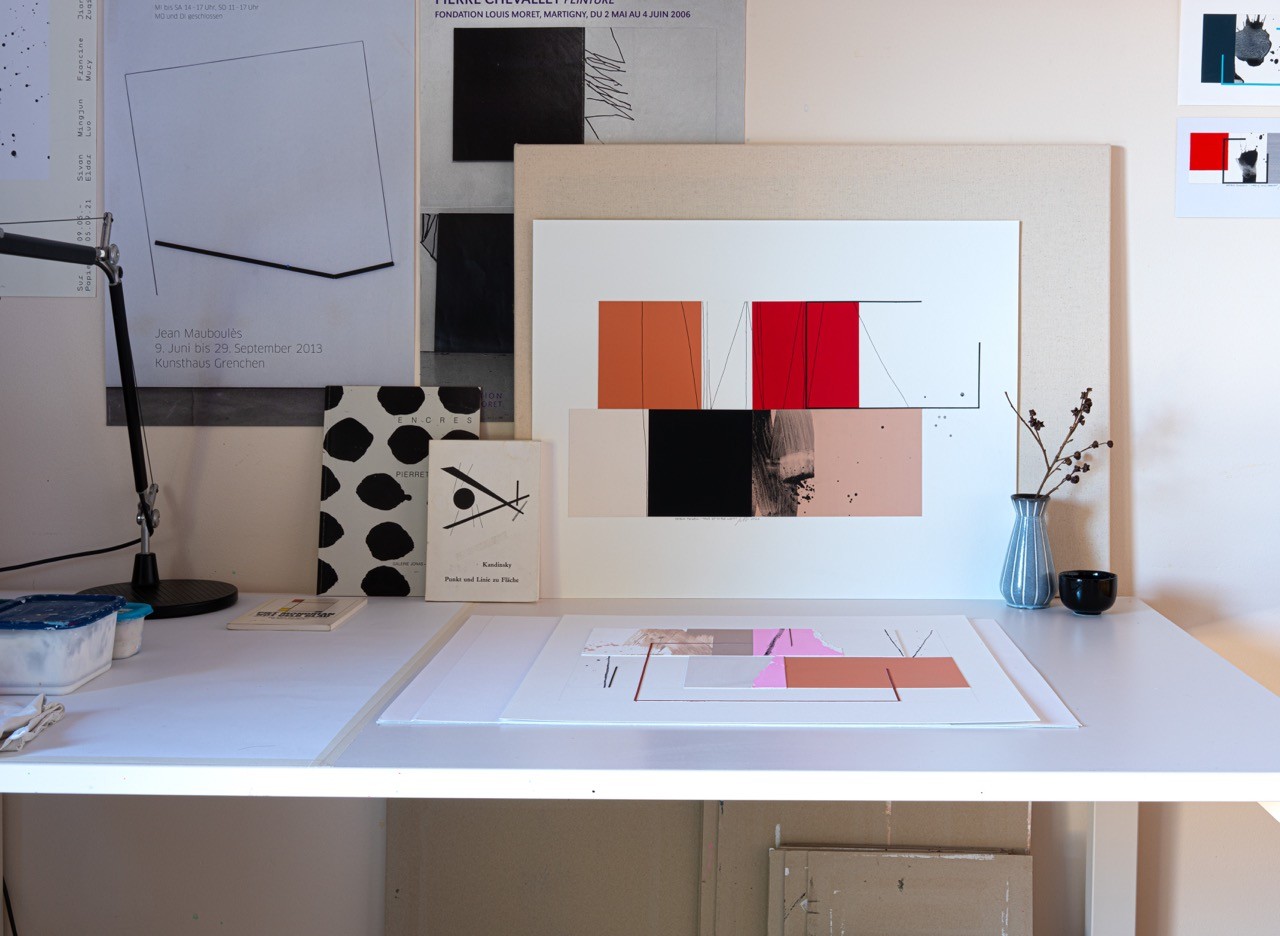
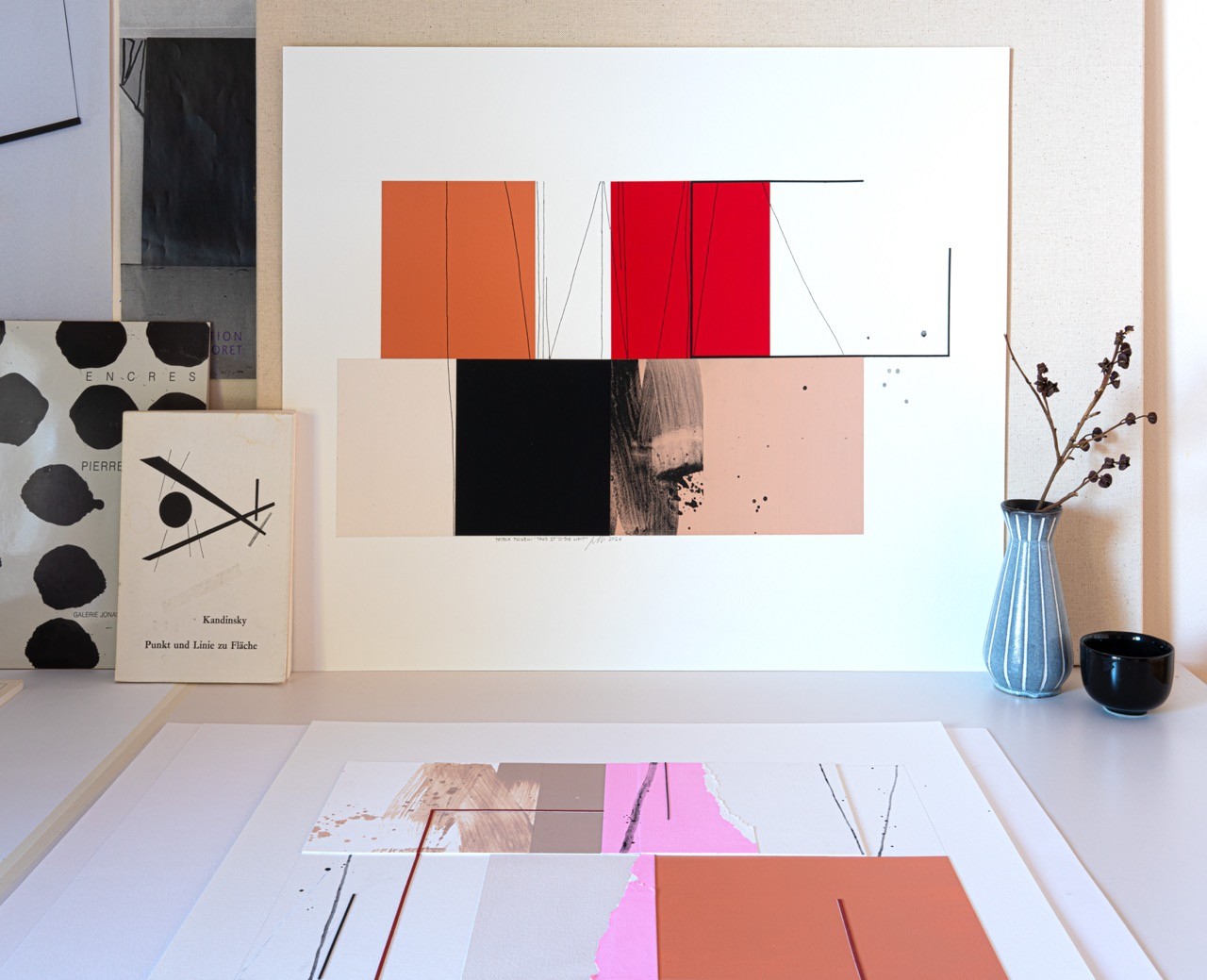
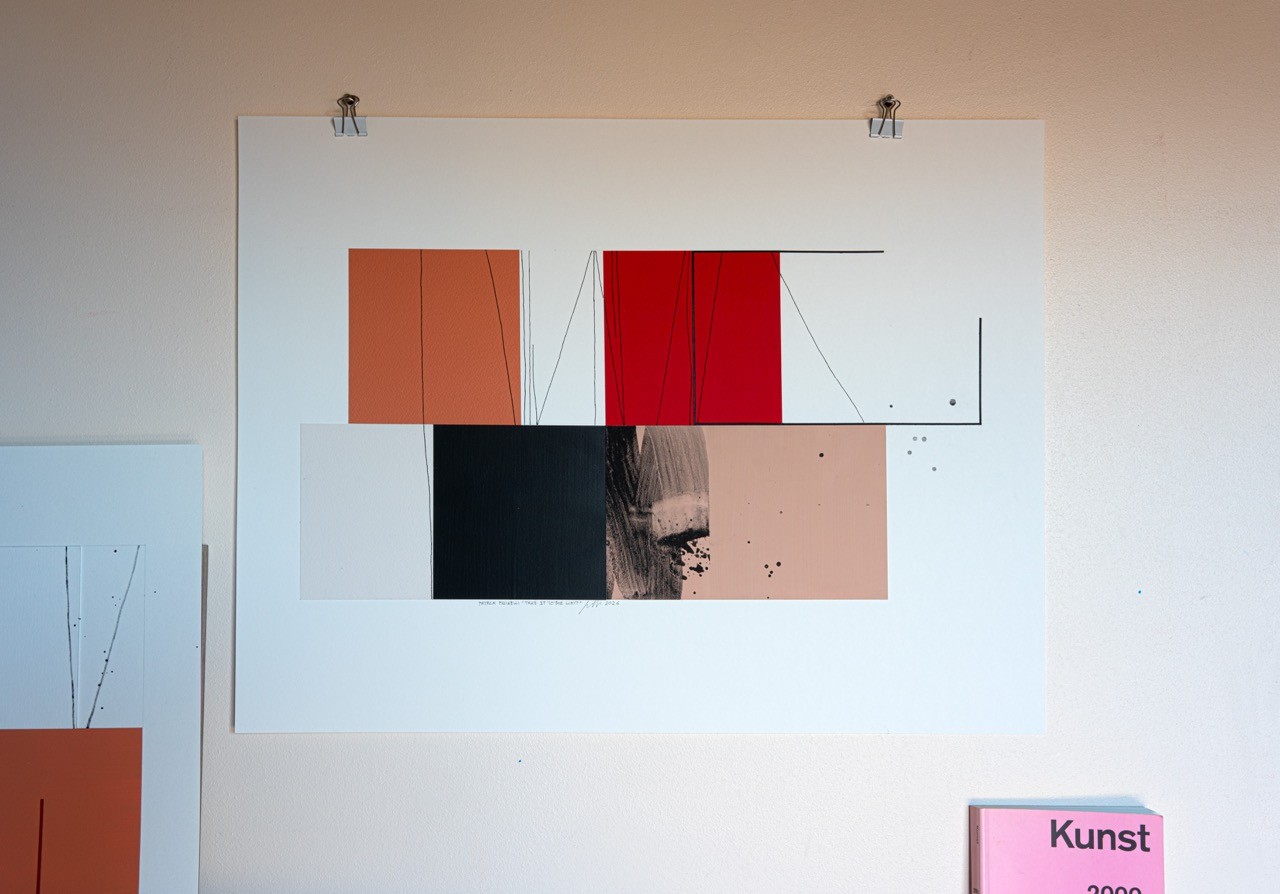
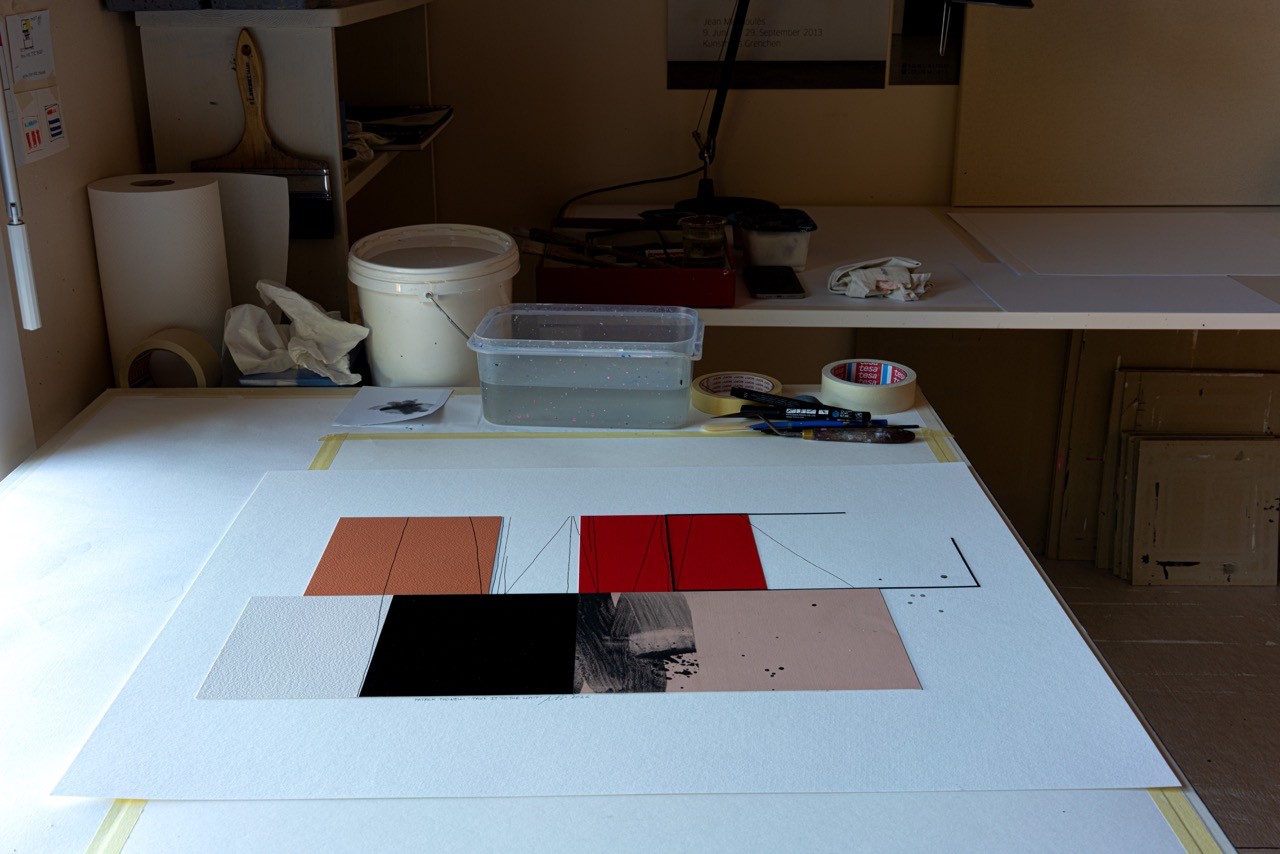
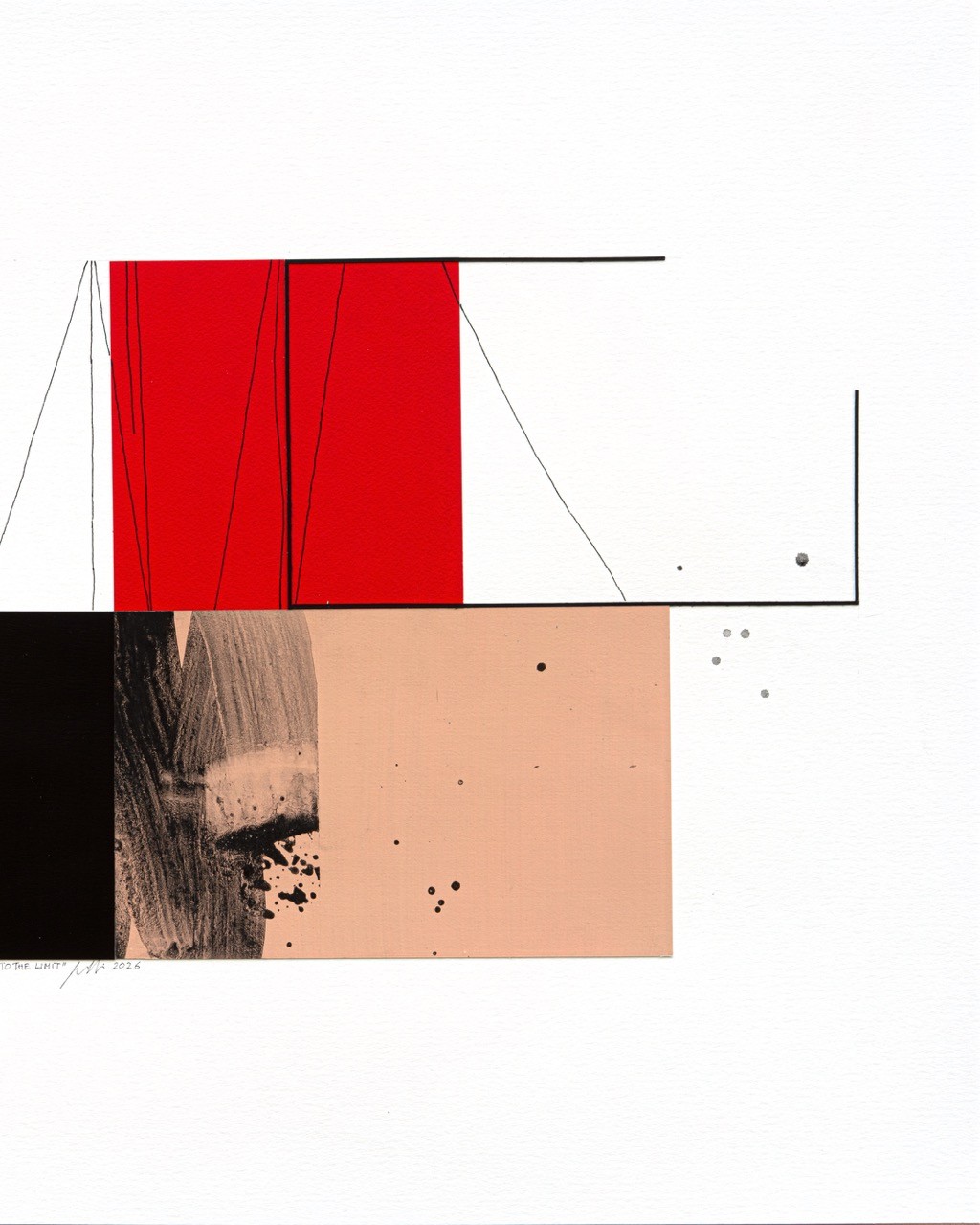
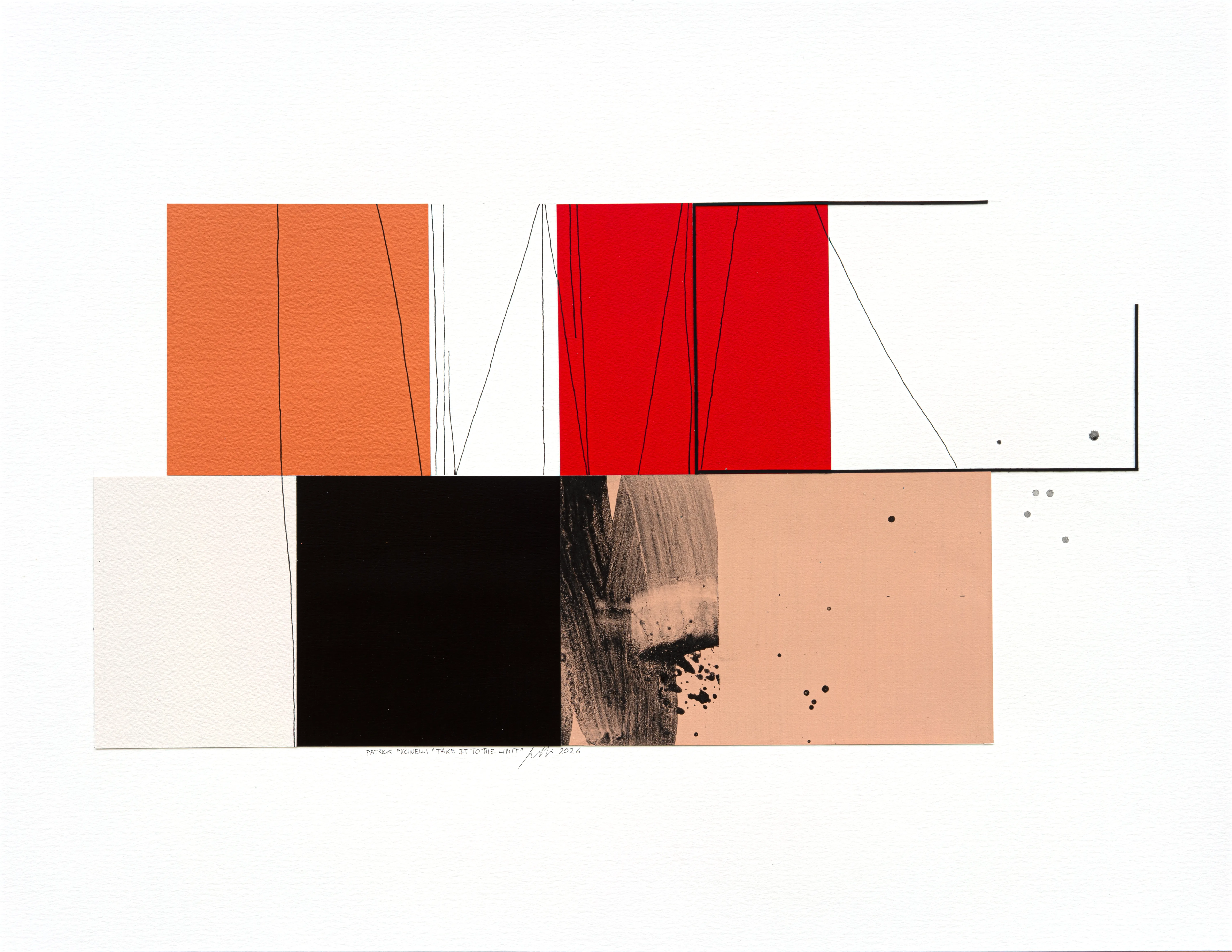
This work on Arches paper is titled “Take It To The Limit,” after a song by Etta James, a singer who inspires me greatly. I have established visual connections between my work and the song “Take It To The Limit” from her 1978 album, “Deep In The Night.”
To understand the connections between this painting “Take It To The Limit,” inspired by Etta James’s music, one must engage in a sensitive, almost synesthetic reading: seeing the music and hearing the painting. My painting does not seek classical harmony, but a coexistence of tensions—exactly like Etta’s interpretation of her song “Take It To The Limit.”
In both the song and the painting, there is a central idea: to hold on, to push, to resist. Etta James stretches her voice to the breaking point; as a painter, I stretch the composition to the point of imbalance.
As with Etta James, it’s not about formal perfection, but about reaching a raw emotional truth.
Etta James’s song begins with this soft, hushed, almost melancholic tone, carried by an electric piano and a understated bass line.
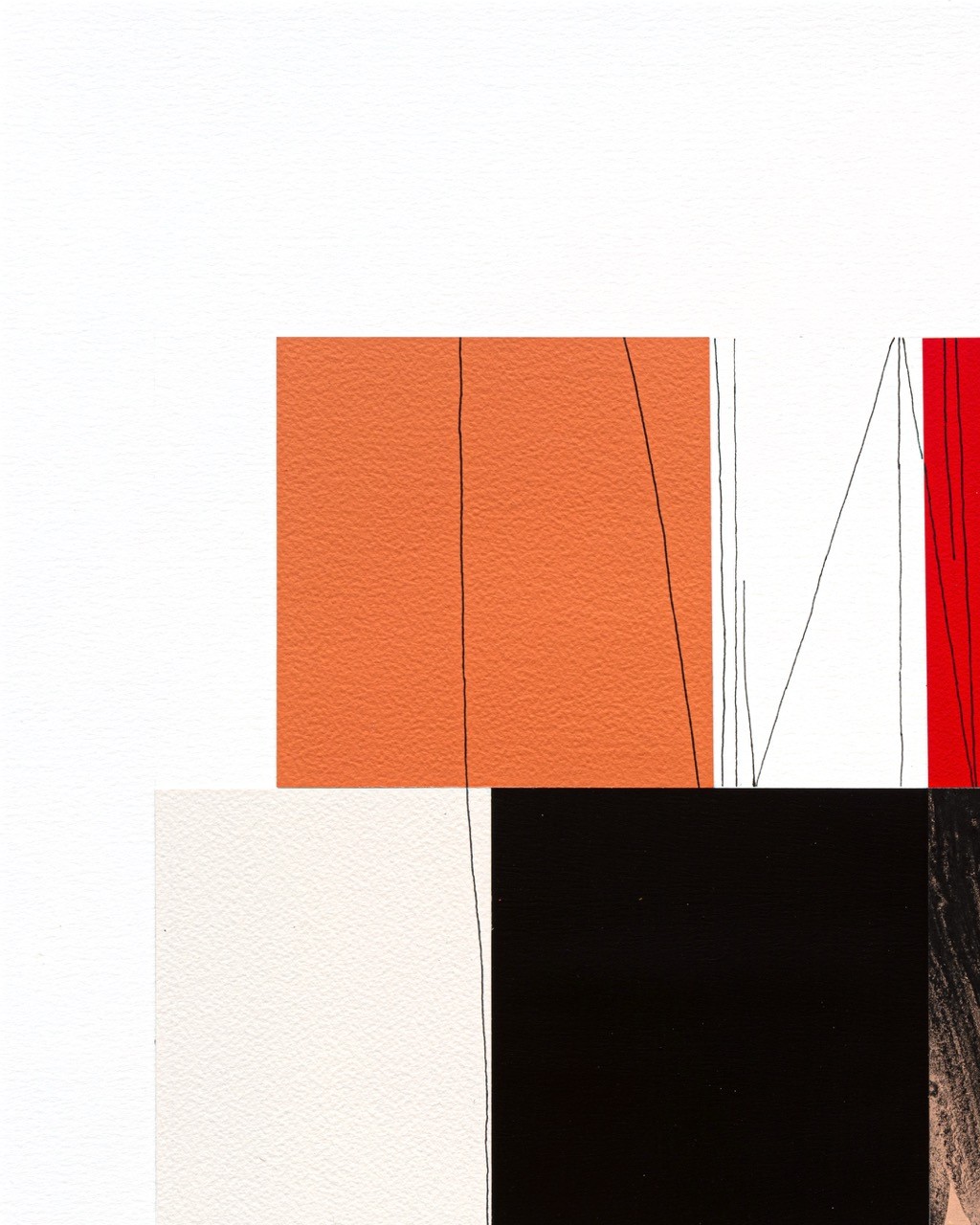
In my work: The beige block and the white square on the left serve as this introduction. It is a stable, textured foundation that anchors the composition. But very quickly, a deep black emerges, like the first low notes of her voice that command immediate authority.
The Tension of Lines: “Pushing the Limits”
The title itself suggests pushing oneself to the limit, pushing to the edge of what is bearable or possible.
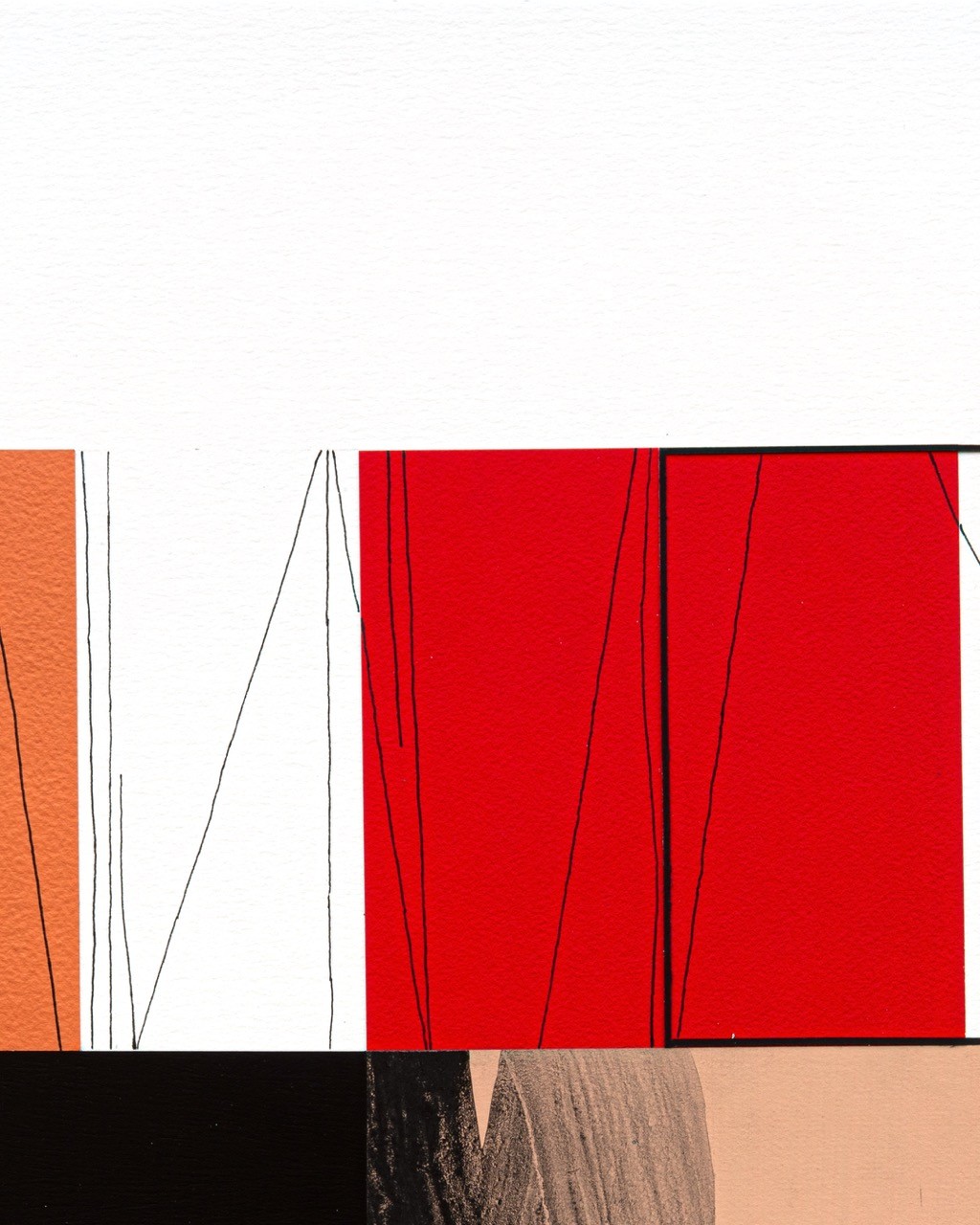
Thread-like Lines: These black lines that cut through your blocks of color are not static. They vibrate. Some are straight, others waver slightly, like Etta’s vibrato when she holds a note on the verge of breaking.
The Great Escape: On the right side of the canvas, the lines break free from the colored blocks to venture into the emptiness of the white paper. This is exactly the moment in the song when she departs from the lyrics for improvised vocal flourishes, seeking the limits of her own vocal range.
This work on Arches paper is titled “Take It To The Limit,” after a song by Etta James, a singer who inspires me greatly. I have established visual connections between my work and the song “Take It To The Limit” from her 1978 album, “Deep In The Night.”
To understand the connections between this painting “Take It To The Limit,” inspired by Etta James’s music, one must engage in a sensitive, almost synesthetic reading: seeing the music and hearing the painting. My painting does not seek classical harmony, but a coexistence of tensions—exactly like Etta’s interpretation of her song “Take It To The Limit.”
In both the song and the painting, there is a central idea: to hold on, to push, to resist. Etta James stretches her voice to the breaking point; as a painter, I stretch the composition to the point of imbalance.
As with Etta James, it’s not about formal perfection, but about reaching a raw emotional truth.
Etta James’s song begins with this soft, hushed, almost melancholic tone, carried by an electric piano and a understated bass line.
In my work: The beige block and the white square on the left serve as this introduction. It is a stable, textured foundation that anchors the composition. But very quickly, a deep black emerges, like the first low notes of her voice that command immediate authority.
The Tension of Lines: “Pushing the Limits”
The title itself suggests pushing oneself to the limit, pushing to the edge of what is bearable or possible.
Thread-like Lines: These black lines that cut through your blocks of color are not static. They vibrate. Some are straight, others waver slightly, like Etta’s vibrato when she holds a note on the verge of breaking.
The Great Escape: On the right side of the canvas, the lines break free from the colored blocks to venture into the emptiness of the white paper. This is exactly the moment in the song when she departs from the lyrics for improvised vocal flourishes, seeking the limits of her own vocal range.