Dance V
,
2026
Patrick Piccinelli
Dance V
2026
Acrylic paint, pigment, ink on paper, sold without frame
Acrylic paint, pigment, ink on paper, sold without frame
50
50
X
X
65
65
Available
€
1,600
shipping worldwide included
Add to card
This work on paper is inspired by Philip Glass’s musical piece “Dance V.”
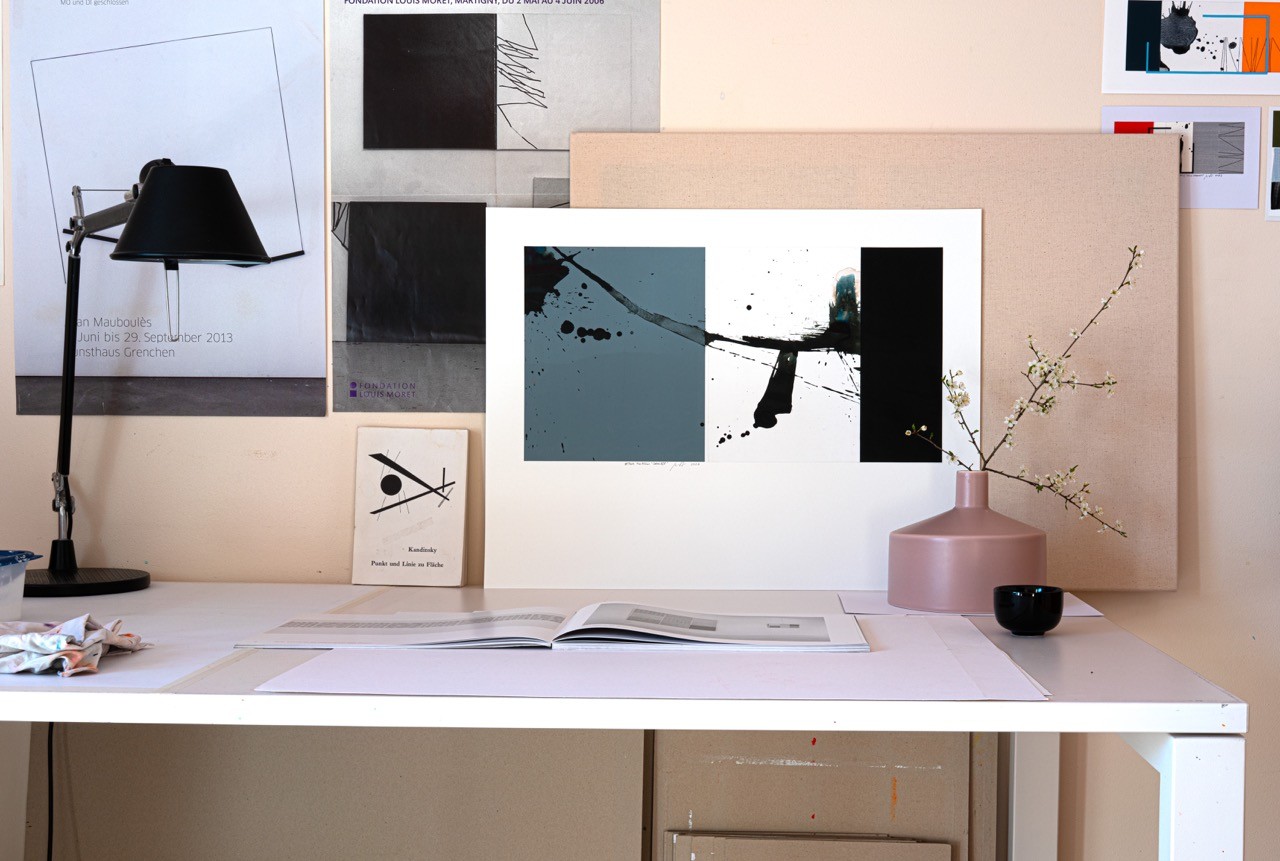
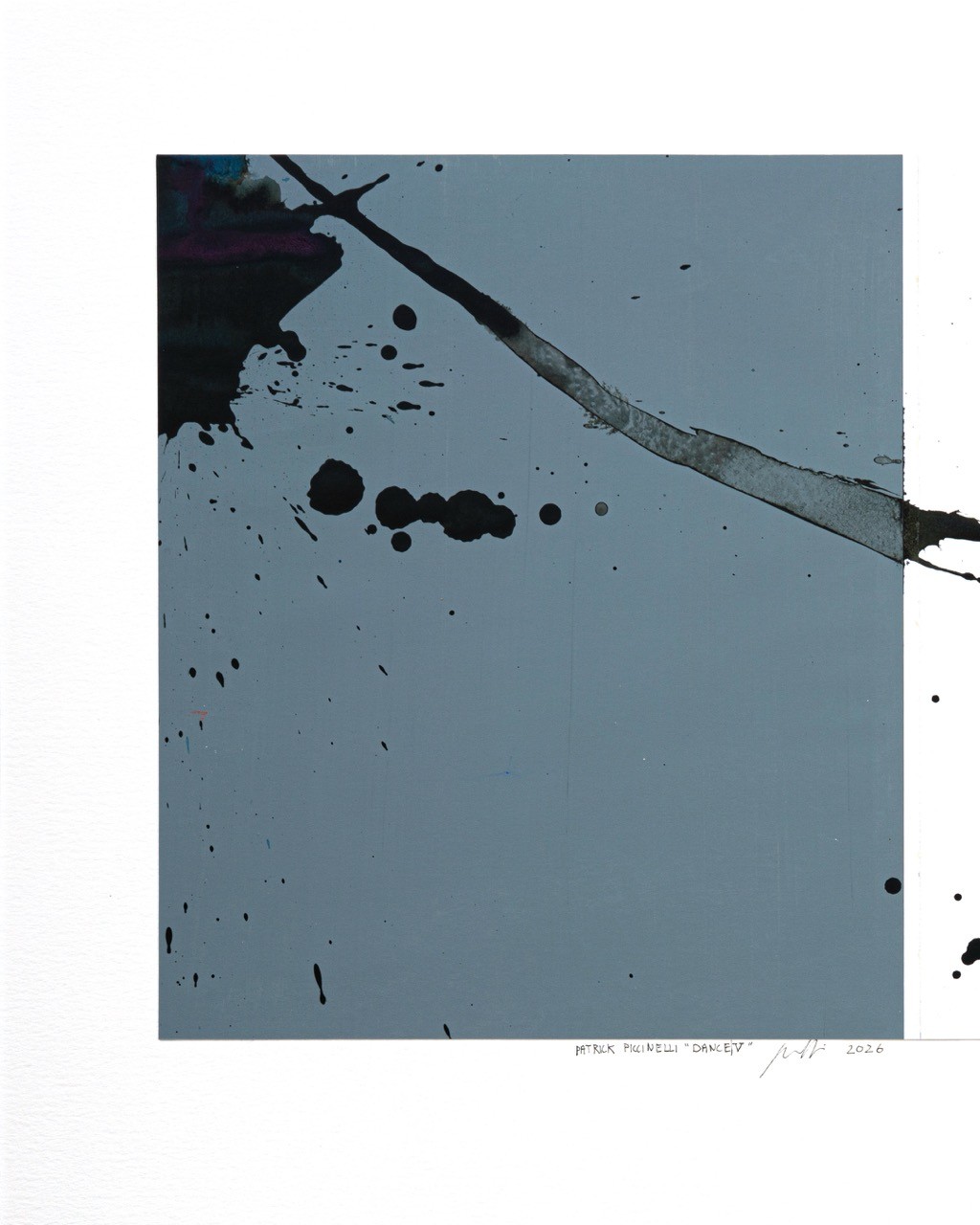
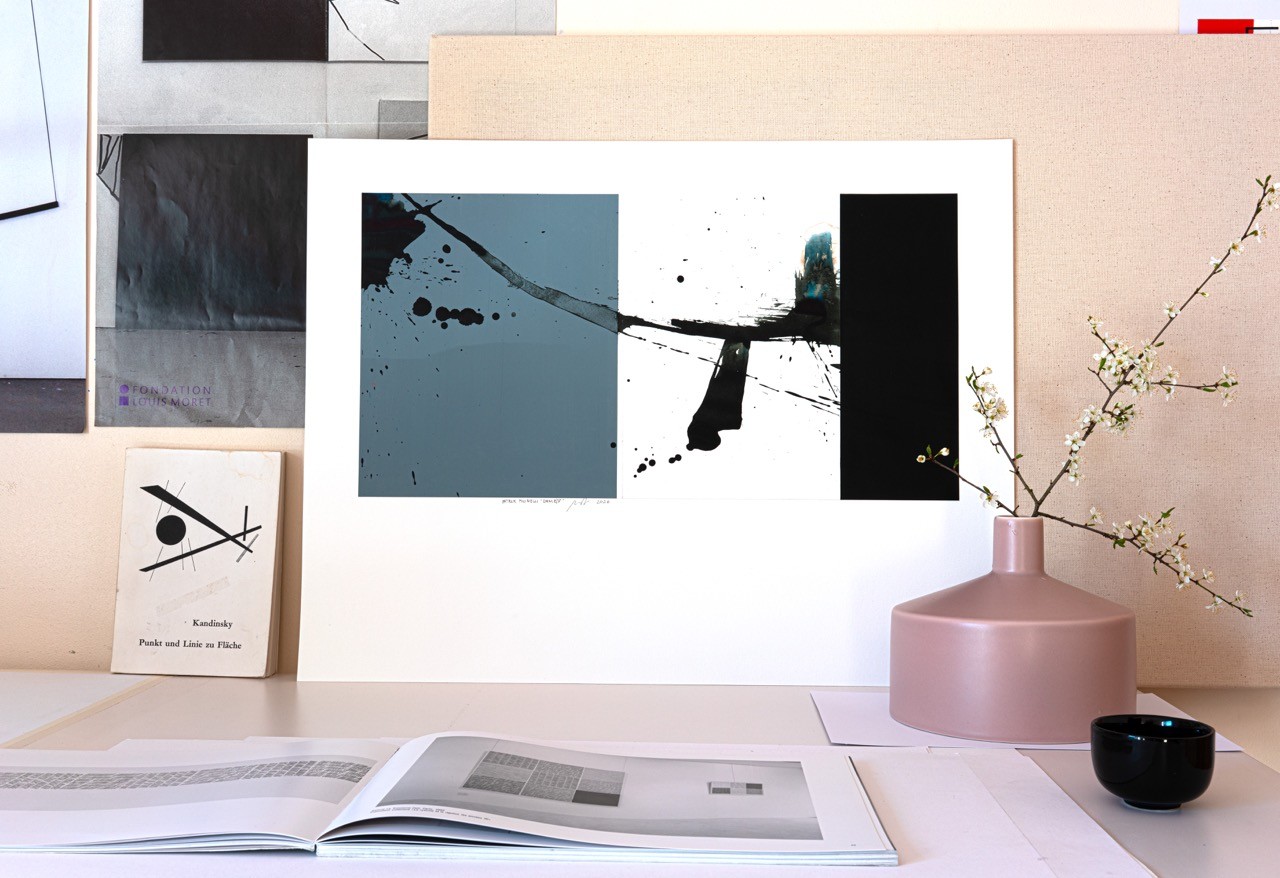
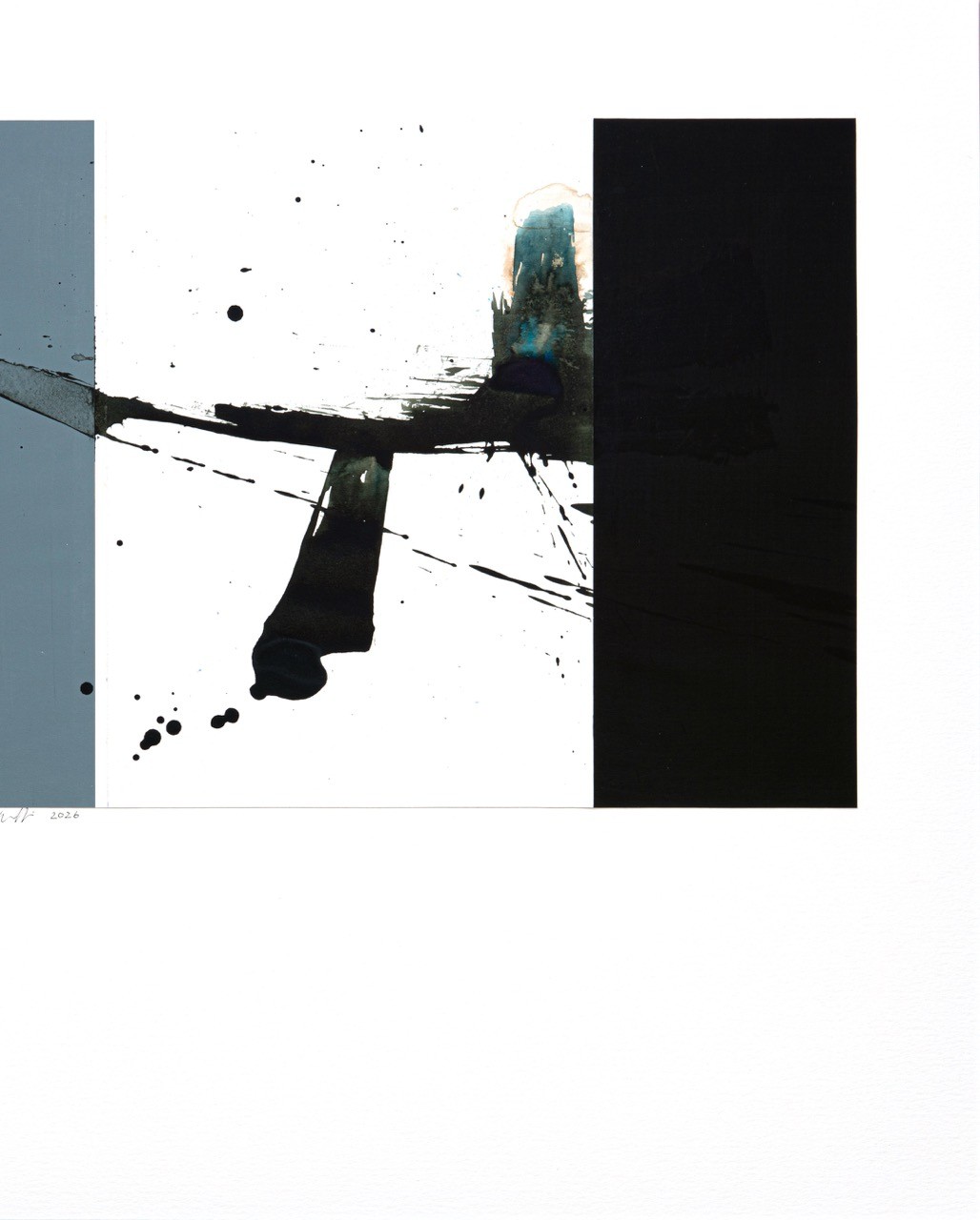
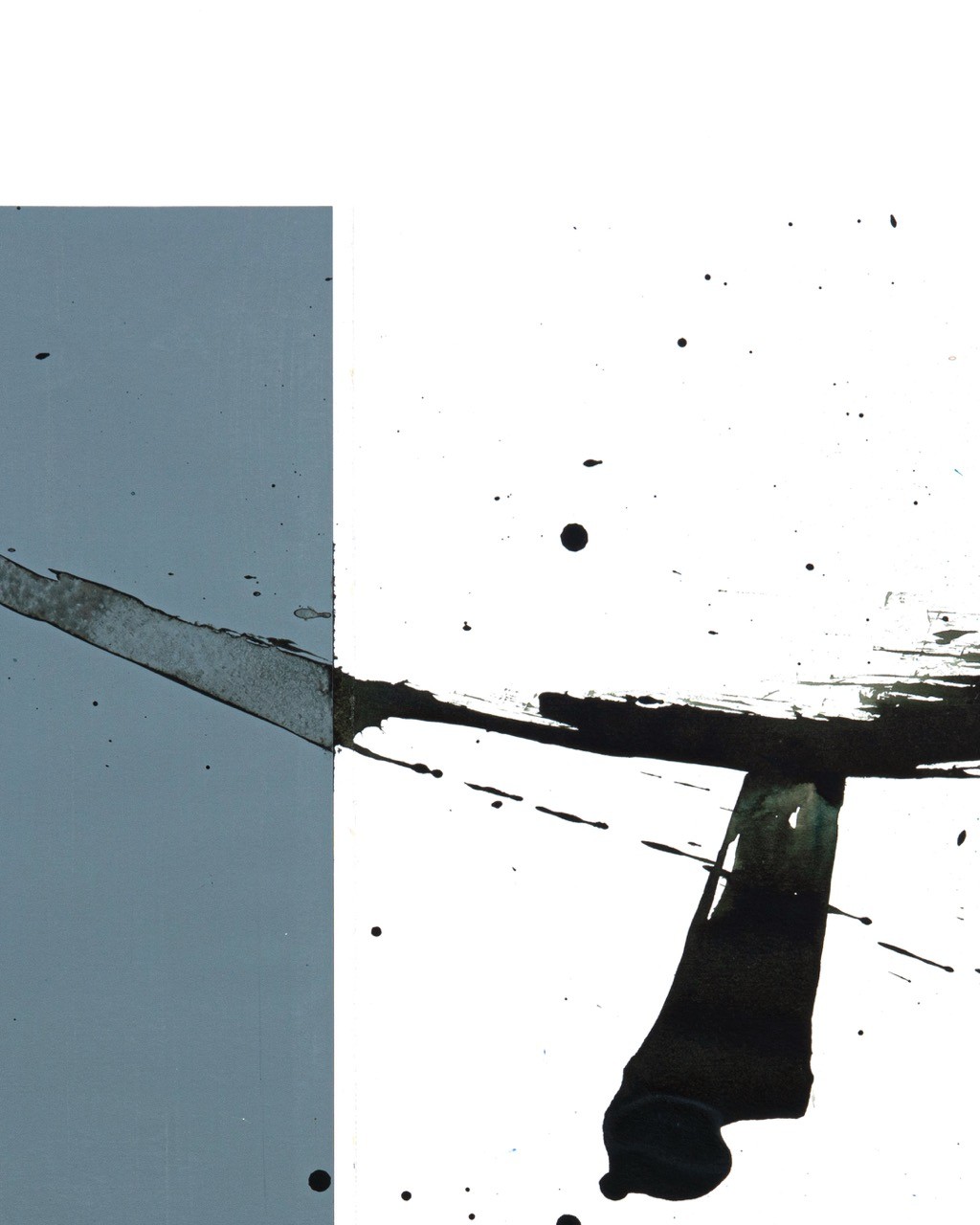
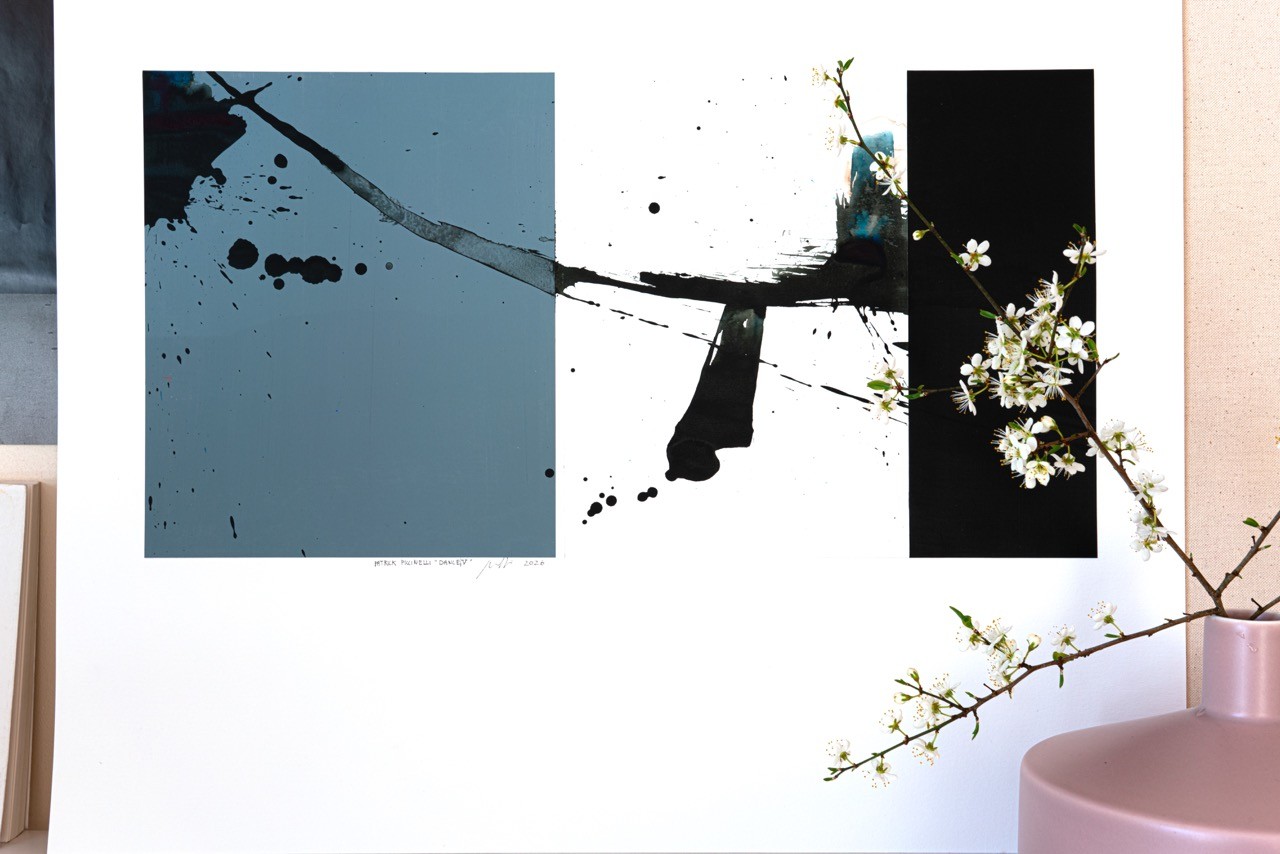
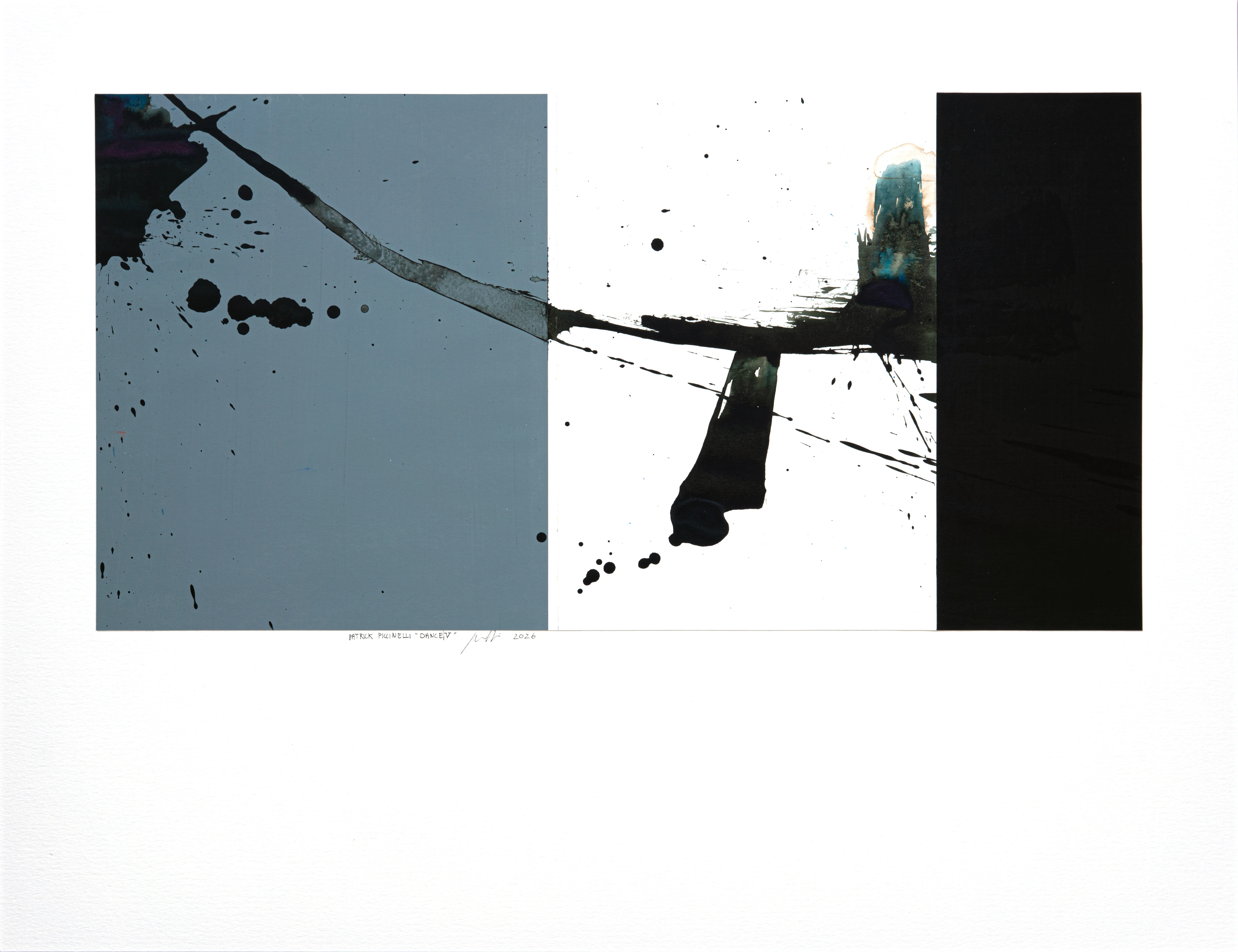
My composition is based on three main sections. This three-part structure directly evokes the way Philip Glass constructs “Dance No. 5”—a piece built on repeated rhythmic cells that interlock, creating areas of varying density, like distinct yet interconnected sound chambers.
The central white space is not a void. It is pierced, splattered, and streaked with small splashes of ink—micro-events that punctuate the surface like Glass’s inhabited silences. In Dance V, the silences are never neutral: they are charged with the resonance of the preceding notes. Similarly, every drop of ink on the white bears the memory of the gesture that projected it.
In Glass’s piece, Dance V ends with a gradual ascent toward something that resembles less a resolution than a dissolution into density. I translate this visually: the diagonal line plunges toward that black, as if drawn in. It is not a fall—it is an absorption. What unites the two works, at their core, is the same conviction: movement is not represented; it settles. Glass settles it in time. I settle it on paper. In both cases, Dance V exists as a trace of energy that expresses dance.
This work on paper is inspired by Philip Glass’s musical piece “Dance V.”
My composition is based on three main sections. This three-part structure directly evokes the way Philip Glass constructs “Dance No. 5”—a piece built on repeated rhythmic cells that interlock, creating areas of varying density, like distinct yet interconnected sound chambers.
The central white space is not a void. It is pierced, splattered, and streaked with small splashes of ink—micro-events that punctuate the surface like Glass’s inhabited silences. In Dance V, the silences are never neutral: they are charged with the resonance of the preceding notes. Similarly, every drop of ink on the white bears the memory of the gesture that projected it.
In Glass’s piece, Dance V ends with a gradual ascent toward something that resembles less a resolution than a dissolution into density. I translate this visually: the diagonal line plunges toward that black, as if drawn in. It is not a fall—it is an absorption. What unites the two works, at their core, is the same conviction: movement is not represented; it settles. Glass settles it in time. I settle it on paper. In both cases, Dance V exists as a trace of energy that expresses dance.