Kyoto Poem
,
2025
Patrick Piccinelli
Kyoto Poem
2025
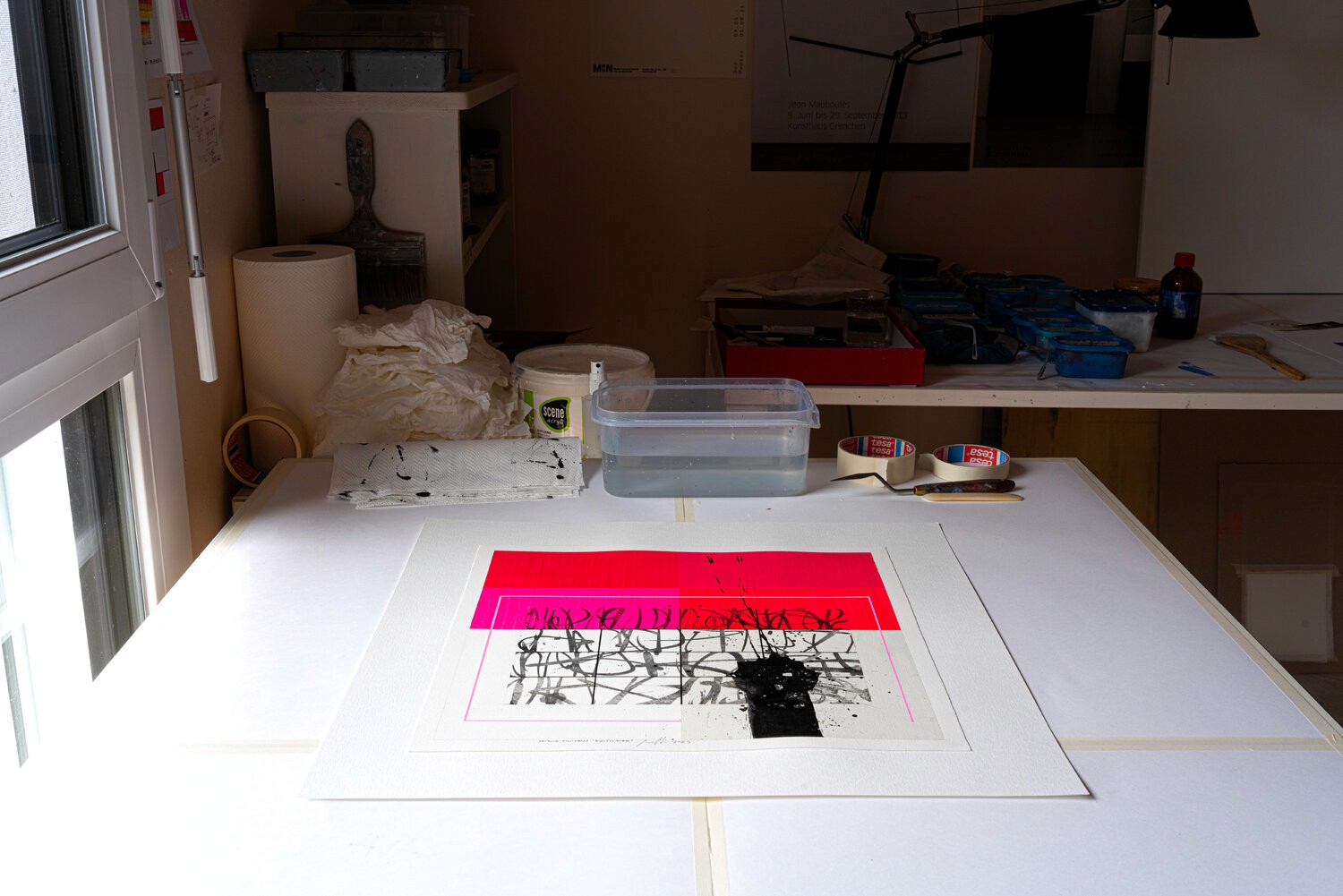
Acrylic, Graffiti on paper, sold without frame
Acrylic, Graffiti on paper, sold without frame
50
50
X
X
50
50
Available
€
1,300
shipping worldwide included
Add to card
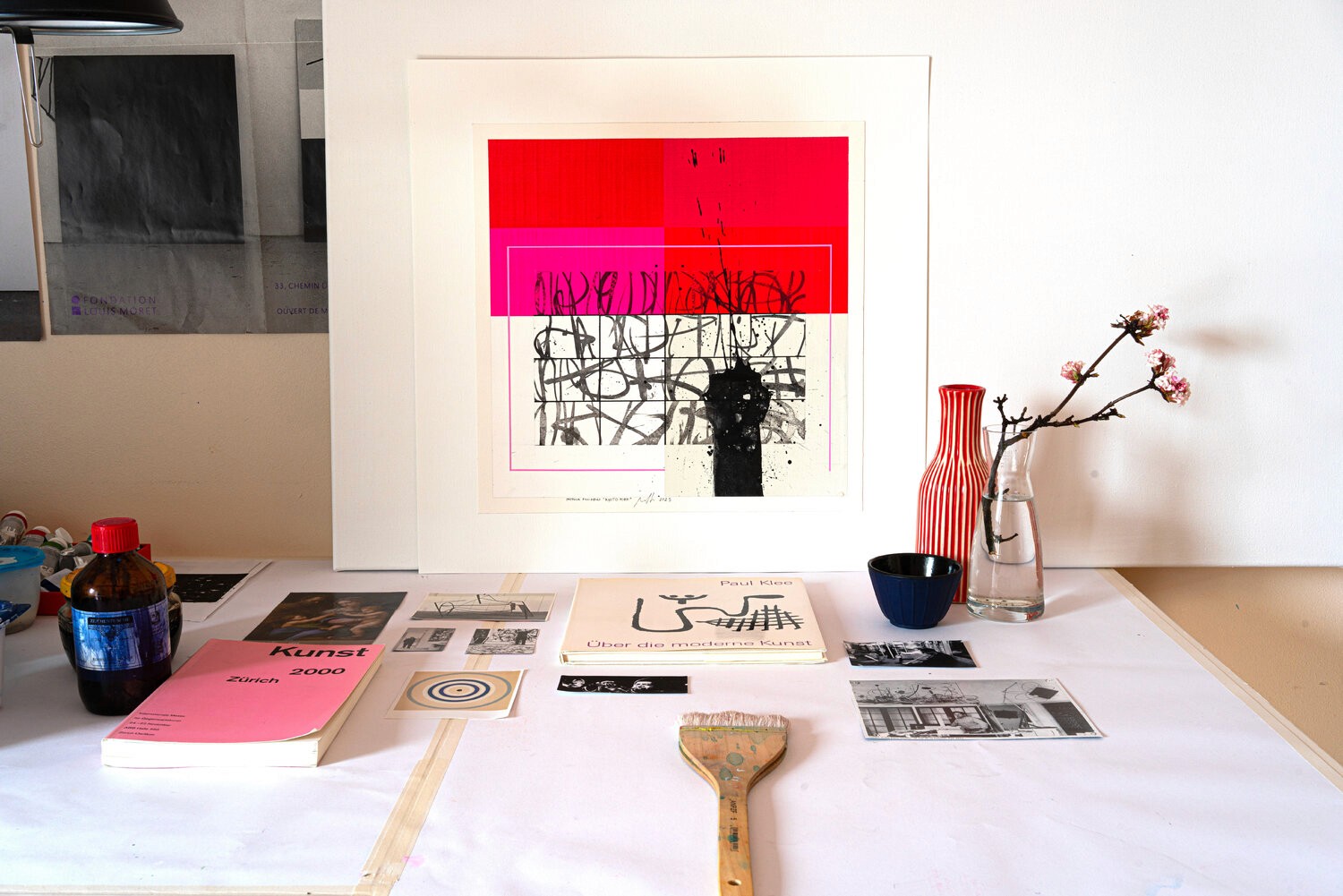
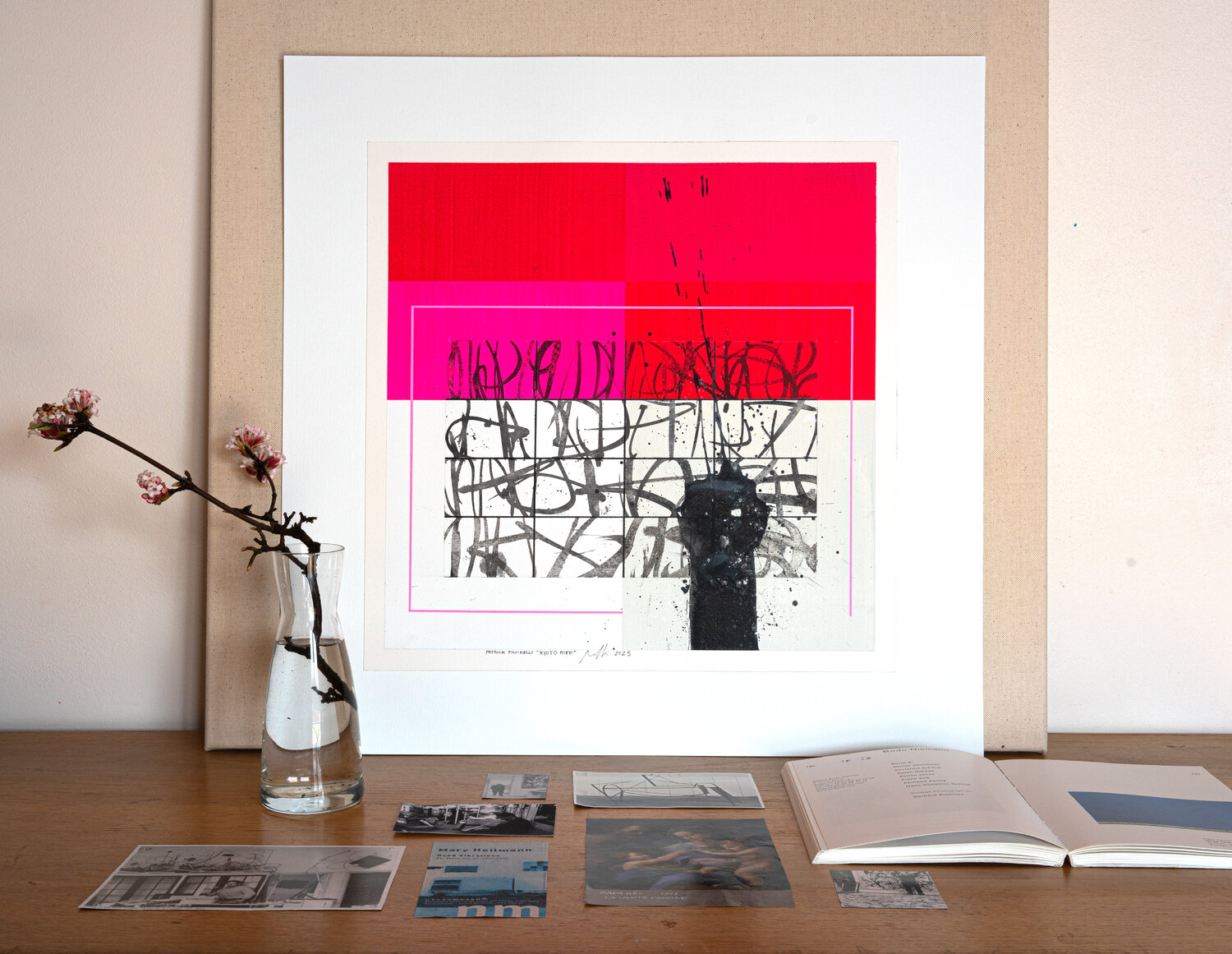
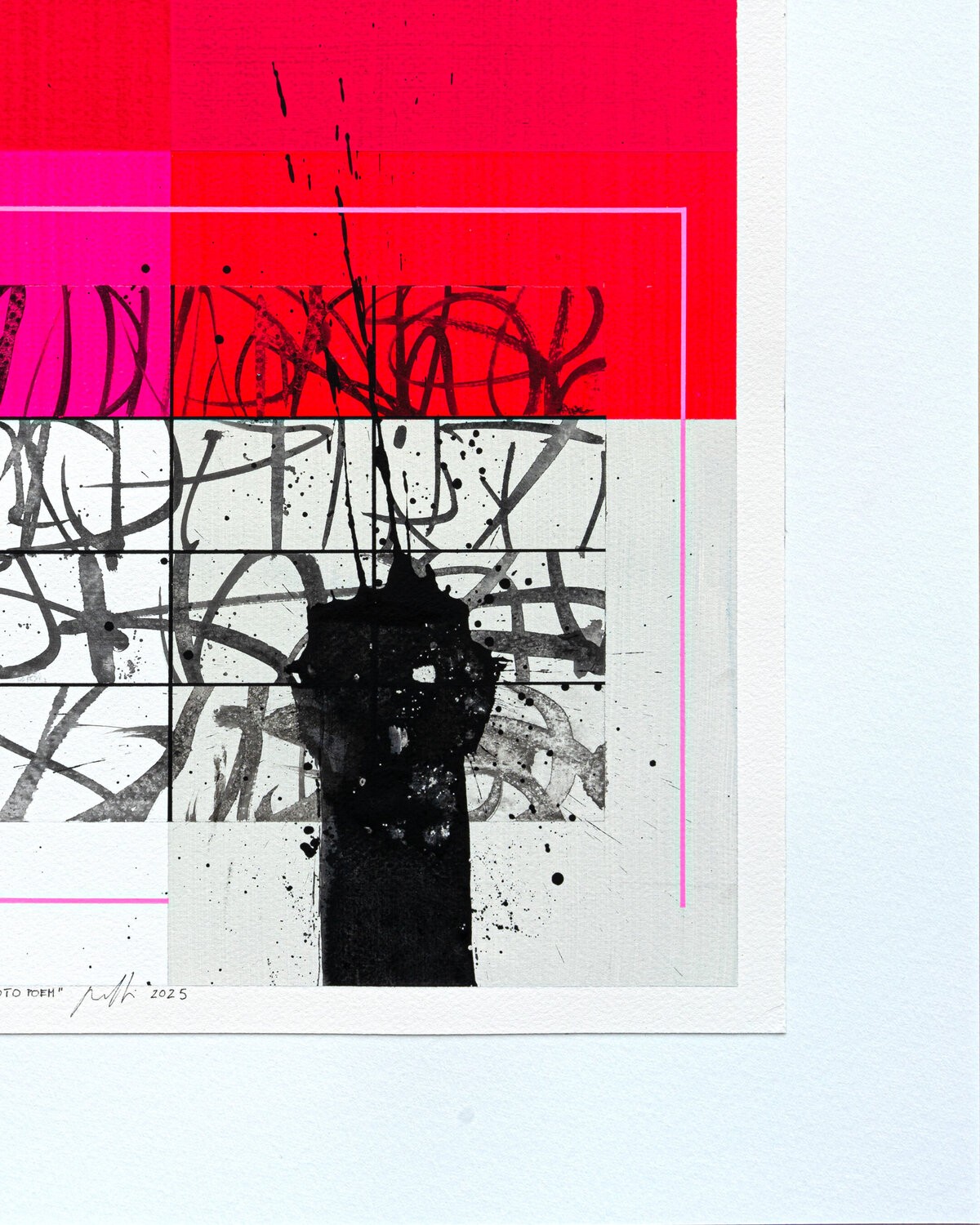
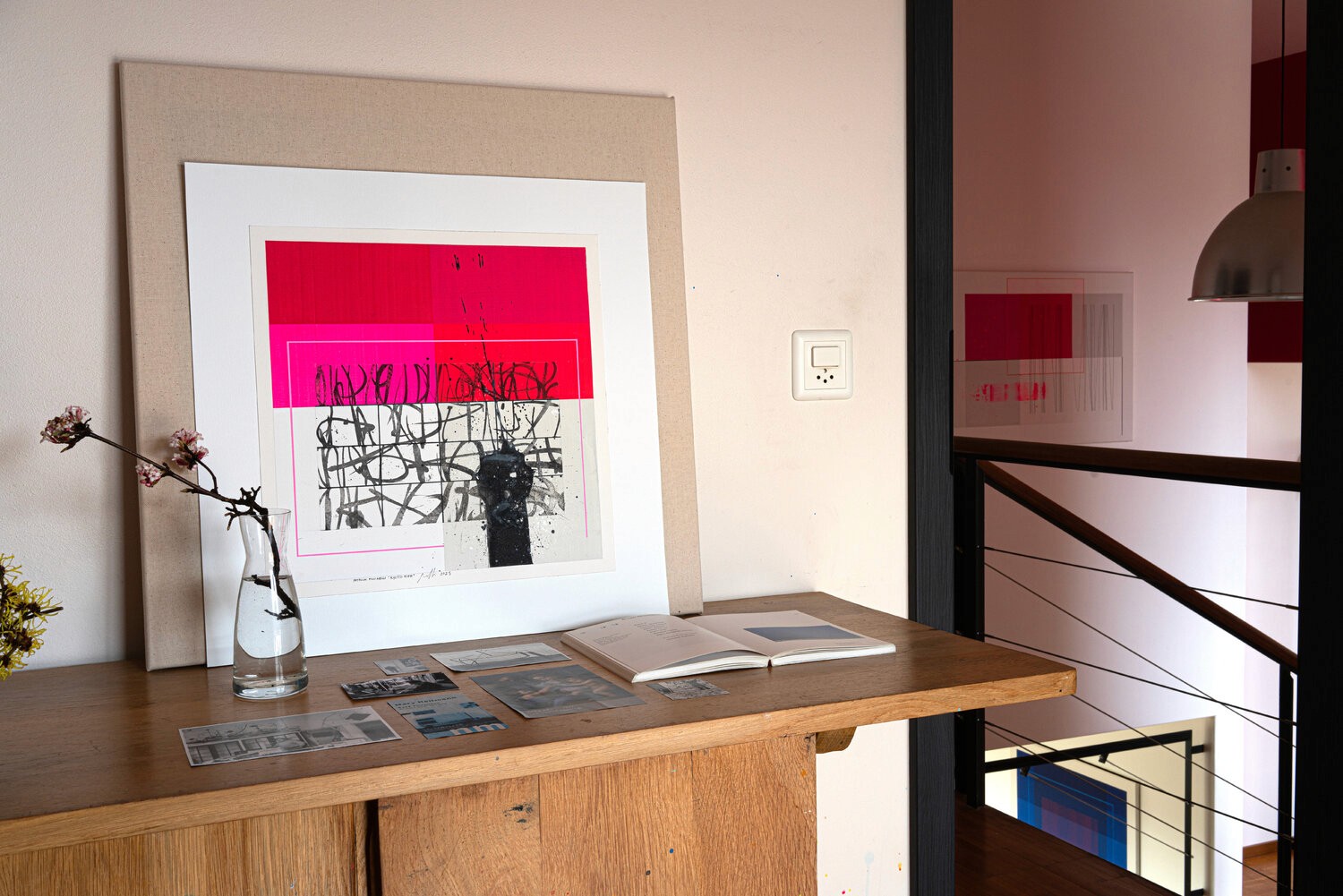
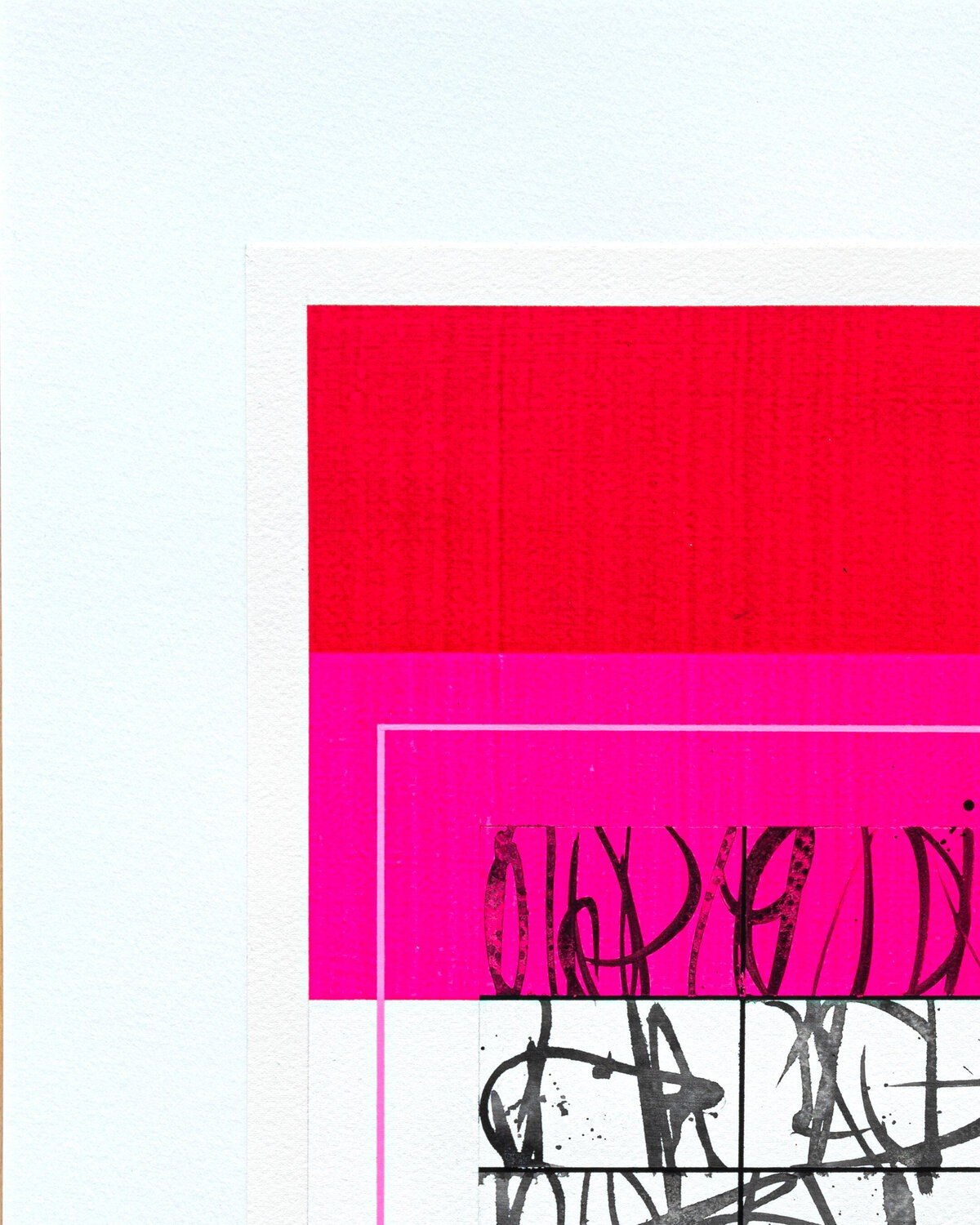
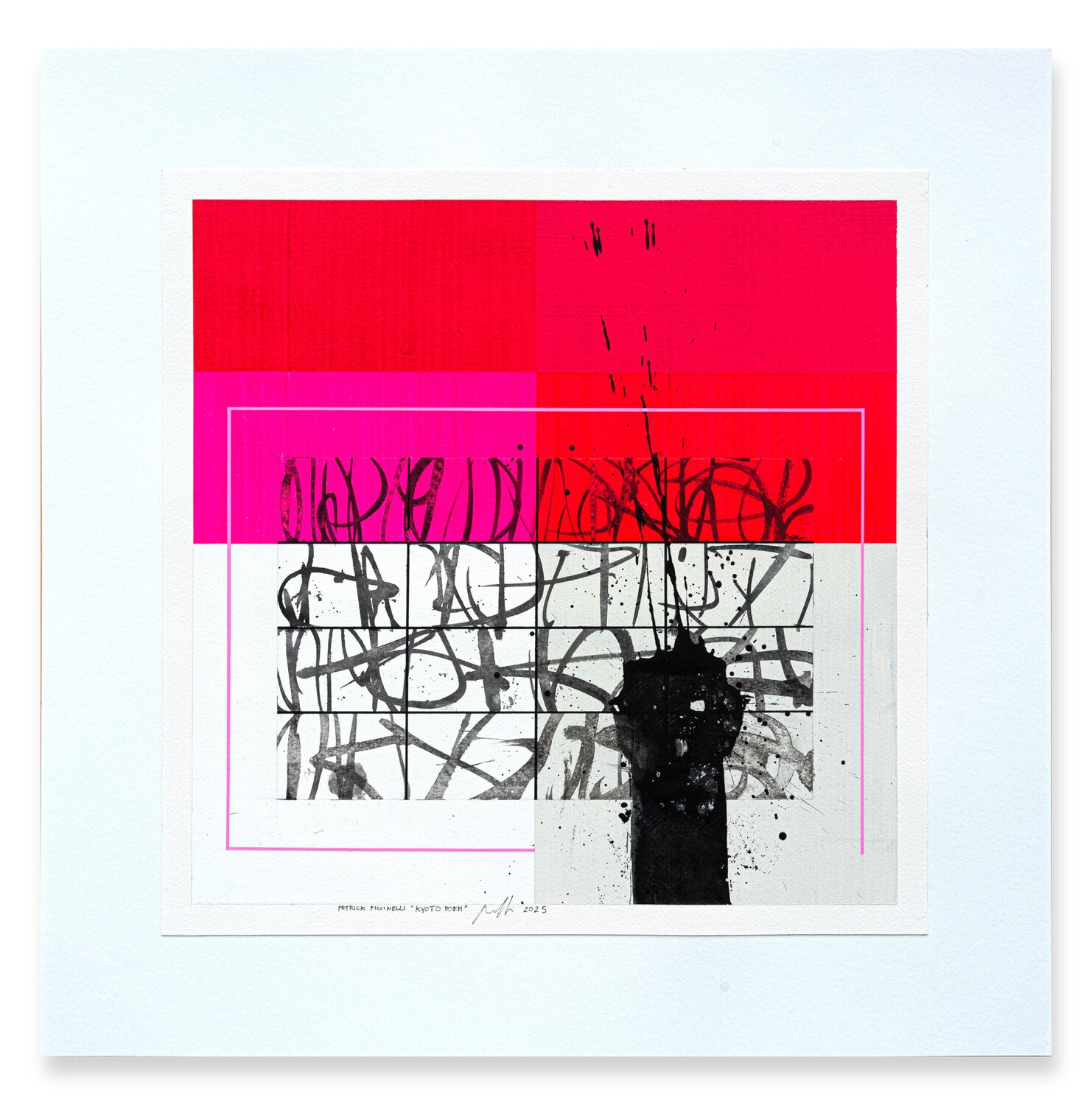
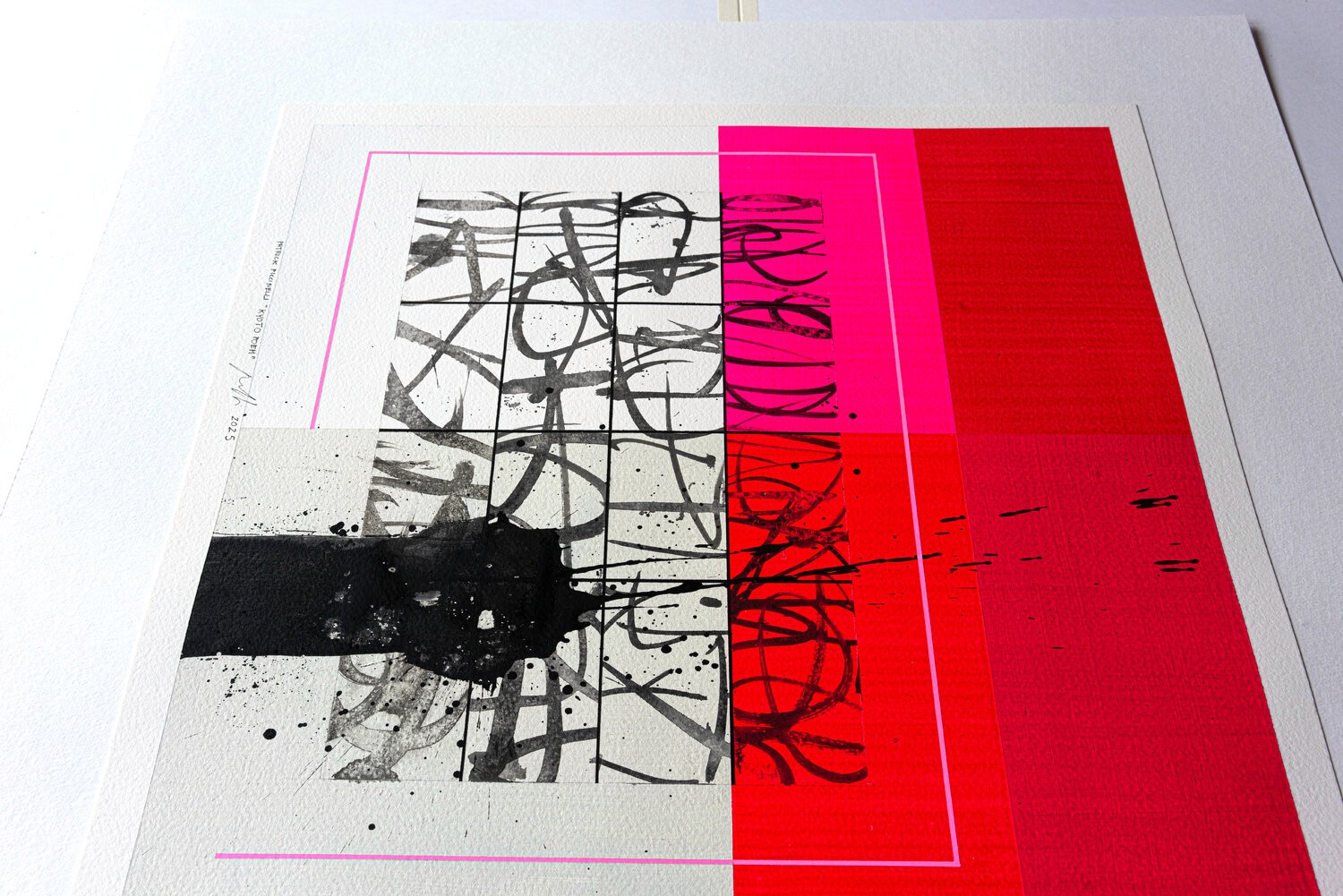
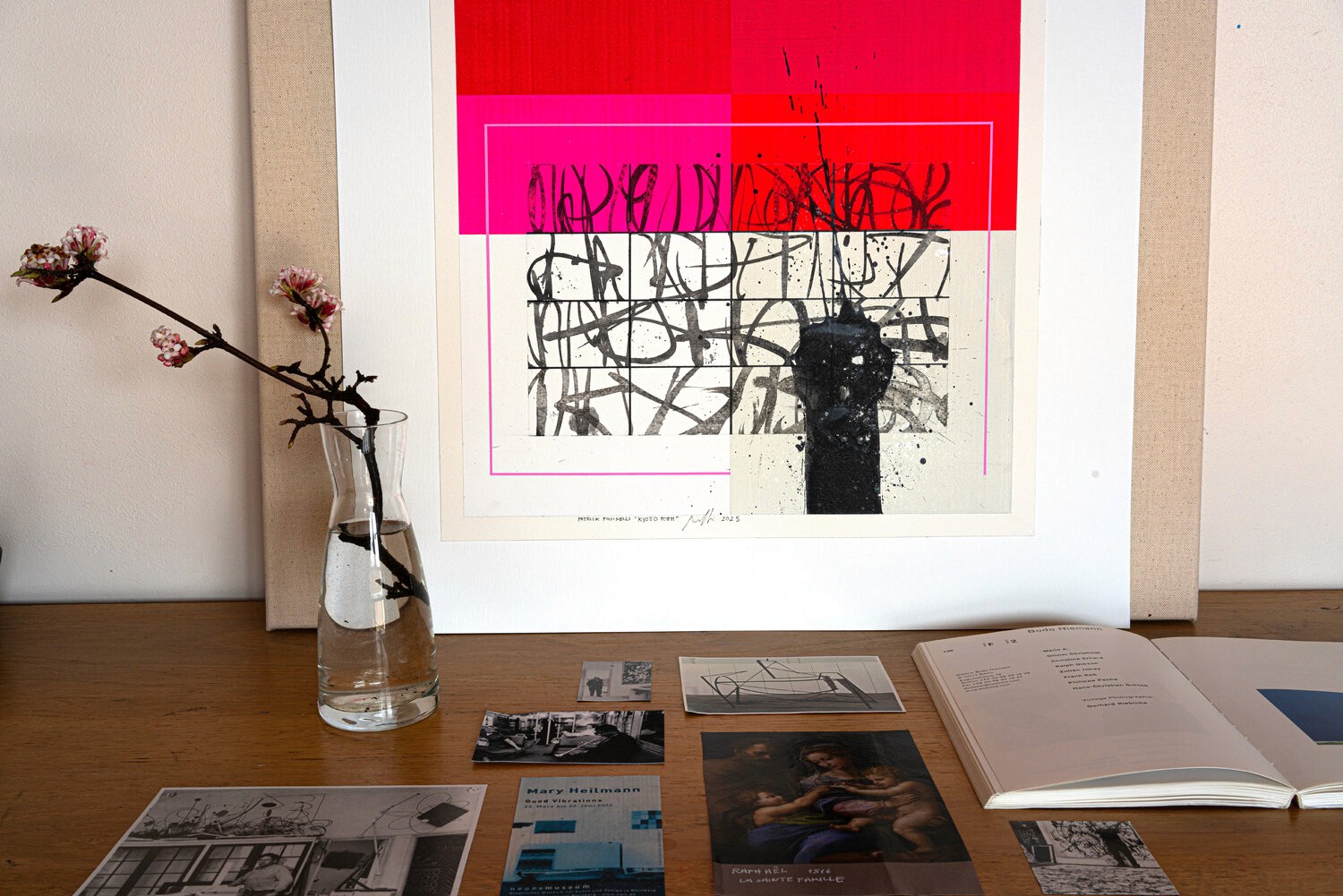
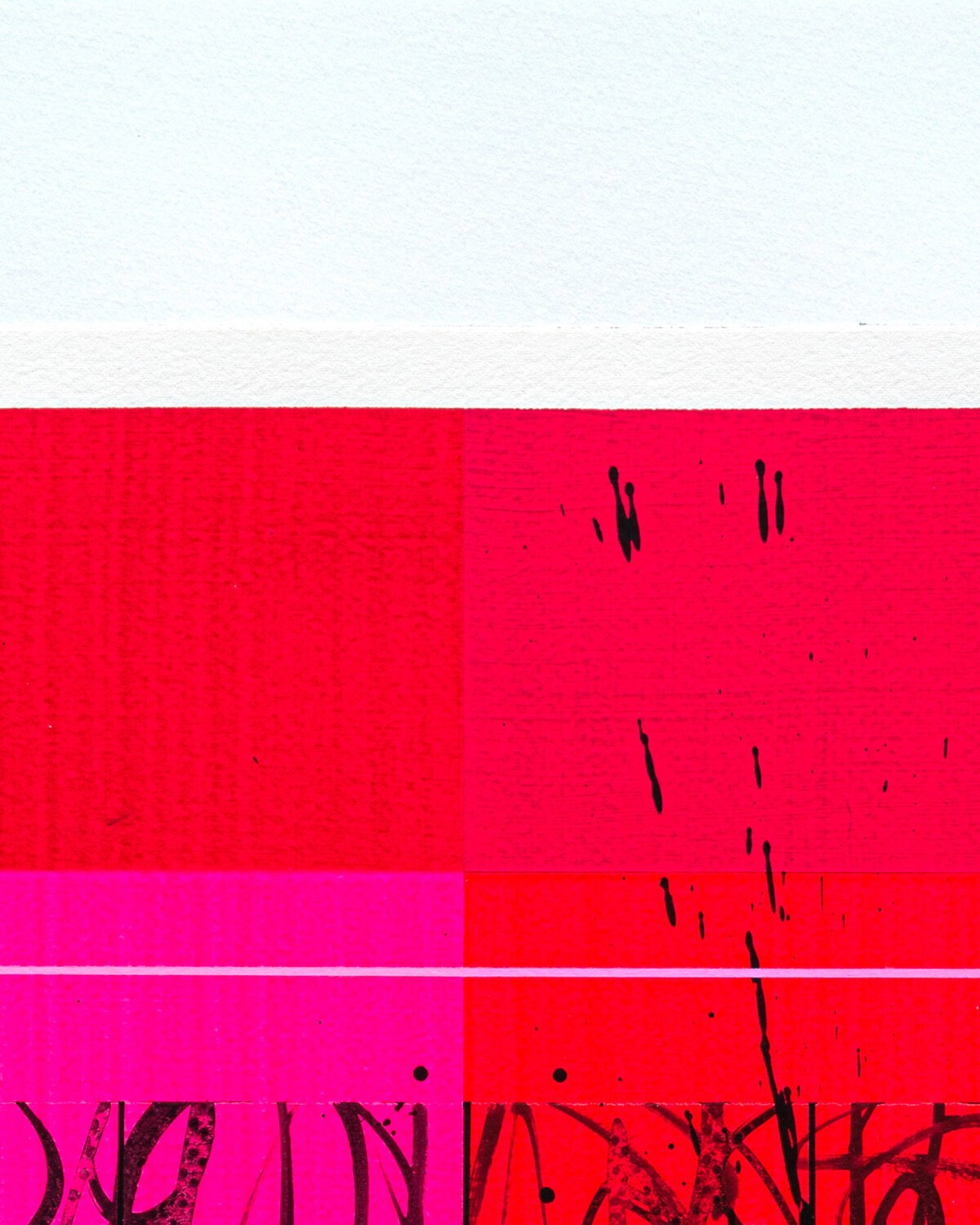
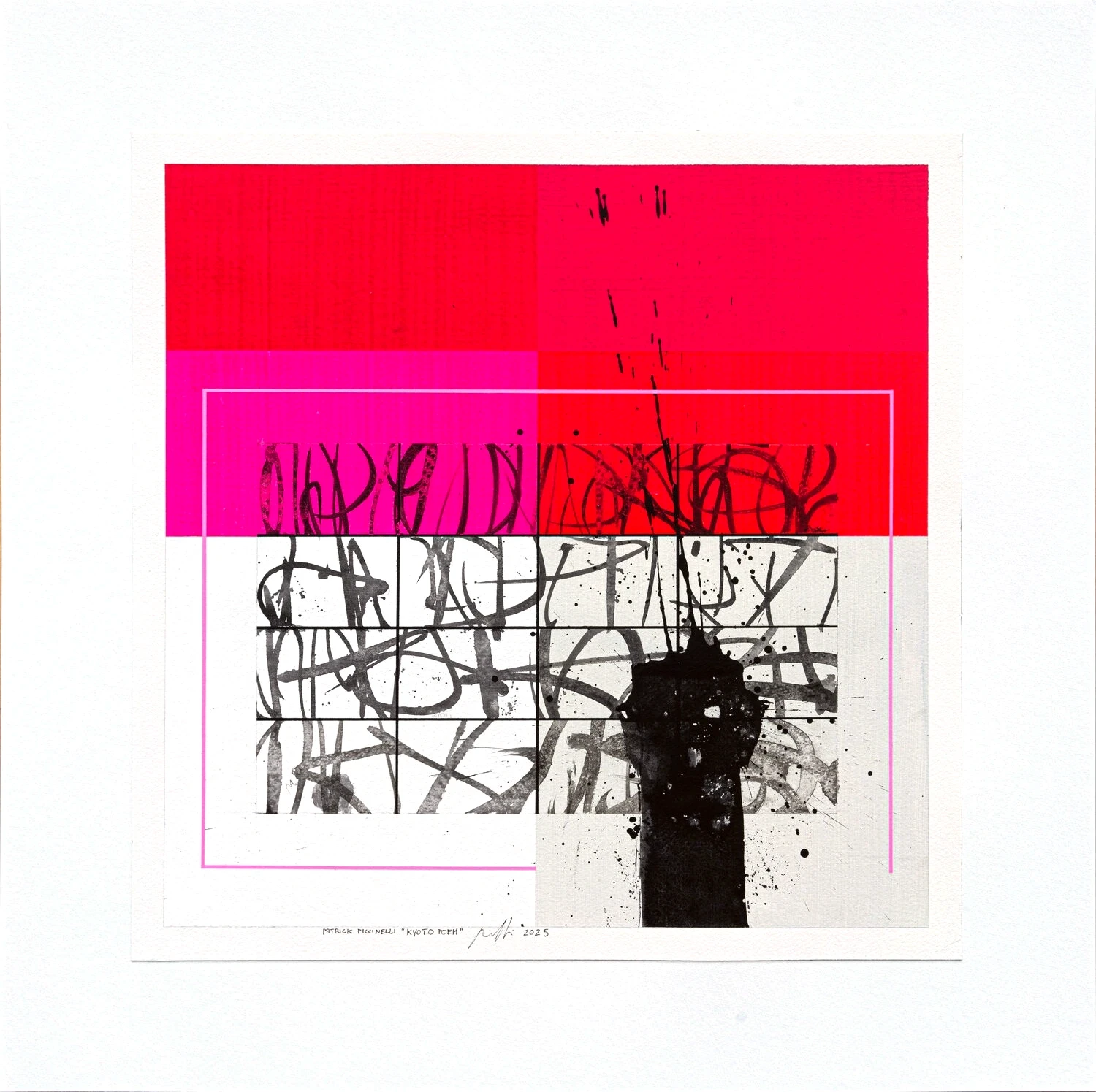
The calligraphic marks—rapid, expressive, almost violent—evoke shodō (書道), the Way of Writing, yet are liberated from all legibility. This is not writing; it is pure gesture, preceding the written word.
A "Kyoto poem" conveys the maximum through the minimum, allowing what remains unsaid to resonate. I translate this visually using calligraphic marks that resemble writing without actually being it; they evoke language without revealing it. The viewer is placed in the position of someone reading an unknown language: perceiving rhythm, gesture, and intention, yet unable to access the meaning.
It is a poem felt before it is understood. And perhaps, it is never understood at all!
The calligraphic marks—rapid, expressive, almost violent—evoke shodō (書道), the Way of Writing, yet are liberated from all legibility. This is not writing; it is pure gesture, preceding the written word.
A "Kyoto poem" conveys the maximum through the minimum, allowing what remains unsaid to resonate. I translate this visually using calligraphic marks that resemble writing without actually being it; they evoke language without revealing it. The viewer is placed in the position of someone reading an unknown language: perceiving rhythm, gesture, and intention, yet unable to access the meaning.
It is a poem felt before it is understood. And perhaps, it is never understood at all!