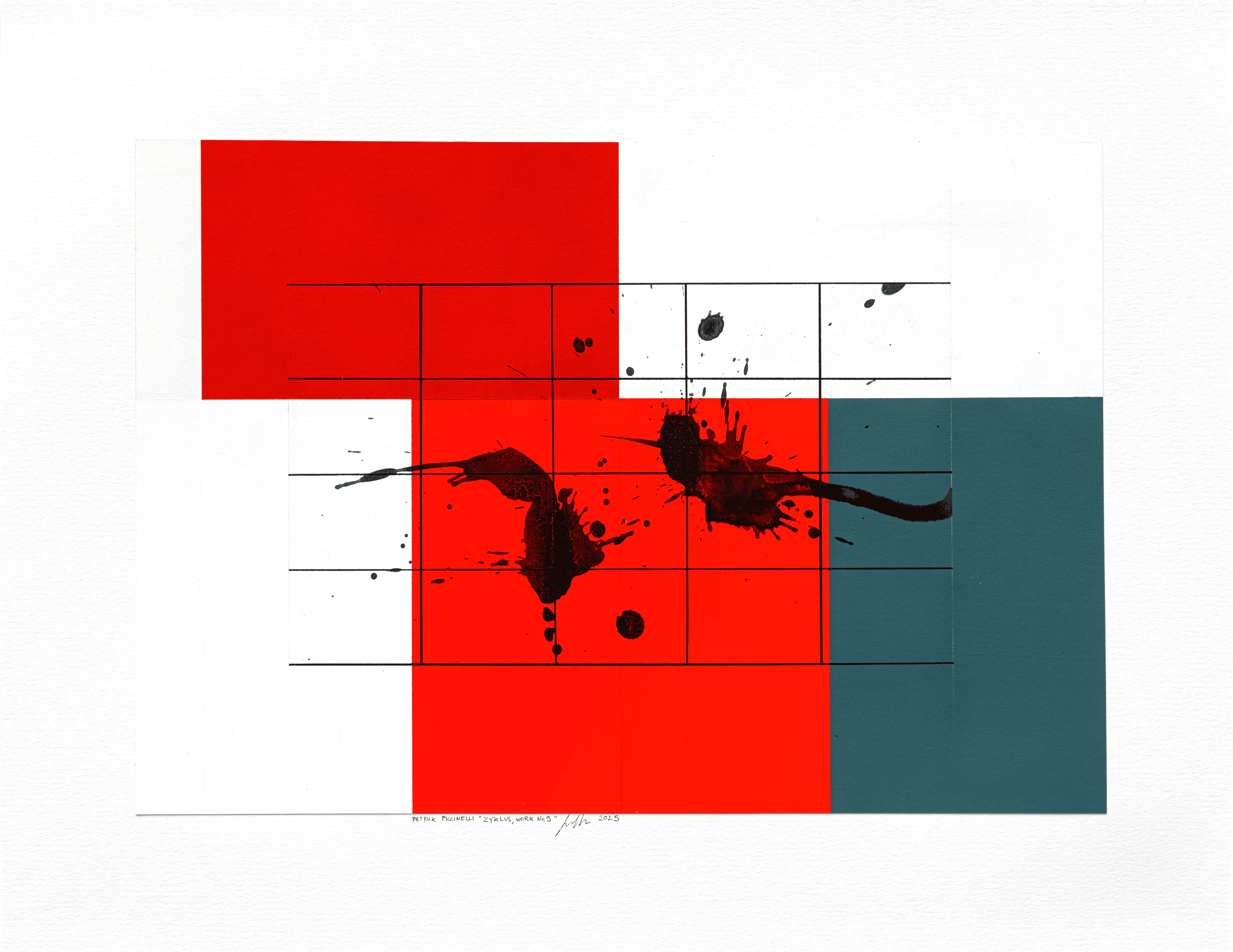
Zyklus, Work No9
,
2025
Patrick Piccinelli
Zyklus, Work No9
2025
acrylic paint, Ink, collage on paper, sold without frame
acrylic paint, Ink, collage on paper, sold without frame
50
X
65
50
X
65
Available
€
1,600
Shipping and import duties included
Shipping and returns
- Shipping
- Packed in a double-wall box or a wooden crate and shipped from Switzerland by DHL Express within 2 to 3 days. Delivery takes 2 to 15 business days; the tracking number comes by email.
- Import duties
- Shipping, customs duties and import taxes are paid by us, for every country. Nothing is due on delivery.
- Returns
- An original painting cannot be returned or exchanged. A parcel lost or damaged in transit is refunded in full or replaced.
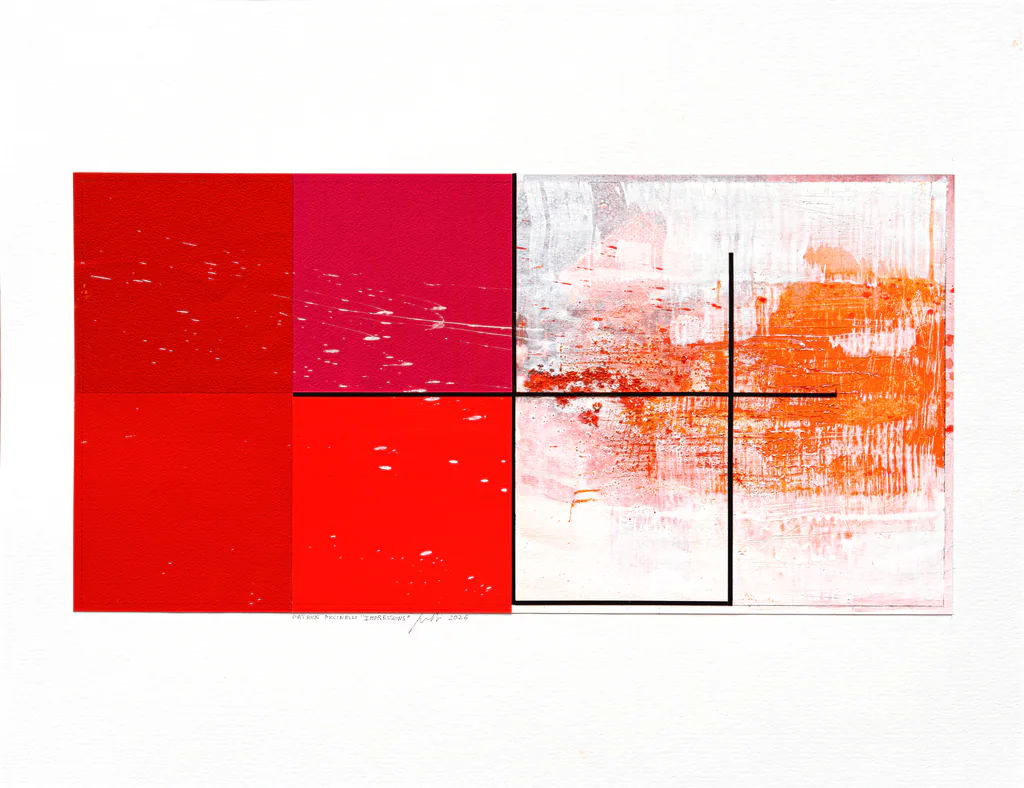
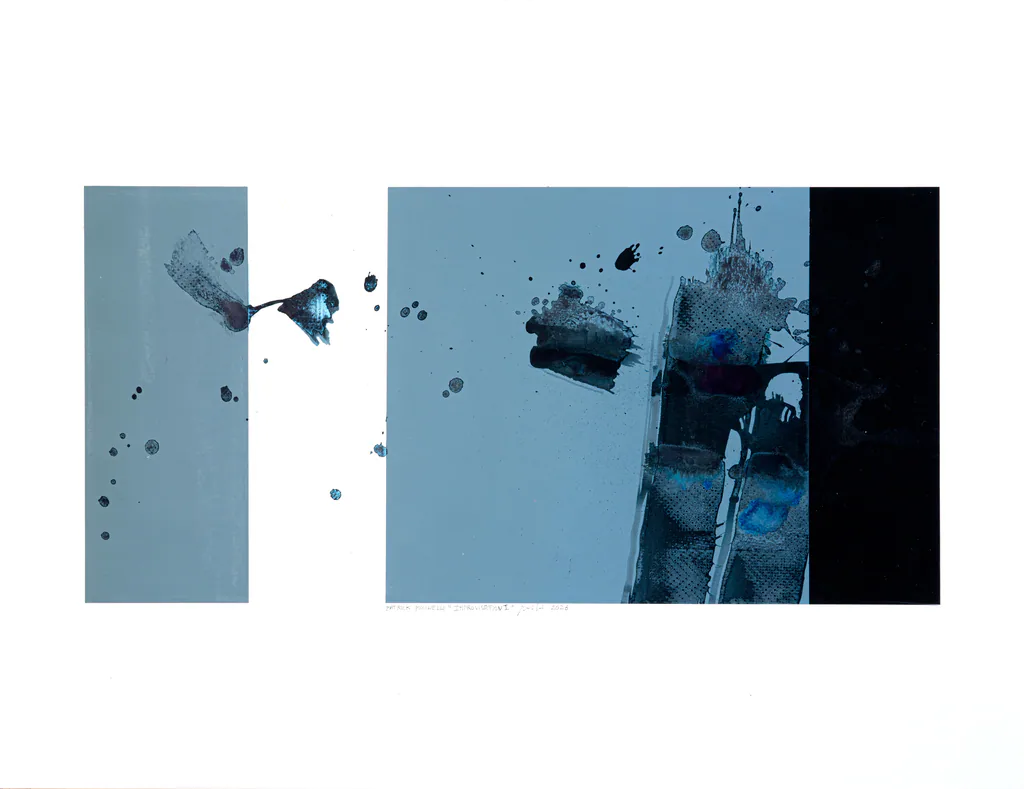
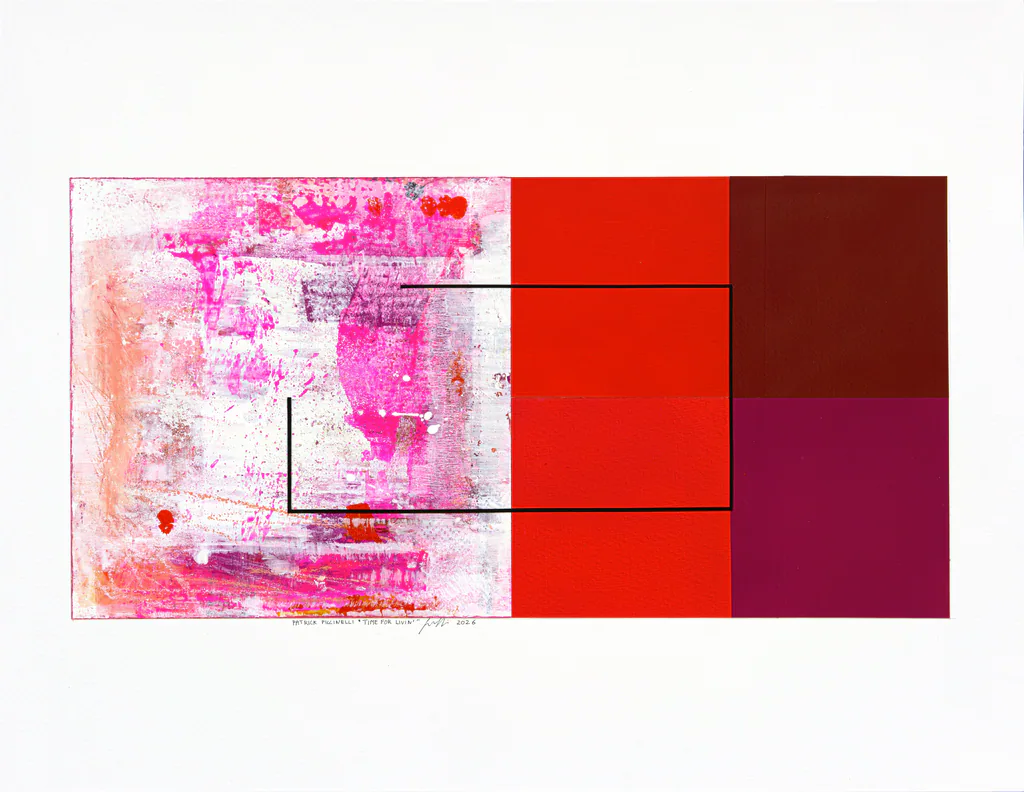
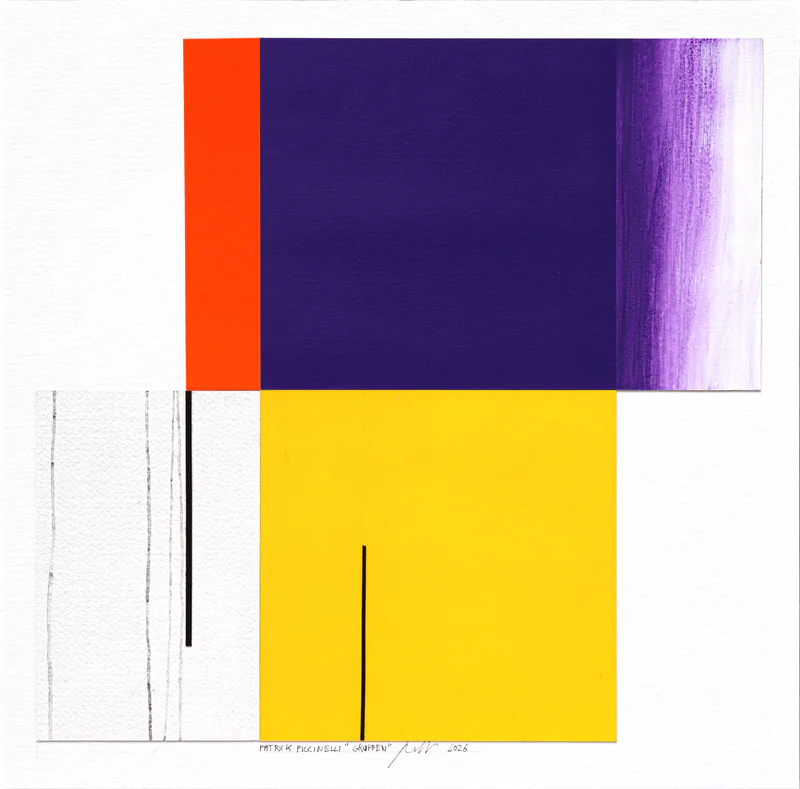
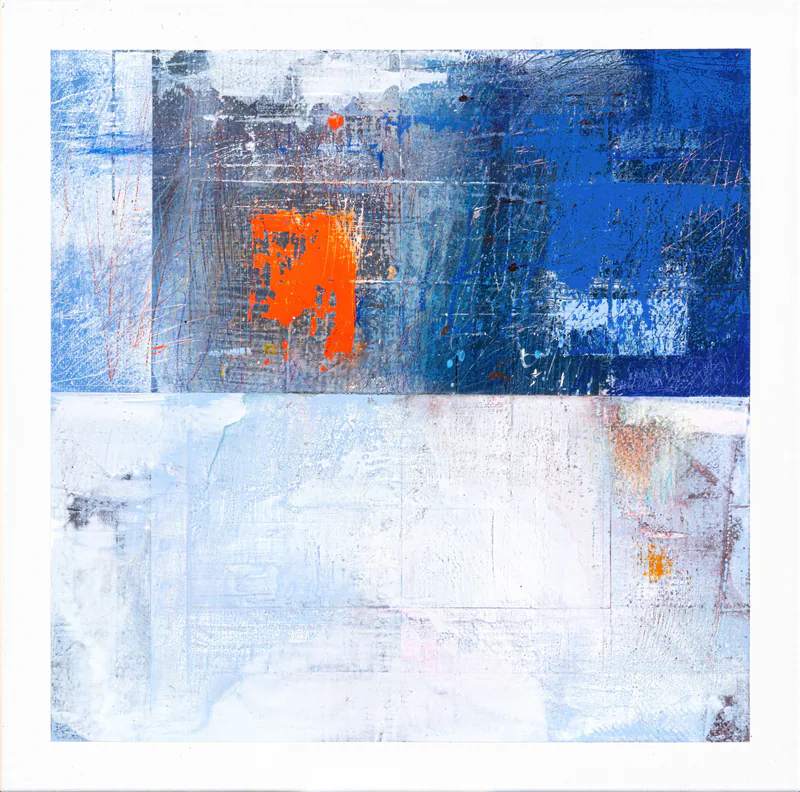
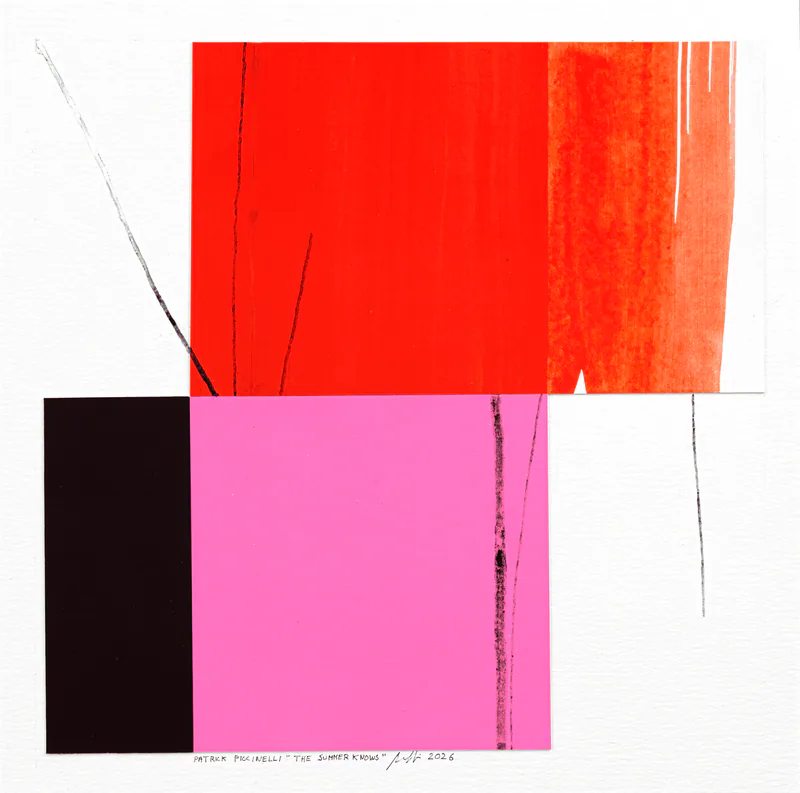
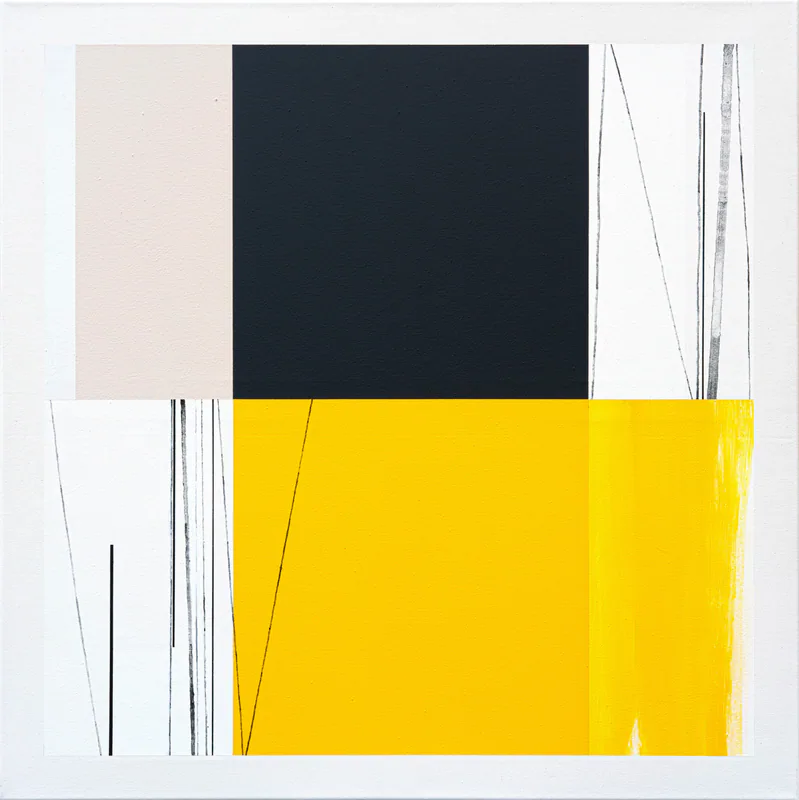
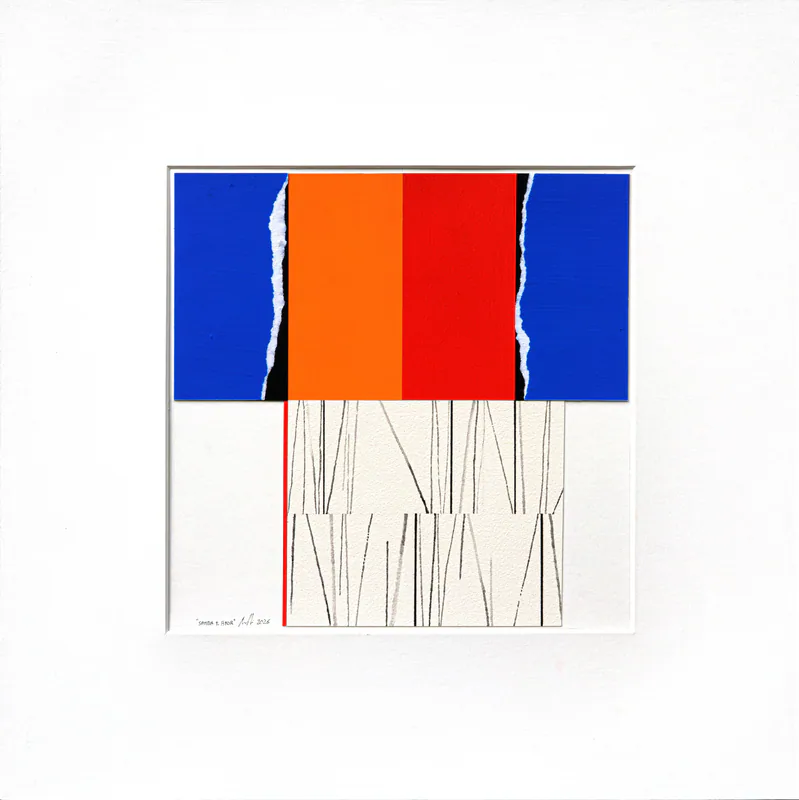
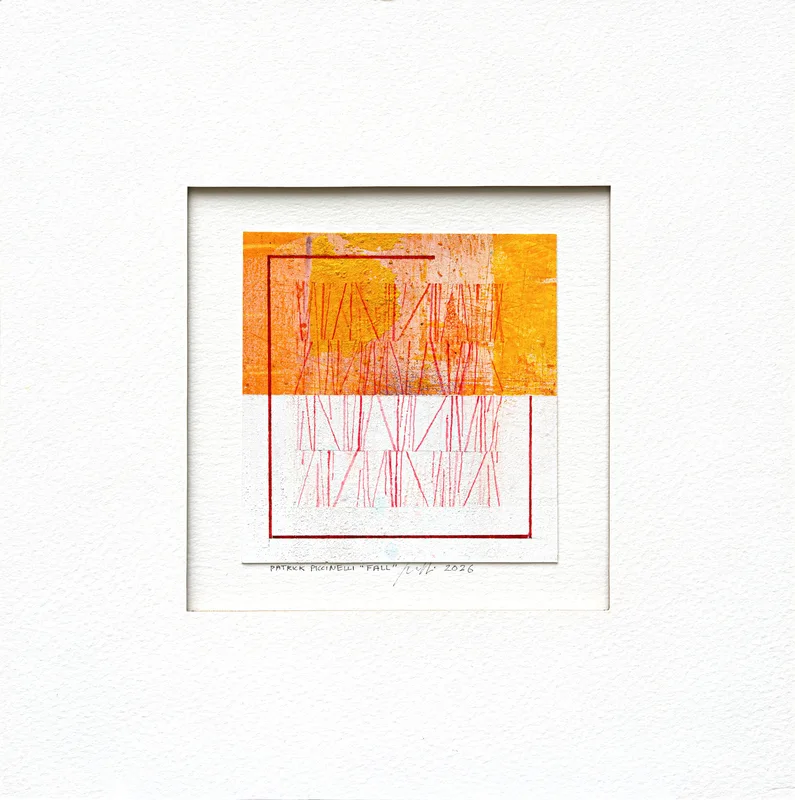
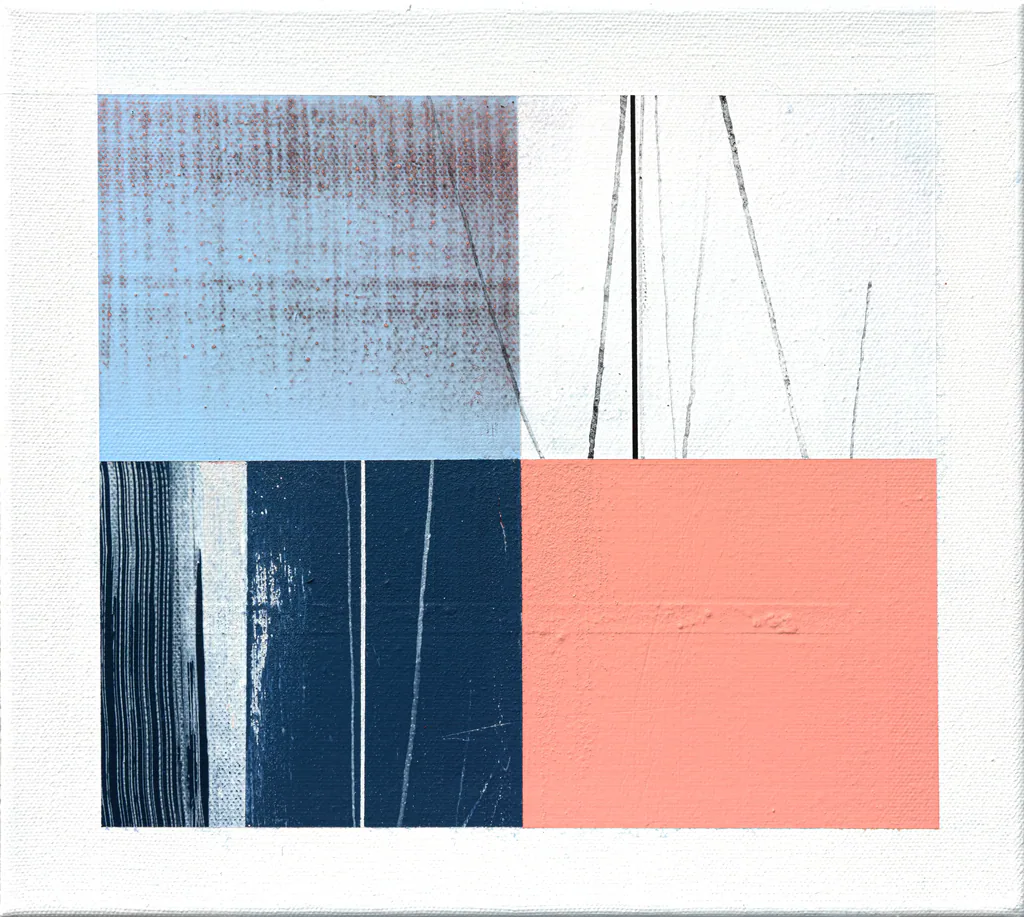
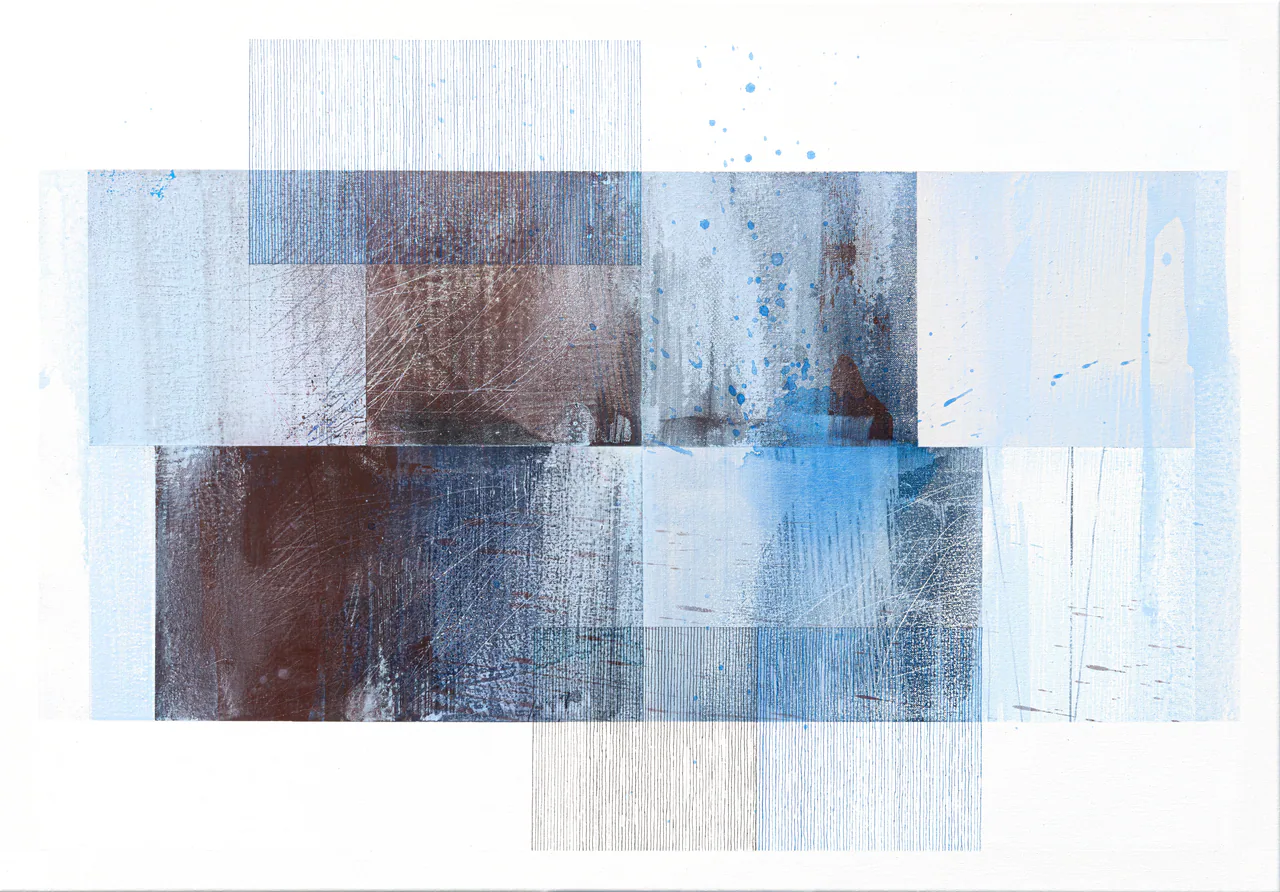
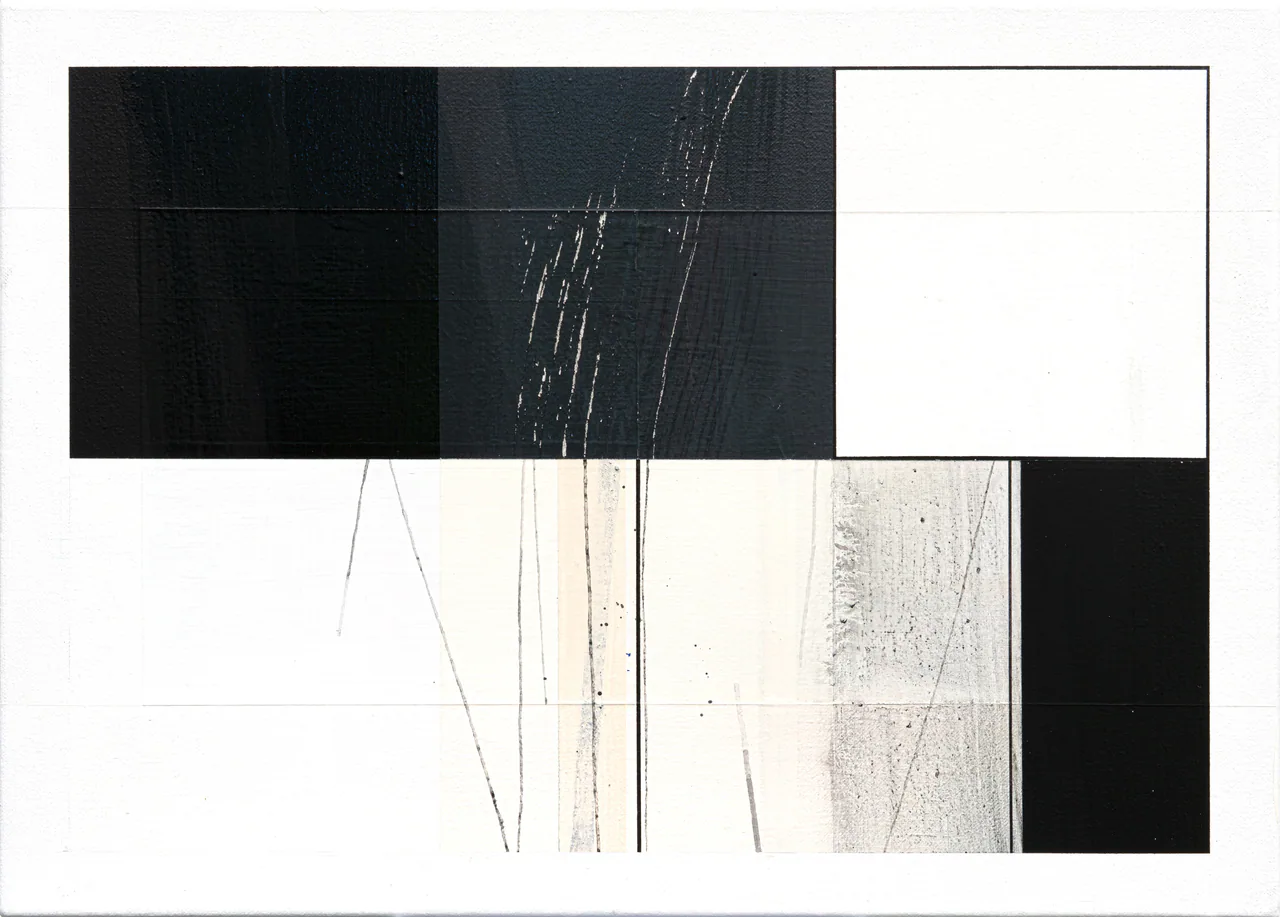
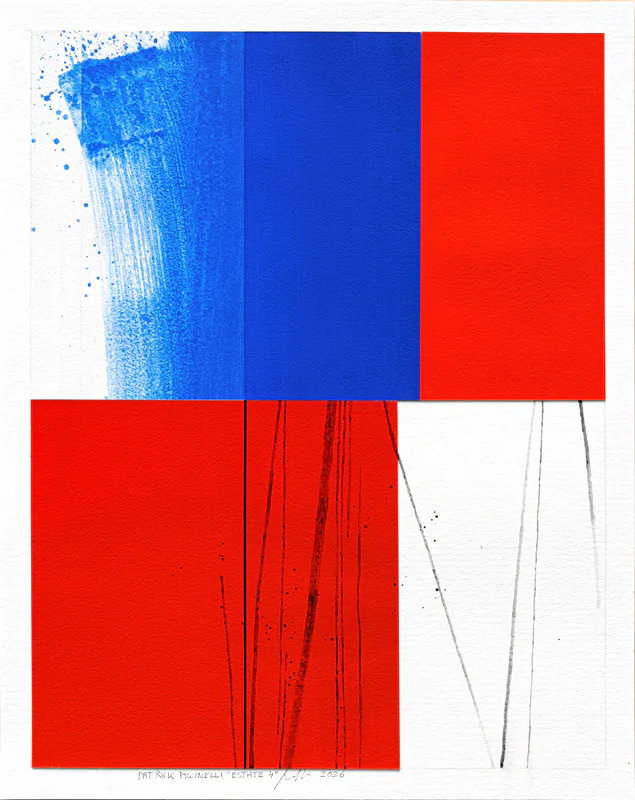
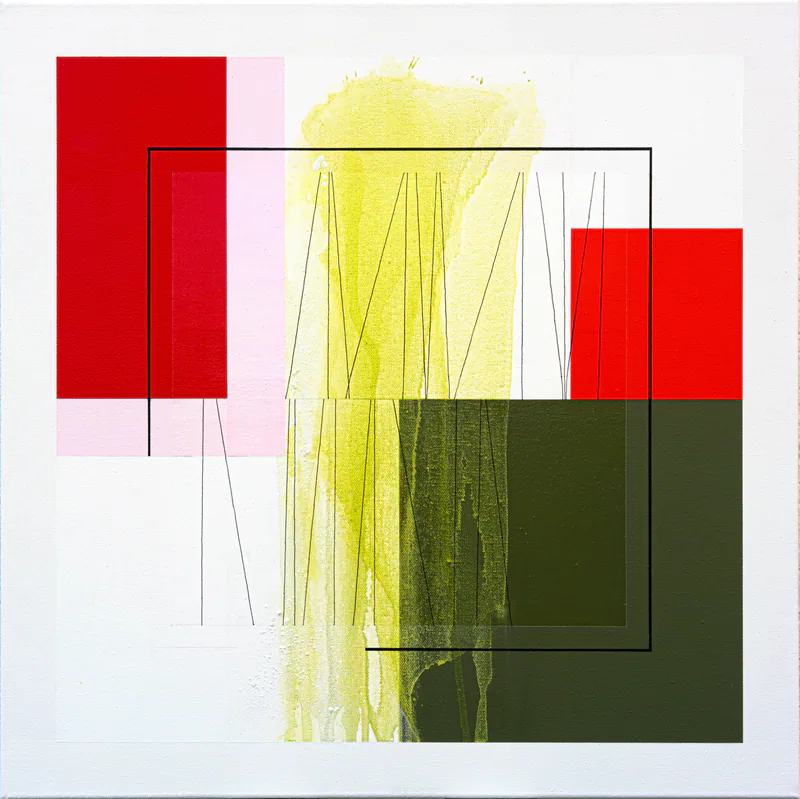
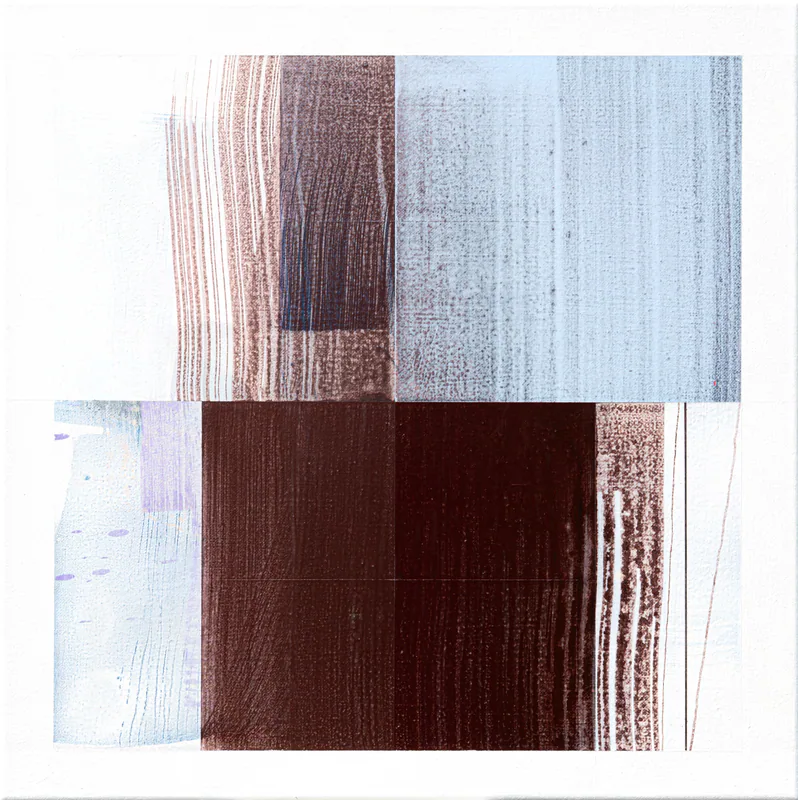
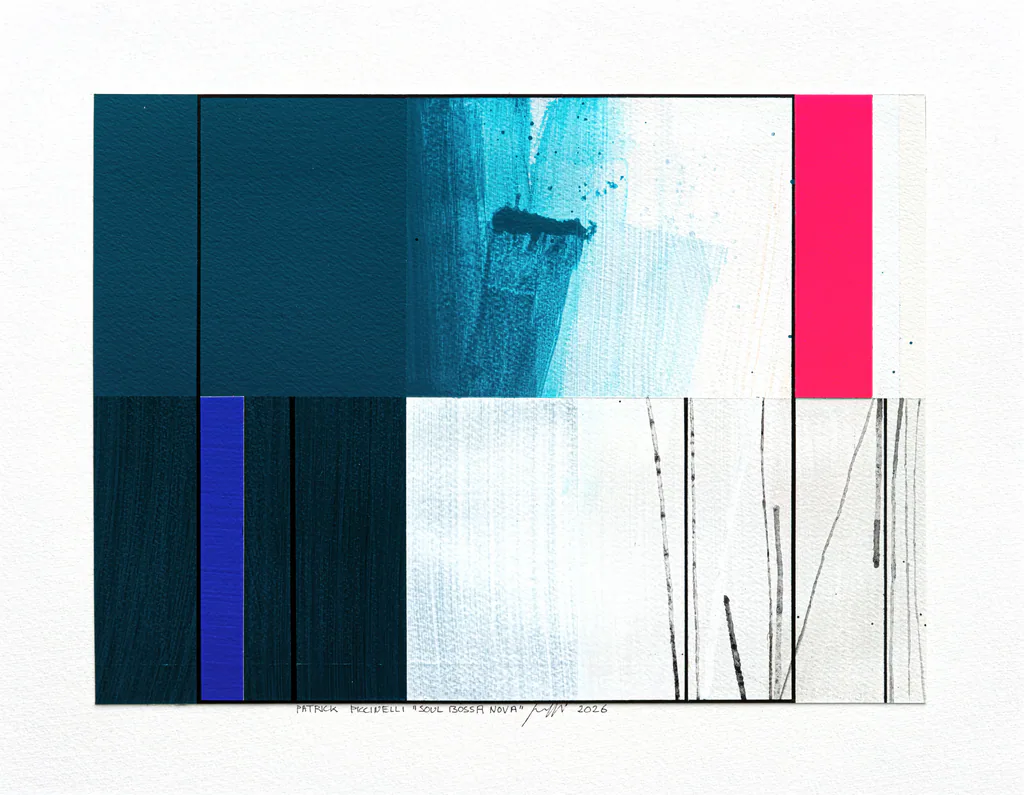
This work is a visual transposition of the compositional principles of Karlheinz Stockhausen, particularly his work "Zyklus" (1959), Work No. 9 for solo percussionist.
Controlled improvisation: The spontaneous, gestural black lines that traverse the geometric composition evoke Stockhausen's graphic notation, which allowed for a degree of interpretation by the musician.
My work references the very essence of the Stockhausenian dialectic between order and chaos. The composition reflects the concept of "open form" (offene Form) so dear to the German composer, where the overall structure is defined but allows for multiple paths of execution. The horizontal black lines that traverse the composition evoke the timelines of the graphic score, creating points of reference within the abstraction.