Icarus
,
2026
Patrick Piccinelli
Icarus
2026
acrylic paint, pigment, varnish
acrylic paint, pigment, varnish
54
54
X
X
45
45
Available
€
2,000
shipping worldwide included
Add to card
Inspired by the musical piece by Ralph Towner and Gary Burton.
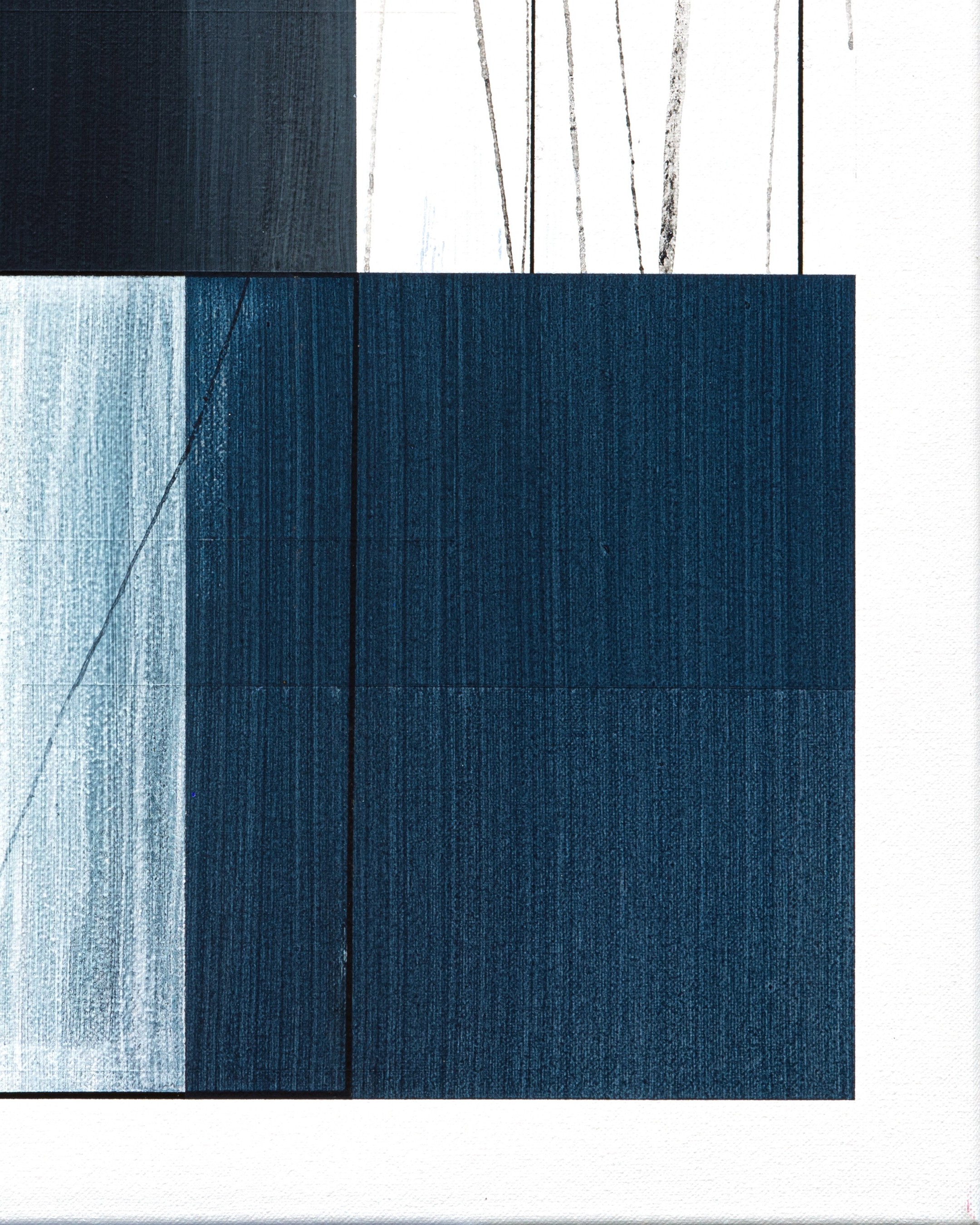
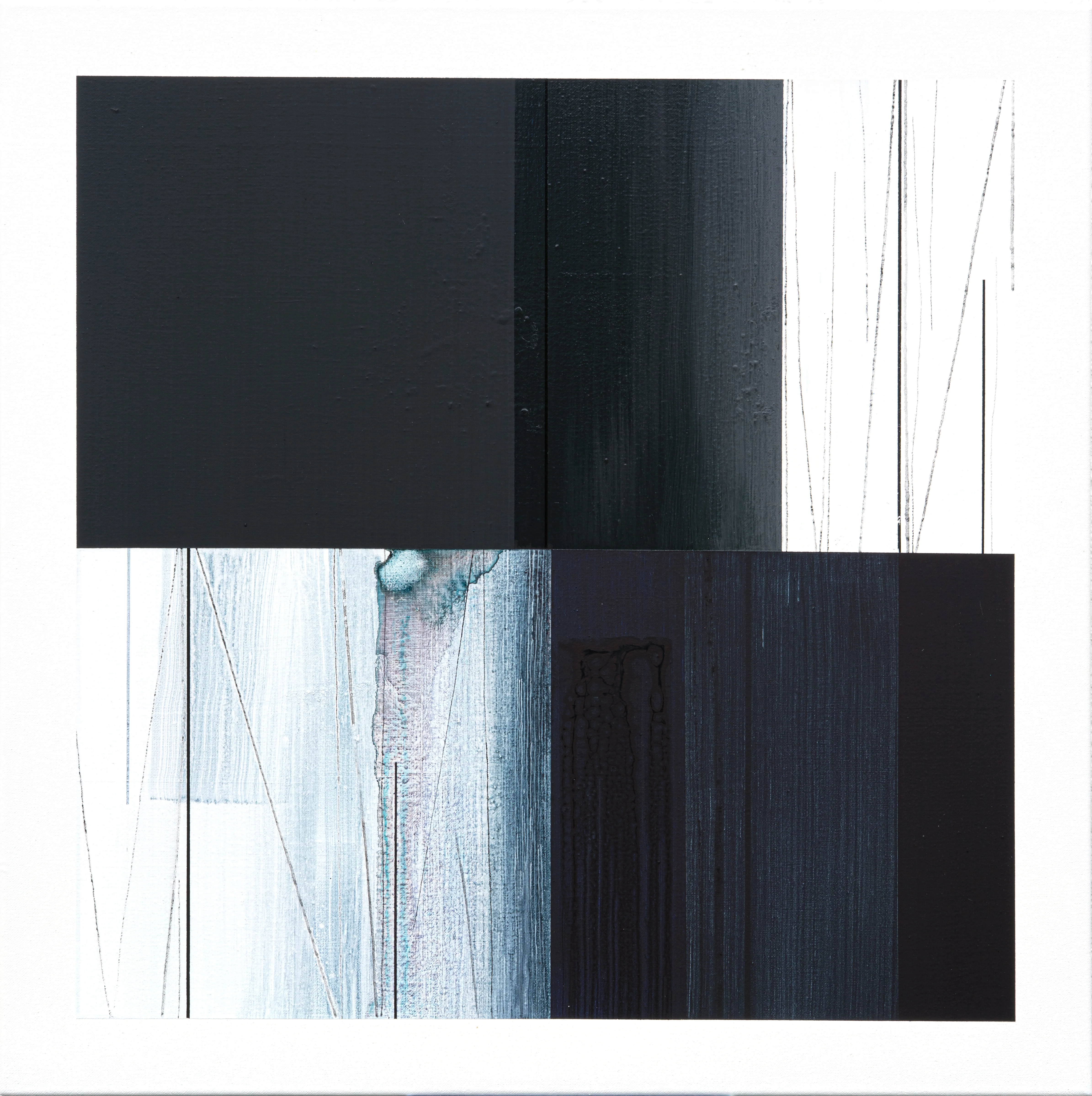
A slender diagonal line cuts across the white rectangle at the bottom, tipping it toward the blue. It is the composition's only truly oblique element, easily read as a trajectory.
The myth of Icarus is defined by verticality: the ascent followed by the fall. The painting enacts this without figures or narrative.
The title invites a connection between the painting and the piece Icarus by Ralph Towner, a guitarist and composer associated with the ECM label.
Structure and freedom: Towner’s music marries composition—rooted in classical guitar and chamber music—with improvisation. Similarly, I contrast the rigor of the rectangles with the spontaneity of the gesture.
An absence of drama: in Towner’s work, Icarus is contemplative rather than tragic. Likewise, the painting does not depict the fall; it leaves the viewer in the space between—between the upward surge and what might follow.
I translate the myth’s dynamics into surfaces, tensions, and silences—much as Towner’s guitar does through time and resonance. In both instances, Icarus represents a state of being: that of a figure rising, and of the light that renders this ascent both desirable and fragile.
Inspired by the musical piece by Ralph Towner and Gary Burton.
A slender diagonal line cuts across the white rectangle at the bottom, tipping it toward the blue. It is the composition's only truly oblique element, easily read as a trajectory.
The myth of Icarus is defined by verticality: the ascent followed by the fall. The painting enacts this without figures or narrative.
The title invites a connection between the painting and the piece Icarus by Ralph Towner, a guitarist and composer associated with the ECM label.
Structure and freedom: Towner’s music marries composition—rooted in classical guitar and chamber music—with improvisation. Similarly, I contrast the rigor of the rectangles with the spontaneity of the gesture.
An absence of drama: in Towner’s work, Icarus is contemplative rather than tragic. Likewise, the painting does not depict the fall; it leaves the viewer in the space between—between the upward surge and what might follow.
I translate the myth’s dynamics into surfaces, tensions, and silences—much as Towner’s guitar does through time and resonance. In both instances, Icarus represents a state of being: that of a figure rising, and of the light that renders this ascent both desirable and fragile.