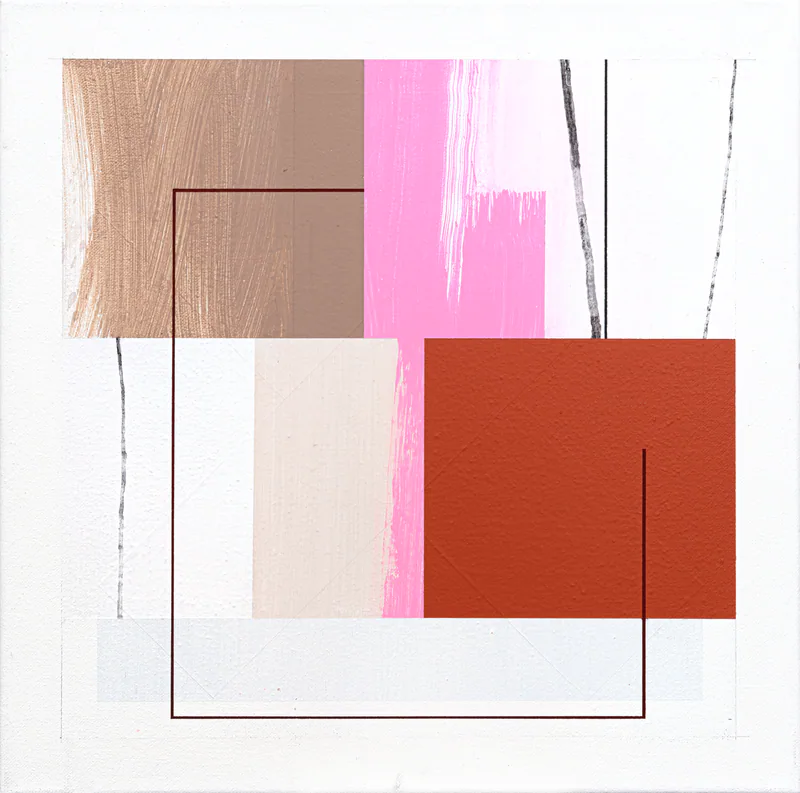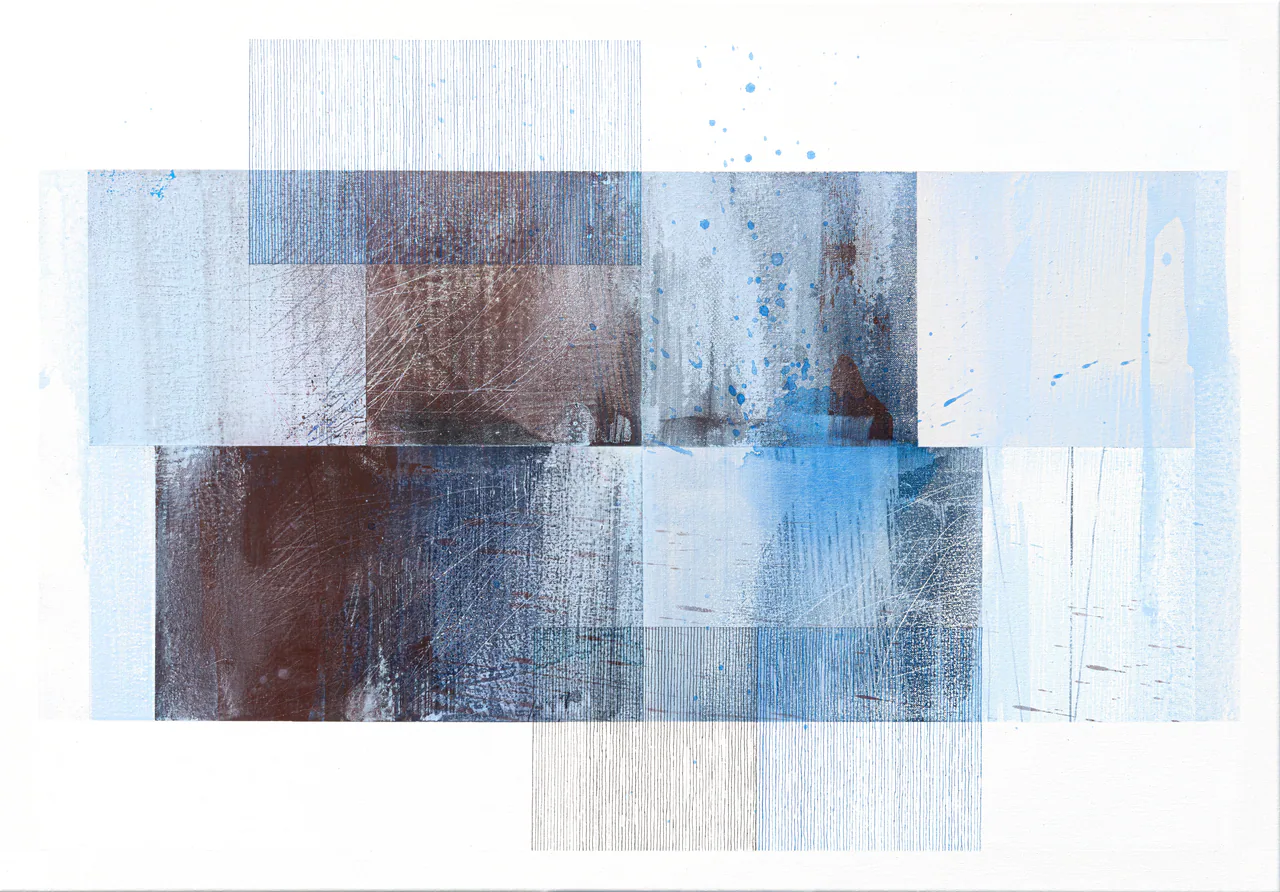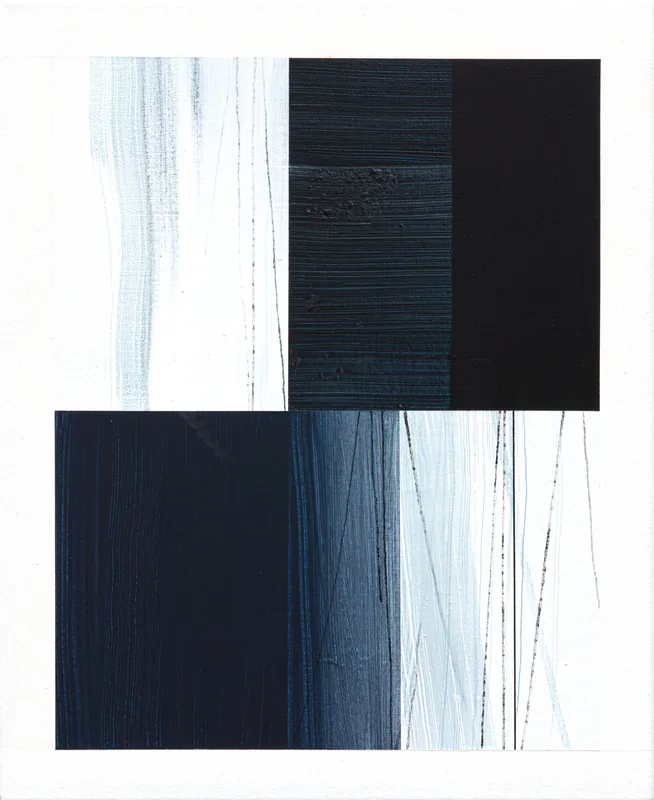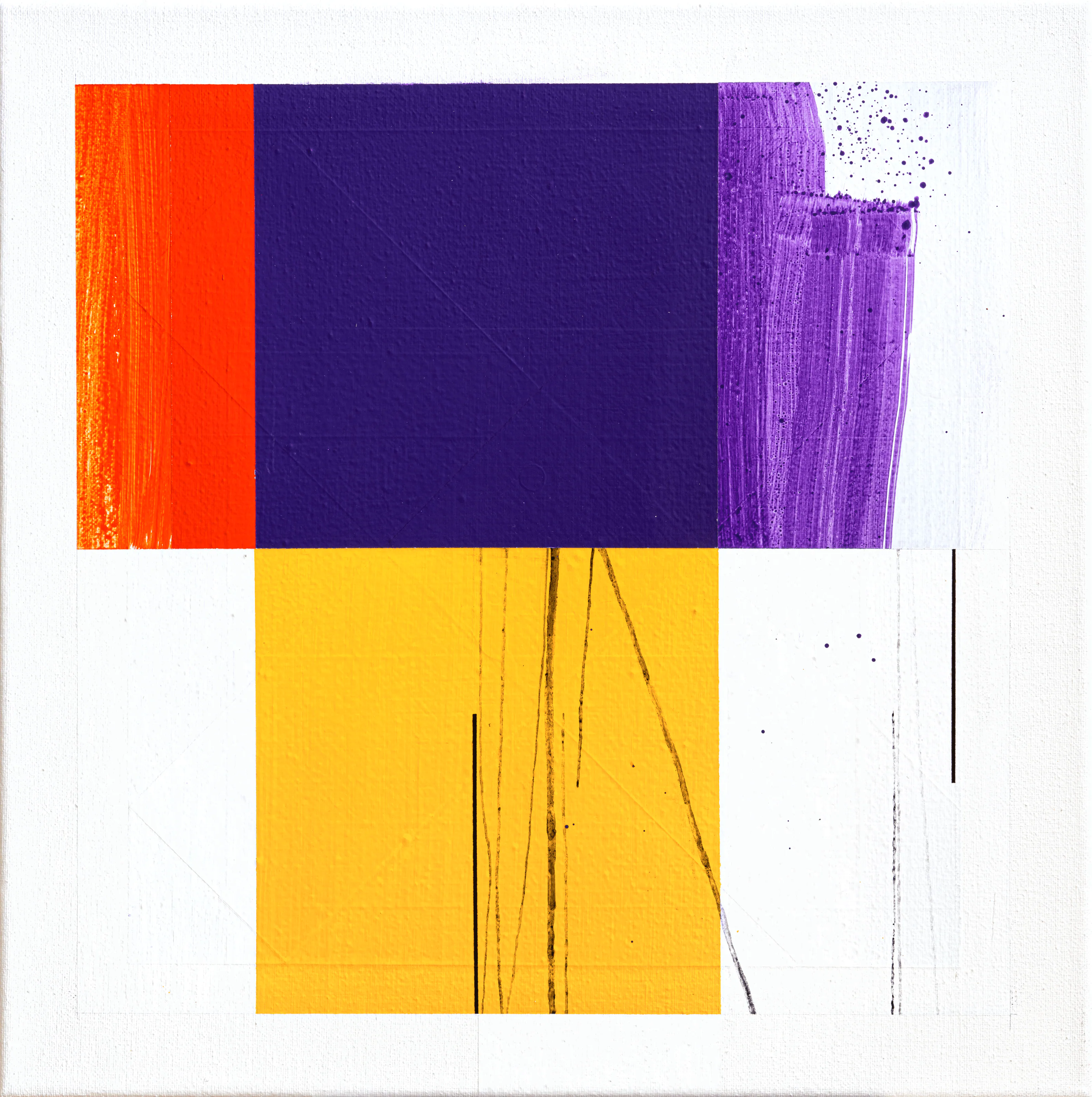
Gruppen 2
,
2026
Patrick Piccinelli
Gruppen 2
2026
acrylic paint, pigment, varnish on canvas
acrylic paint, pigment, varnish on canvas
40
X
40
40
X
40
On exhibition
€
1,600
Shipping and import duties included
Shipping and returns
- Shipping
- Packed in a double-wall box or a wooden crate and shipped from Switzerland by DHL Express within 2 to 3 days. Delivery takes 2 to 15 business days; the tracking number comes by email.
- Import duties
- Shipping, customs duties and import taxes are paid by us, for every country. Nothing is due on delivery.
- Returns
- An original painting cannot be returned or exchanged. A parcel lost or damaged in transit is refunded in full or replaced.
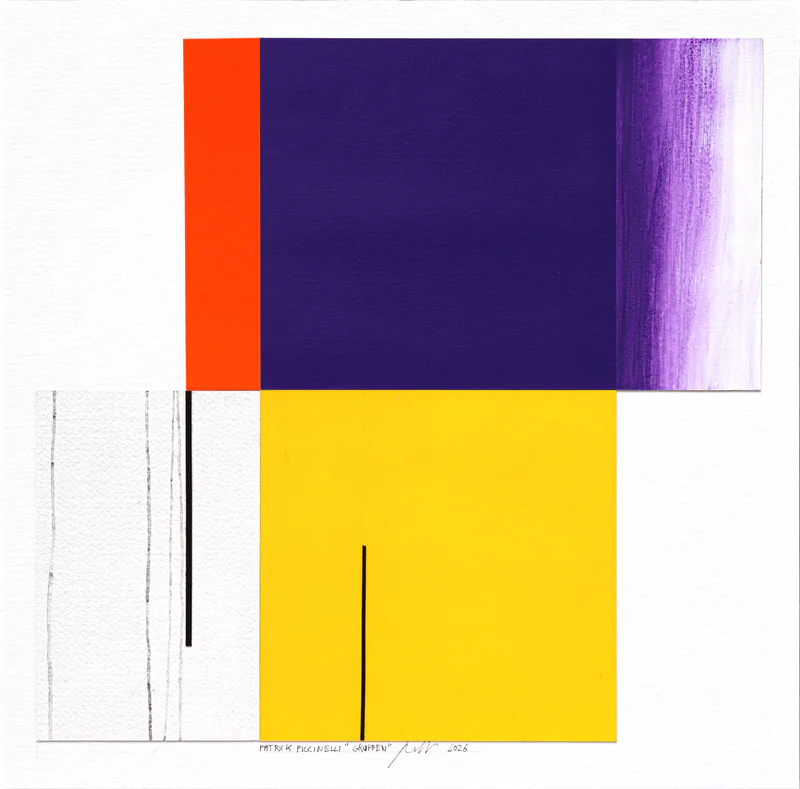
"Gruppen," acrylic paint, collage, pigment, varnish.
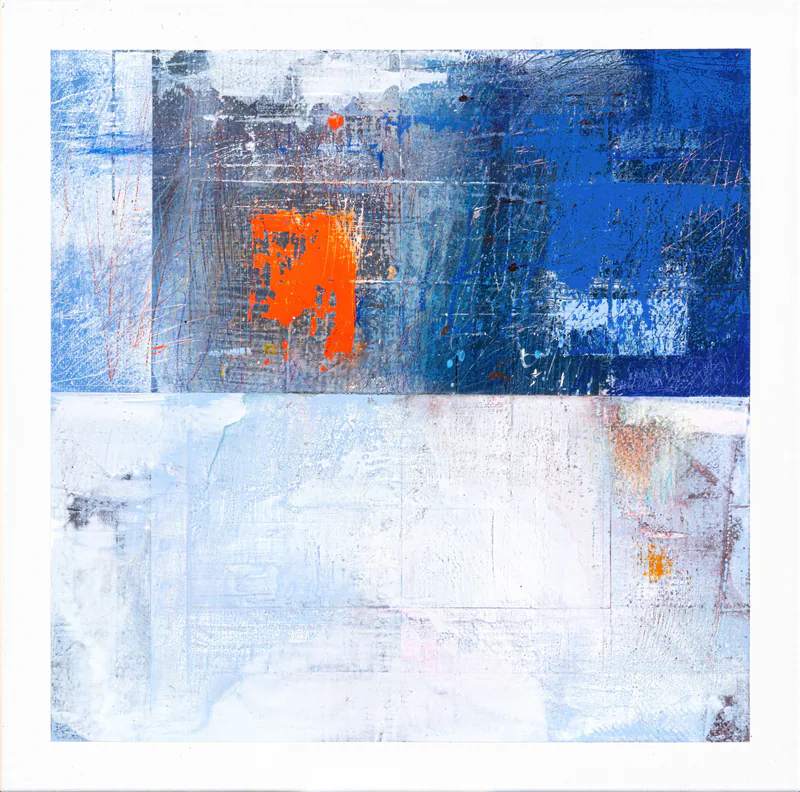
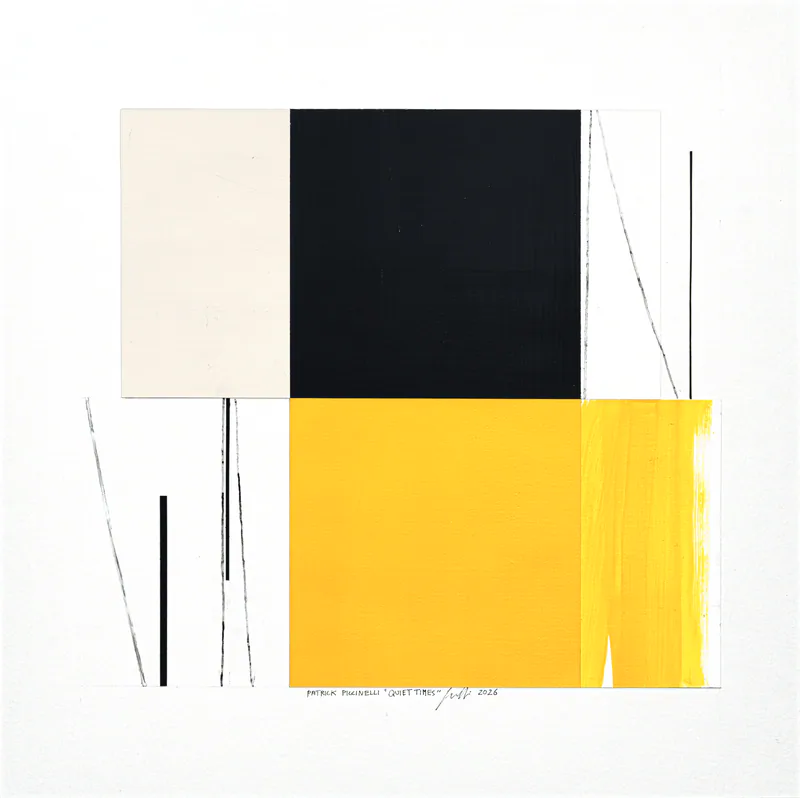
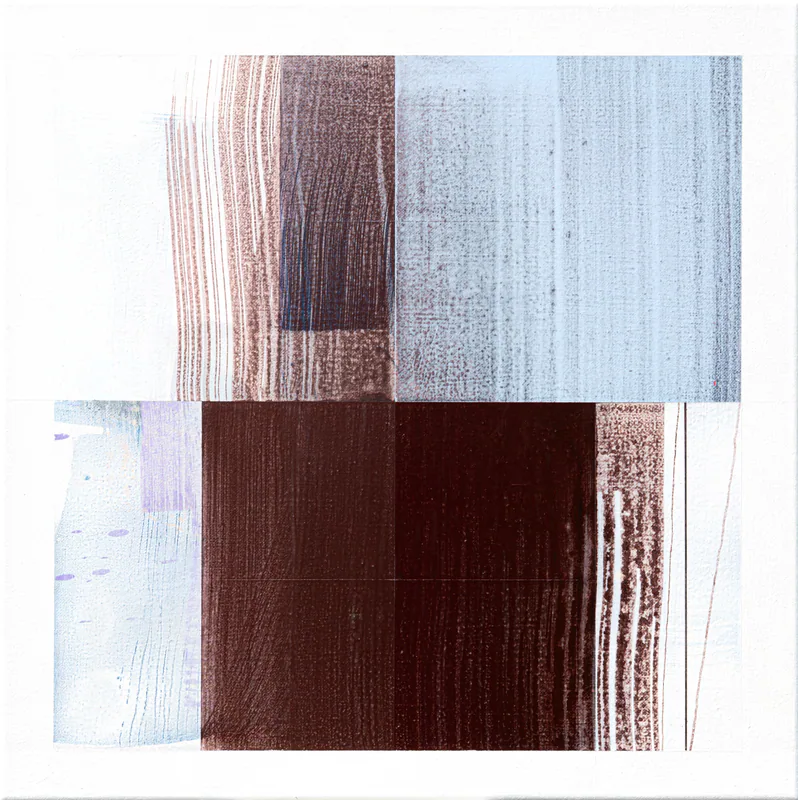
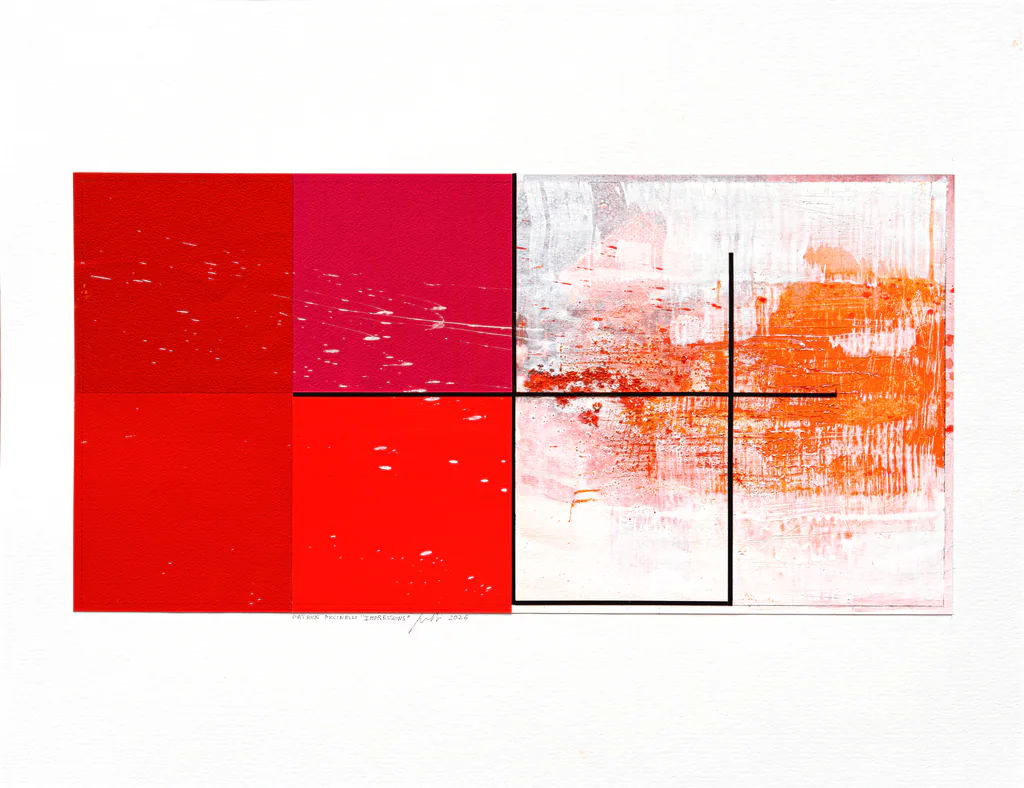
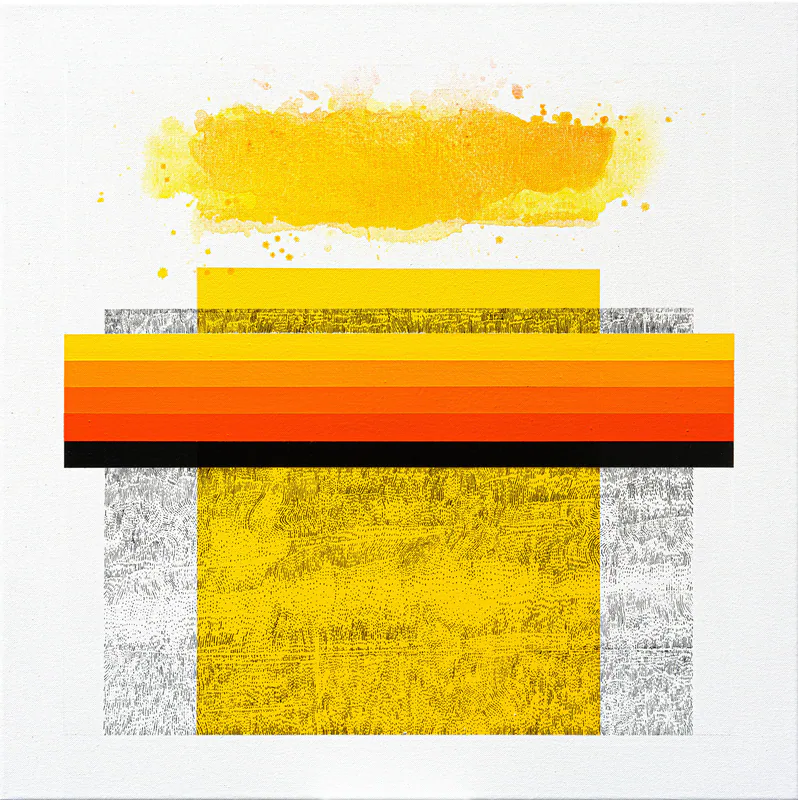
This work bears a title that is not without significance: Gruppen (2026) explicitly engages in dialogue with Karlheinz Stockhausen's monumental piece Gruppen für drei Orchester (1955–57), one of the foundational works of 20th-century post-serial music. The correspondences are profound and structural.
Stockhausen serializes everything: pitches, durations, timbres, intensities. The work is constructed from 126 sequences organized into a rigorous tableau, a mathematical architecture of absolute precision, in which the listener nevertheless perceives only movement, energy, life.
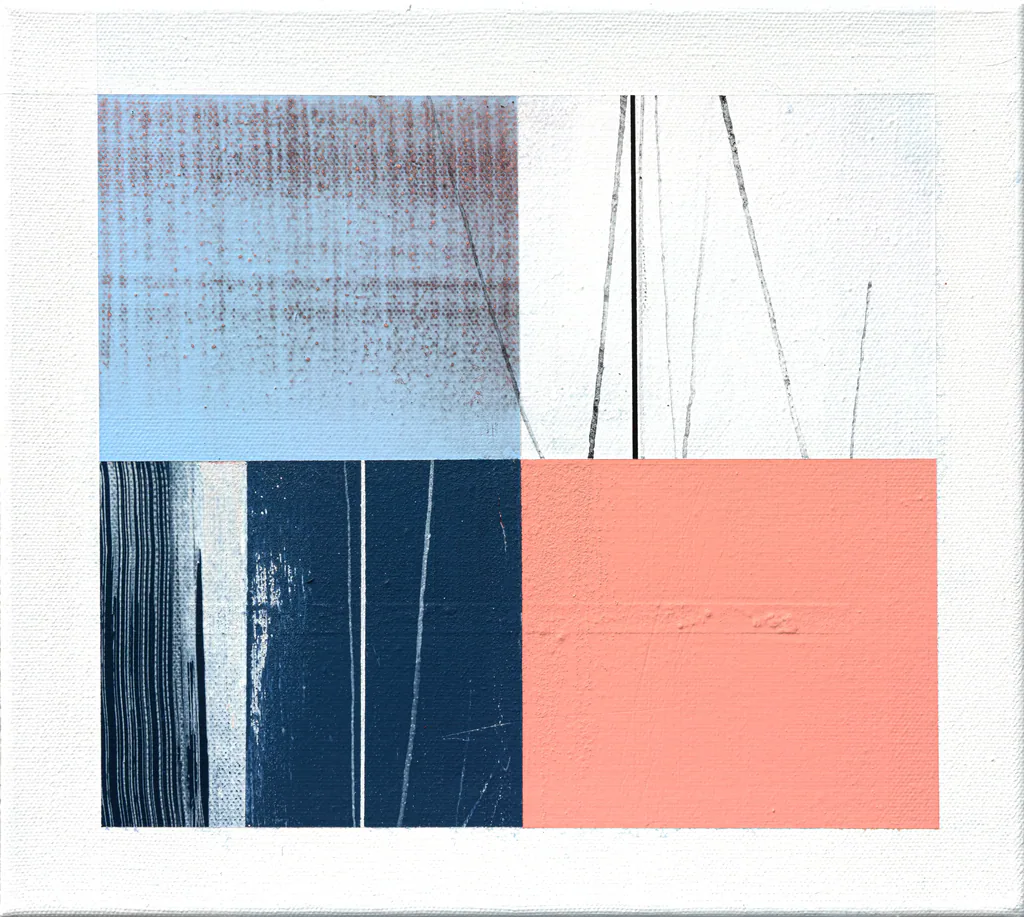
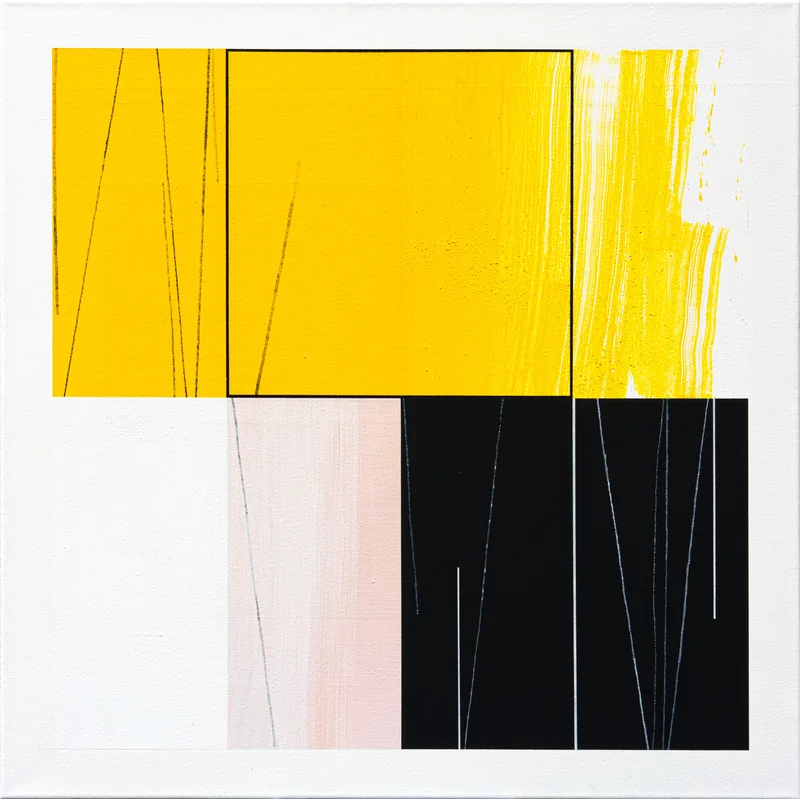
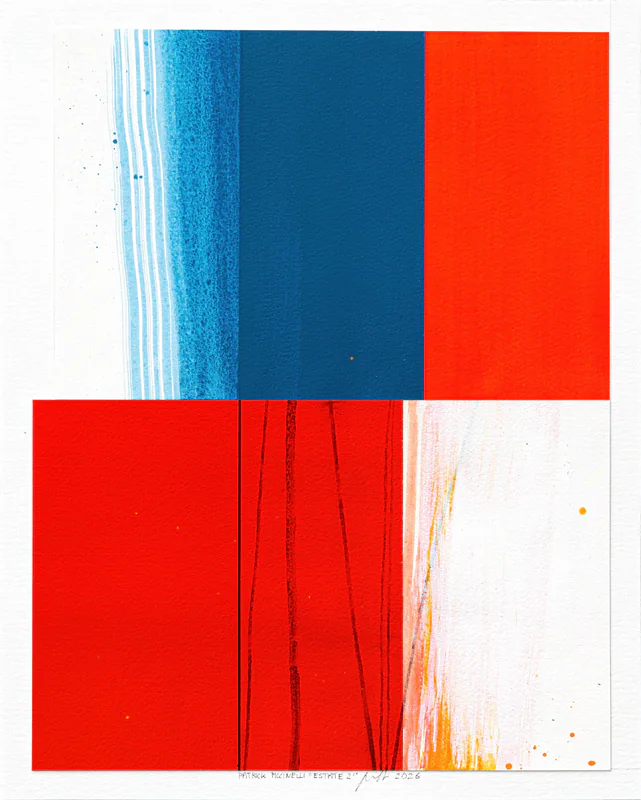
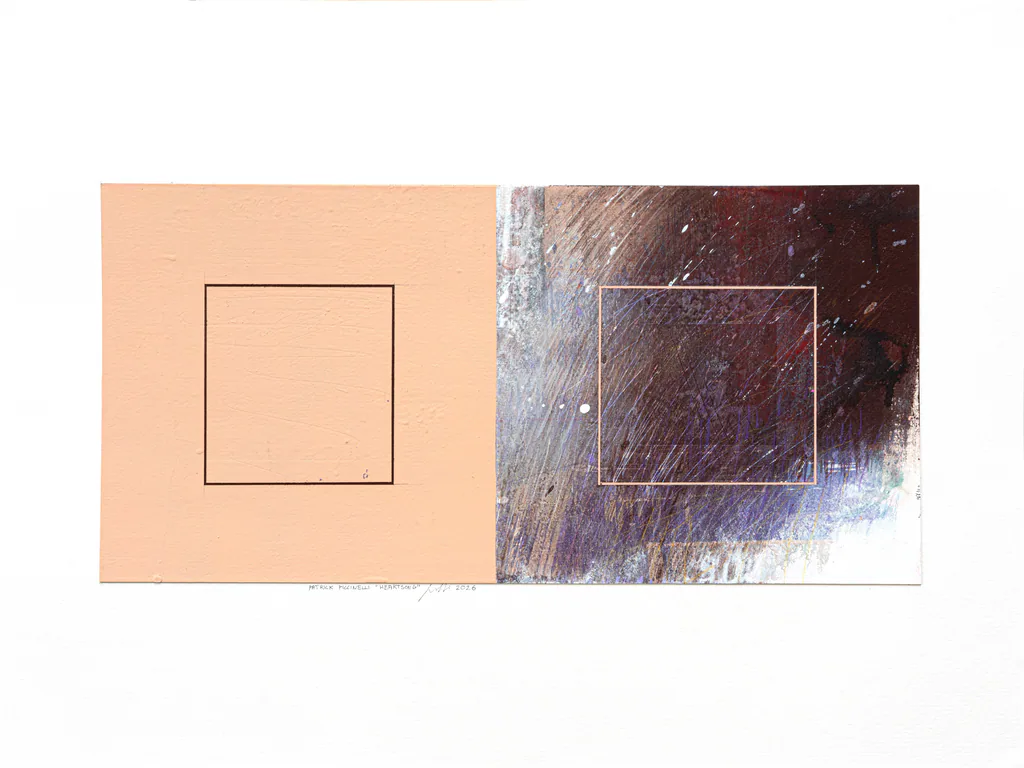
I proceed in the same way with geometry. The rectangles fit together according to strict proportions. The three pictorial parameters—color, gesture, line—are distributed in space like the terms of a series: each appears only once in its pure form, but their interactions generate a richness that the rule alone could not have predicted. The vertical black line in the yellow is the accident that breaks the series—just as Stockhausen introduces tempo changes between orchestras.